Temple Aaron tells Trinidad's Jewish immigrant history, civic influence
Temple Aaron is a living record of Trinidad’s Jewish immigrant community and civic reach. Its preservation still draws visitors and anchors South Maple Street.
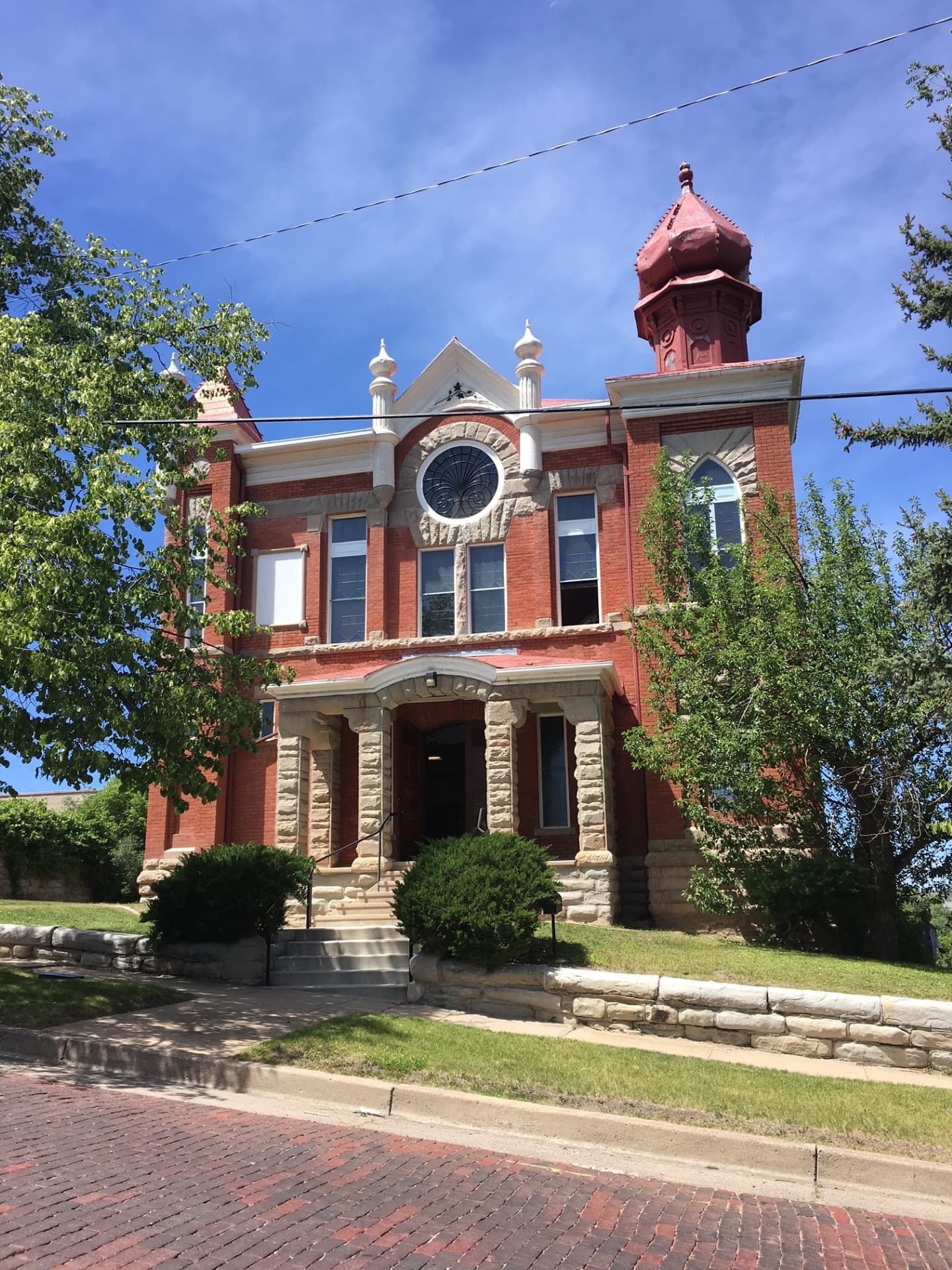
Temple Aaron still stands on South Maple Street as more than a preserved synagogue. It is one of Trinidad’s clearest markers of how Jewish immigrants settled, built businesses, entered public life, and helped shape Las Animas County’s civic identity.
A landmark tied to Trinidad’s growth
The National Park Service identifies Temple Aaron as the second-oldest known synagogue in continuous use in its original location west of the Mississippi River. That distinction matters locally because the building is not an isolated artifact. It is tied to the same boomtown forces that built Trinidad itself, from the Santa Fe Trail to railroads and extractive industries including coal, coke, iron, brick, quarrying, smelting, and cattle ranching.
Jewish settlers began arriving in Trinidad in the 1870s, the congregation formed in 1883, and the building was completed in 1889. Those dates place Temple Aaron squarely inside the period when Trinidad was turning into a regional hub, and they show how quickly immigrant families moved from arrival to institution-building. The synagogue became part of a city that was still being assembled, block by block and institution by institution.
The people who turned settlement into influence
Temple Aaron’s significance is not only architectural. It also reflects the outsized role Jewish residents played in Trinidad’s civic life. The National Park Service names Maurice Wise as the first permanent Jewish resident, a reminder that the community’s footprint began with individual households before it became a congregation and then a landmark.
Samuel Jaffa is one of the most important names in that story. He became Trinidad’s first mayor in 1876, and he and his brother Solomon also helped build the opera house while taking on broader civic leadership roles. That history gives Temple Aaron a broader meaning for Las Animas County residents: it shows how a minority community was woven into the town’s public institutions, commercial networks, and architectural life rather than existing at the margins of it.

That kind of civic visibility still matters. In a county where heritage tourism can easily flatten the past into a single pioneer narrative, Temple Aaron shows a more accurate picture of Trinidad’s development, one in which Jewish immigrants were present early, active in public leadership, and invested in the town’s built environment.
Architecture that still signals a distinct place
The building itself reinforces that story. Visit Trinidad describes Temple Aaron as a Bulger & Rapp design in the Moorish Revival style, with an onion dome, minarets, and brightly colored stained glass. Those details make it easy to recognize and hard to mistake for anything else on South Maple Street.
Its design is part of its public value today. The building is not just a place of worship from a previous century. It is a visible piece of Trinidad’s streetscape that helps visitors read the town’s past in a single structure. The fact that it was designated a National Historic Landmark in 2023 adds another layer of protection and recognition, and it signals that the site is understood as important well beyond county lines.
Why preservation has present-day value
Temple Aaron’s current relevance comes from access as much as age. Visit Trinidad says the building continues to welcome residents and visitors from Colorado’s Front Range and northern New Mexico, which means the site still functions as an active destination rather than a closed relic. That steady visibility gives Trinidad a preserved landmark that can support local identity and draw outside attention at the same time.
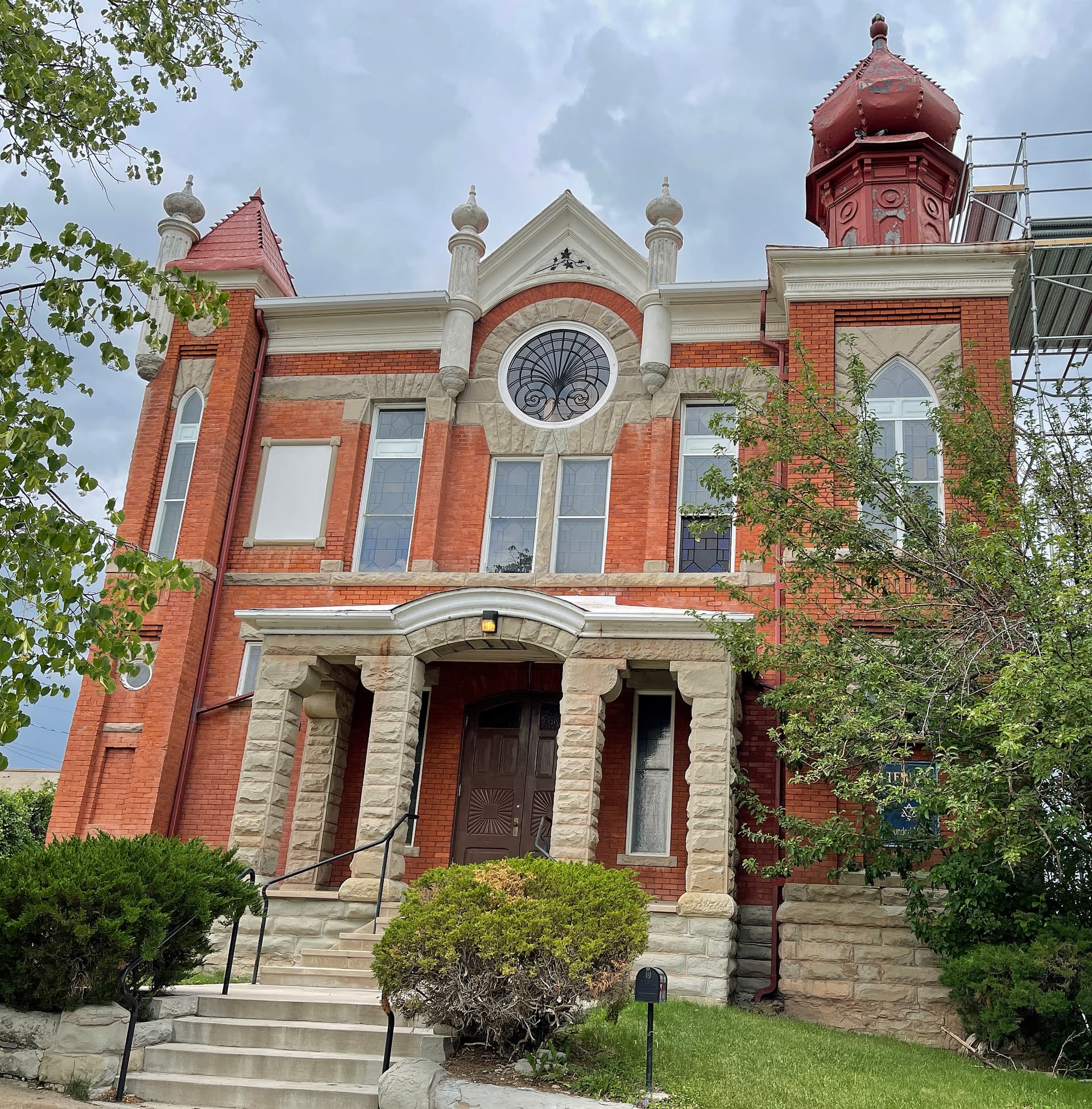
For Las Animas County, that matters in practical terms. A building like Temple Aaron helps give downtown Trinidad another reason to hold a visitor’s time, especially for people looking for architecture, religious history, and stories about the people who shaped the town’s institutions. It also gives residents a place where local history is concrete and legible, not just abstract. You can stand in front of the building and see evidence of immigrant settlement, political influence, and preserved craftsmanship all at once.
The site’s civic value is also in what it resists. In many places, buildings tied to minority histories disappear before their meaning is fully understood. Temple Aaron remains in original use at its original location, and that continuity makes it unusually strong evidence of how Trinidad developed. The synagogue holds onto a version of local history that connects frontier commerce, religious life, and multicultural identity in one preserved address.
What to notice when you visit
A visit to Temple Aaron is useful because the building tells several stories at once. The clearest details to look for are simple, but they open the door to the larger history behind them.
- The Moorish Revival style, which sets the building apart from Trinidad’s surrounding commercial and residential blocks.
- The onion dome and minarets, which make the synagogue one of the most visually distinctive landmarks in town.
- The stained glass, which adds to the building’s sense of permanence and craft.
- The South Maple Street location, which places the synagogue in the everyday geography of Trinidad rather than hiding it as a museum piece.
That combination of architecture, continuity, and civic history is why Temple Aaron still matters. It preserves the story of Jewish immigrants who did not just pass through Trinidad, but helped build its institutions, shape its leadership, and leave behind a landmark that still gives Las Animas County something real to see, use, and remember.
This article was produced by Prism’s automated news system from verified source data, official records, and press releases, then run through automated quality and moderation checks before publishing. The system is built and supervised by the people who set the standards it runs under. Read our full AI policy.
Did this article answer your question?