Trinidad council advances code update amid enforcement concerns
Trinidad moved closer to updated building and fire rules, but a contractor warned enforcement has been uneven before. Homeowners, landlords and builders could feel the change first.
Trinidad City Council moved forward May 19 on one of the city’s broadest building and fire code updates in years, putting inspections, permits and enforcement squarely at the center of the debate. For homeowners planning remodels, landlords maintaining rental properties, contractors bidding work and small businesses weighing tenant improvements, the change is about more than new language on paper. It is about whether Trinidad can apply the rules consistently once they are adopted.
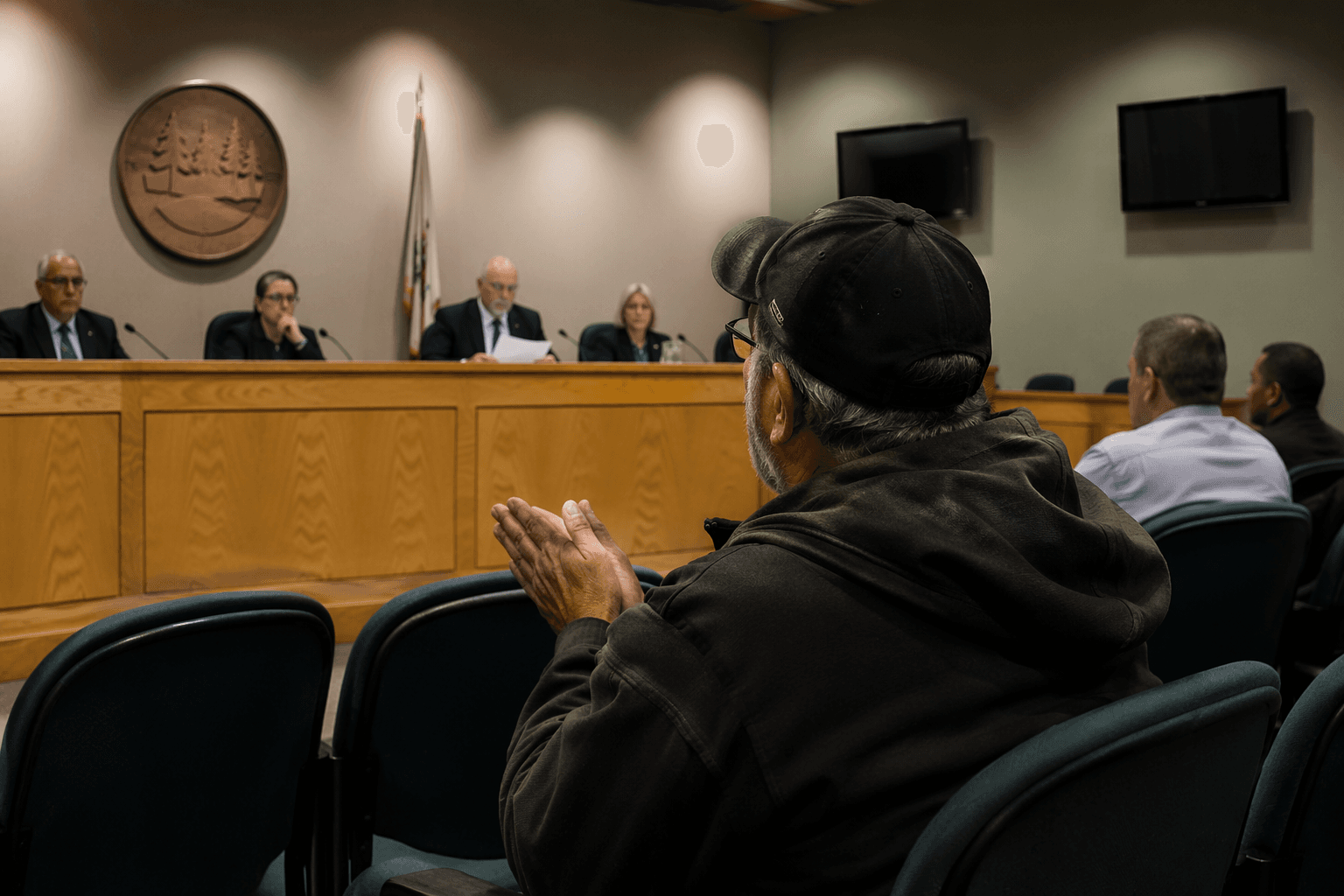
That concern surfaced during public comment, where local contractor John Wilkinson warned council that Trinidad had run into similar problems after adopting the 2018 building codes. He said enforcement became uneven when individual inspectors interpreted standards differently, and urged the city to take a slower, more deliberate path this time. His warning went to the heart of the issue facing the City of Trinidad: whether staff has the capacity and discipline to make the code work day to day, not just approve it in theory.
The update also matters because Trinidad’s building department website still says it follows the Colorado Chapter of the ICC and is based on the 2018 ICC code required by the city. That gap helps explain why council moved now. The city is trying to align its local rules with newer state requirements that have tightened the deadlines and raised the stakes for communities in the wildland-urban interface.
Colorado created the Wildfire Resiliency Code Board in 2023 through SB23-166, and state law requires local governments in wildfire-prone areas to adopt codes that meet or exceed the state model standards. On the energy side, HB22-1362 pushed jurisdictions toward stronger energy codes and model electric-ready and solar-ready language, with a June 30, 2026 deadline for jurisdictions on the later-adoption track. Those mandates are part of the pressure now facing Trinidad, where code updates can affect permit timing, project costs and the feasibility of new construction.
Trinidad’s own code already includes building-inspection and occupancy-enforcement provisions, so the debate is not about whether the city has tools. It is about whether those tools are being used consistently and whether staff can keep up with the demands of a modern code package. The city’s building department also says new construction must meet a 30 psf snow load and 115 mph wind speed, underscoring the practical impact of standards that shape how buildings are designed and approved in Las Animas County.
As Trinidad moves ahead, the measure of success will not be the vote itself. It will be whether residents and builders see clearer rules, steadier inspections and fewer disputes once the new code reaches the permit counter.
This article was produced by Prism’s automated news system from verified source data, official records, and press releases, then run through automated quality and moderation checks before publishing. The system is built and supervised by the people who set the standards it runs under. Read our full AI policy.
Know something we missed? Have a correction or additional information?
Submit a Tip