Trinidad Council Tackles Failing Leach Field, Neighbor's Water Crisis
Trinidad's leach field now requires monthly pumping, and council spent its March 17 meeting debating how to help a neighboring town losing large volumes of water.
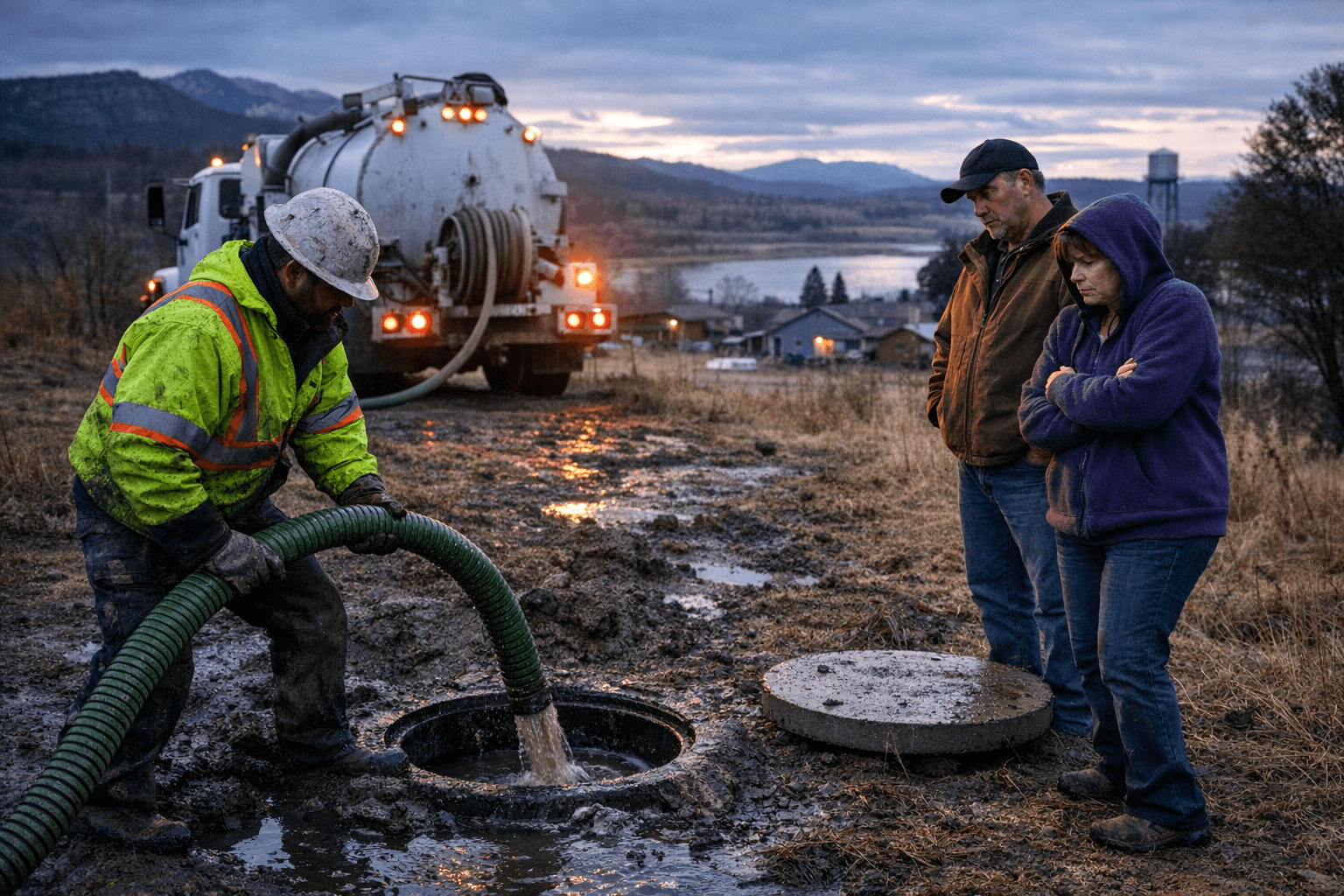
Trinidad City Council confronted two compounding infrastructure emergencies at its March 17 session: a municipal leach field that has degraded to the point of requiring monthly pumping, and a neighboring municipality whose water system is losing substantial volumes with no clear resolution in sight.
The leach field, part of Trinidad's wastewater-handling system, has been failing repeatedly, driving up emergency repair costs and operational strain on city staff. Council members pressed for engineering estimates to weigh the cost of full replacement against continued interim repairs, and discussed pursuing state and outside grant funding to cover what could be a significant capital expenditure. Until a longer-term solution is identified, the city will continue emergency pumping on a monthly basis.
The second problem brought a more delicate question before the council: how far should Trinidad extend itself to assist a neighboring jurisdiction hemorrhaging water from its distribution system? Officials acknowledged the community's instinct to help, but several council members raised concerns about providing support without written agreements in place. Informal aid, they cautioned, could shift costs onto Trinidad taxpayers with no mechanism for reimbursement or exit.
State law complicated the picture further. Building and health codes restrict how municipalities can legally extend utilities or accept wastewater from outside their designated service boundaries. That regulatory constraint, which council members framed as a "state code squeeze," means that even robust political will to assist a neighbor runs into firm legal limits on what forms of support are permissible.
The council's response across both issues was consistent: request engineering studies, establish grant exploration timelines, and require legally reviewed intergovernmental agreements before committing any city resources. No major expenditures were authorized March 17, but officials signaled that follow-up sessions with additional technical and legal analysis are expected in the coming weeks.
The stakes extend beyond immediate repair bills. Trinidad has been working to position its downtown and riverfront corridors for economic growth, and wastewater capacity is a foundational requirement for new development, housing, and visitor-facing events. A leach field operating on emergency footing constrains that capacity directly. Capital decisions made in the months ahead, whether through grants, formal aid agreements, or a potential bond measure, will determine how quickly the city moves from crisis management to planned investment.
This article was produced by Prism’s automated news system from verified source data, official records, and press releases, then run through automated quality and moderation checks before publishing. The system is built and supervised by the people who set the standards it runs under. Read our full AI policy.
Did this article answer your question?