Trinidad historic district offers a walk through city origins
El Corazón’s walking route turns downtown Trinidad into a map of the Santa Fe Trail, the coal boom, and 140 preserved buildings.
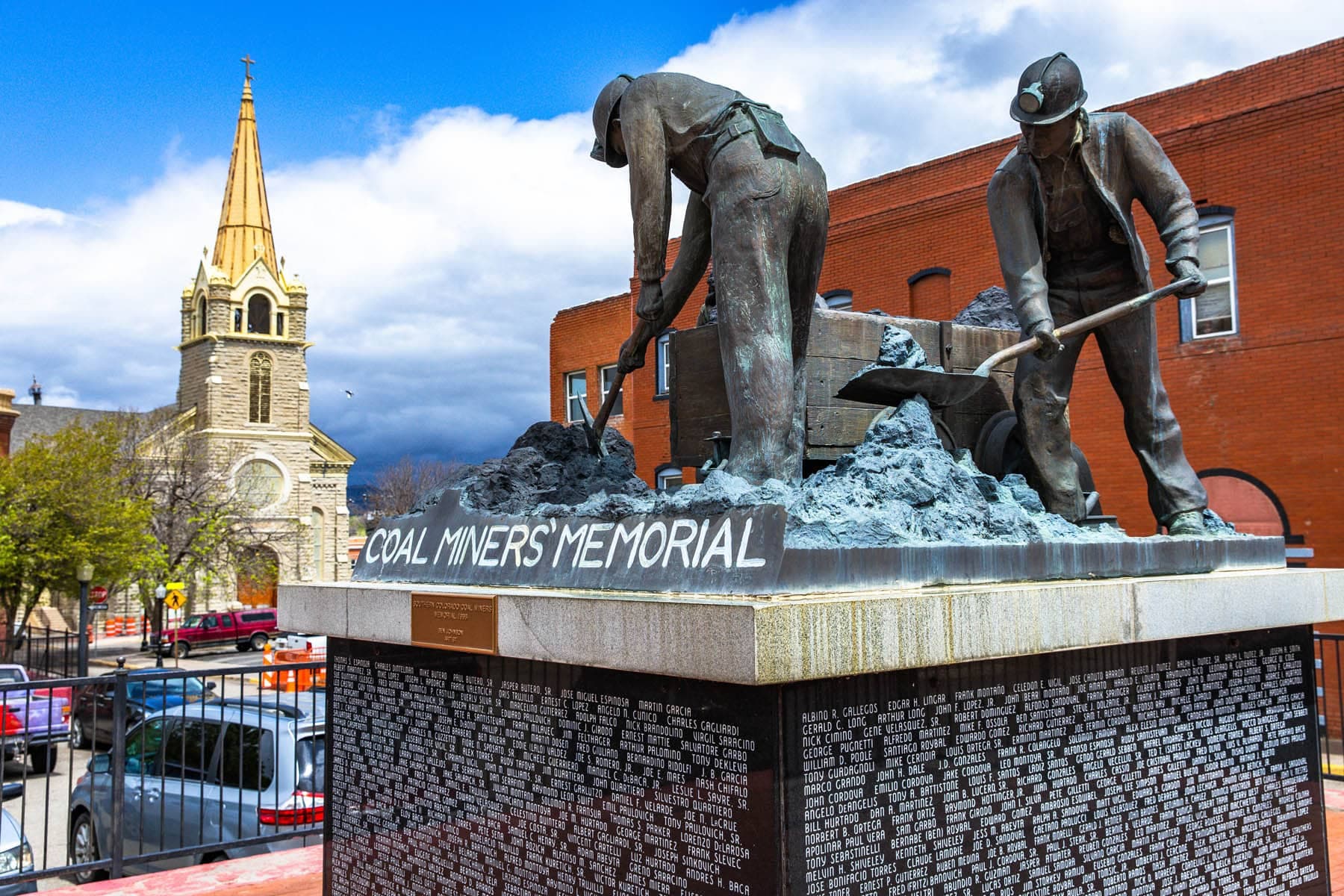
About 40 irregularly shaped blocks in downtown Trinidad make up the El Corazón de Trinidad National Historic District. The district follows the old trail corridor laid out along Santa Fe Trail wagon ruts, and the best way to read it is as a short walk through the city’s origin story, from the first log cabins and adobe houses to the late-Victorian commercial blocks that still define the center of town.
Start with the old grid
Its roots go back to 1861, with a formal historic district date of 1876. A historical marker describes the area that way, and the district’s 1973 listing on the National Register of Historic Places recognized it as the part of Trinidad where the city took shape first.
The streets themselves tell the story. Trinidad’s founders laid the downtown grid right along the wagon ruts of the Santa Fe Trail, so the district is not a preserved set piece dropped into the city center later. It is the city center. The old trail alignment still explains why the blocks feel slightly irregular, why the streets carry so much architectural variety, and why downtown remains the place where Trinidad’s earliest layers are easiest to see in one walk.
Follow North Commercial, East Main, and West Main
The most useful route runs through North Commercial Street, East Main Street, and West Main Street, the three segments used in the district’s self-guided audio walking tour. The tour is built as a three-part series, and it draws on Gerald H. Stokes’ book, *A Walk Through the History of Trinidad*, printed and copyrighted by the Trinidad Historical Society in 2007.
You do not have to commit to a long itinerary or line up a formal tour group. You can start anywhere downtown, listen as you walk, and connect storefronts and houses to the story of traders, settlers, rail-era expansion, and Trinidad’s rise as southern Colorado’s financial, retail, and cultural hub. The Colorado Division of Local Government also highlights the same three-part walking tour as a public self-guided resource.
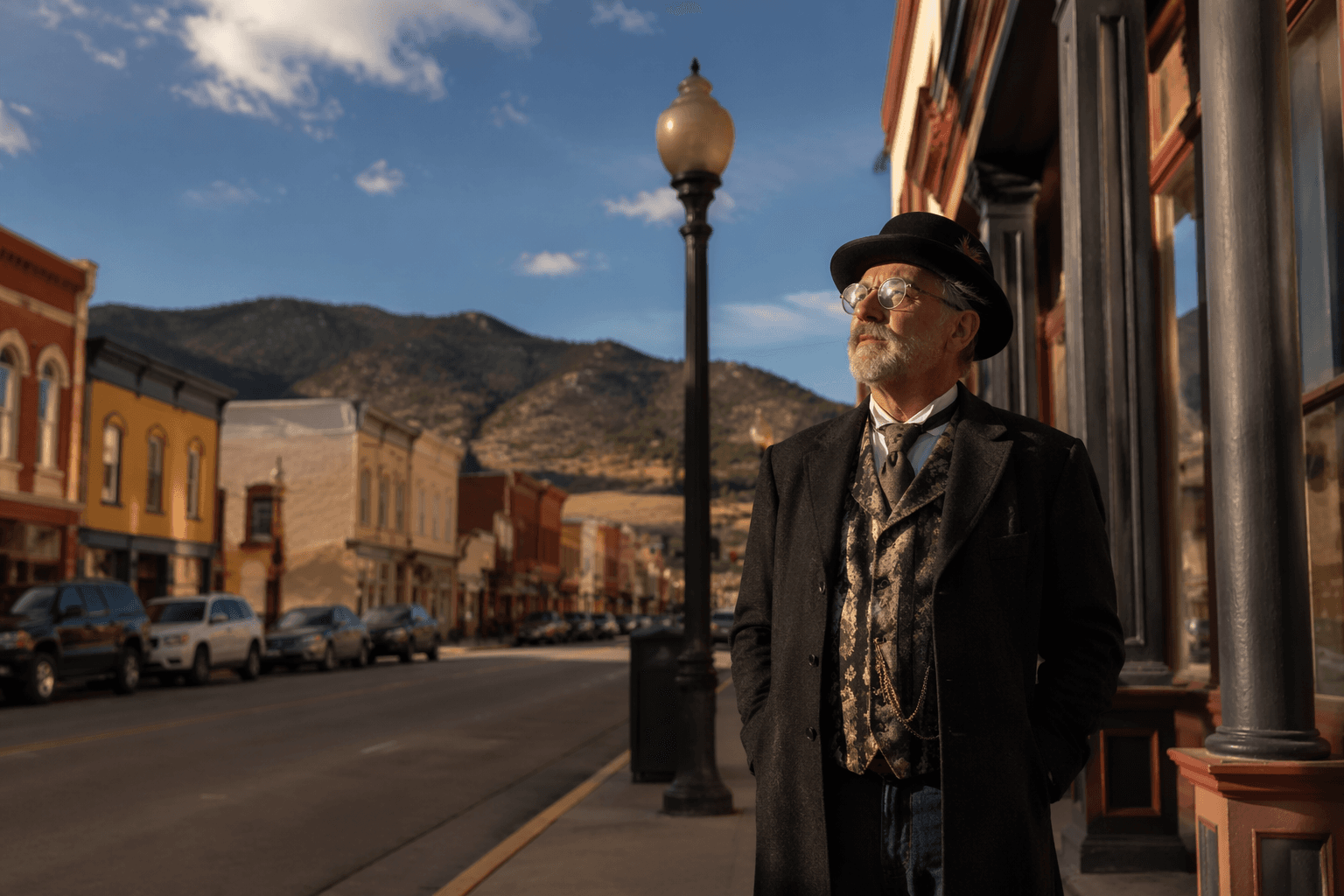
What to notice block by block
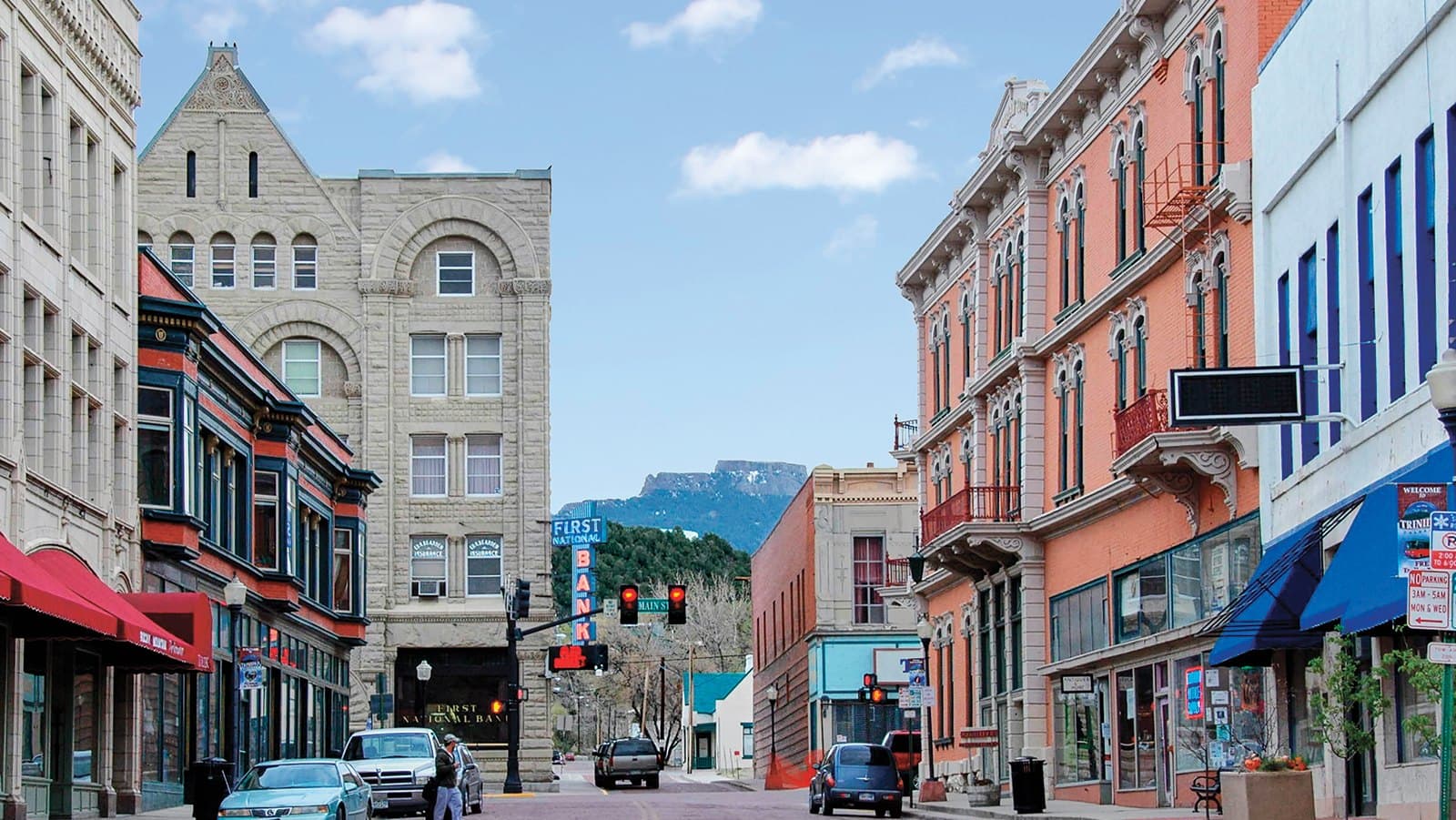
The district is large enough to reward an unhurried walk, but compact enough to make the details legible. Visit Trinidad counts more than 140 original buildings from the late 1800s in the district and its surrounding blocks, along with six miles of red cobblestone brick roads. The buildings mix Victorian and Greek Revival with Gothic, Mediterranean, French Renaissance, and Romanesque styles; History Colorado calls El Corazón one of Colorado’s best examples of Late Victorian commercial architecture.
Colorado Encyclopedia describes the district as a particularly well-preserved portion of downtown with adobe and brick buildings from the late nineteenth and early twentieth centuries, and that combination shows the shift from frontier settlement to a more established commercial city. The district’s nomination covers 55 buildings in the heart of town, but the preserved fabric extends well beyond that core, which is why even a short walk can feel dense with information.
- Red cobblestone brick roads mark the district as a place where street design itself is part of the historic record.
- Adobe and early log structures point to the first years after 1861.
- Brick storefronts and ornate façades reflect the boom years that followed the railroad.
- Irregular block shapes show how the town grew around the trail, not against it.
Why the architecture matters to the local economy
Trinidad’s buildings are physical proof of a period when the city was tied to coal, rail, and regional trade. Colorado Encyclopedia describes Trinidad as flourishing from the late 1870s through the 1910s as the capital of southern Colorado’s coal-producing region, and that growth helped turn the downtown into the area’s commercial core. History Colorado links the district’s development to nearby coal fields and the arrival of the railroad, which helped make Trinidad the financial, retail and cultural hub of southern Colorado.
The Atchison, Topeka and Santa Fe Railroad reached Trinidad in 1878, cutting into the old trail economy while opening the city to a larger commercial future. That timeline is visible in the district today. The oldest layers reflect trail-era settlement, while the later blocks show the growth of a regional center.
Place the district in the bigger trail story
El Corazón is also part of a much larger corridor of western expansion. Colorado’s Santa Fe Trail Scenic & Historic Byway follows an 188-mile portion of the original trail, while the national Santa Fe Trail byway runs 565 miles. The byway network places Trinidad among the notable historic stops along a route that also connects Bent’s Old Fort, Raton Pass, Cimarron, Fort Union, Pecos, Point of Rocks, and Santa Fe.
In Las Animas County, the district shows how a trail stop became a railroad city and how that city preserved the footprint of its own growth. The surrounding route also makes Trinidad a natural starting point for anyone following the Santa Fe Trail through southeastern Colorado, since the district sits squarely in the commercial corridor that once carried freight, travelers, and news across the region.
How to walk it well
The best visit is slow and specific. Begin on one of the three route streets, then let the details stack up as you move through the blocks. The surviving red-paved streets, the mix of brick and adobe, and the late-Victorian façades line up block after block.
This article was produced by Prism’s automated news system from verified source data, official records, and press releases, then run through automated quality and moderation checks before publishing. The system is built and supervised by the people who set the standards it runs under. Read our full AI policy.
Did this article answer your question?