Trinidad weighs updated building codes, delays electric-ready rules
Trinidad is moving toward a June 30 code overhaul, but city leaders say they are not ready to enforce Colorado’s electric-ready and solar-ready rules.
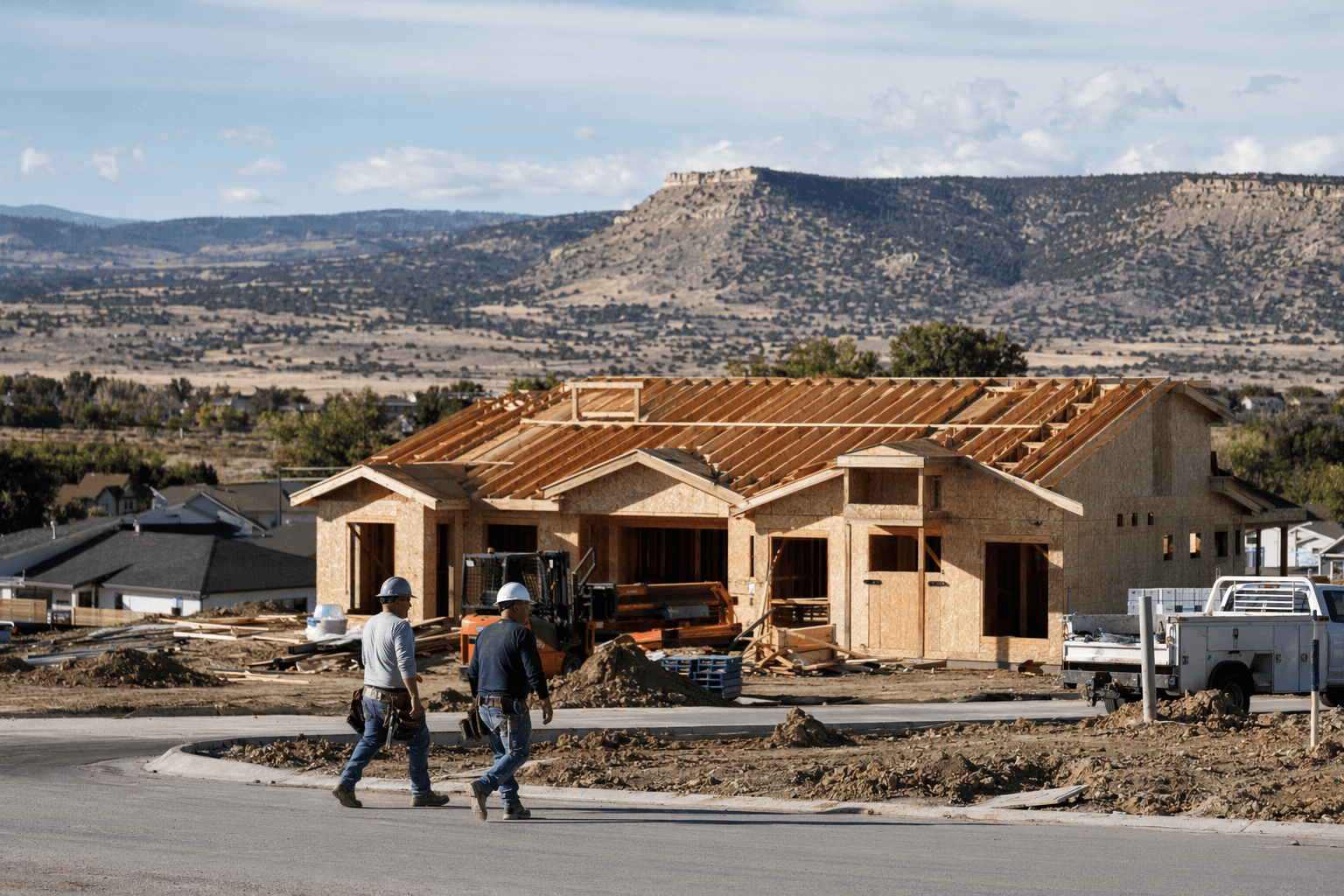
Trinidad is moving toward a June 30 overhaul of its building and fire code, but city officials said at a May 11 City Council work session that they are not ready to enforce Colorado’s electric-ready and solar-ready requirements. The question now is how fast the city can modernize without creating a permitting bottleneck for homeowners, builders and contractors who need a clear set of rules before they pull a permit.
The city’s own website shows Trinidad is already preparing for the change. It says the municipality is updating its building and fire code to reflect statewide changes under HB 22-1363, while still listing the current building code as the 2018 International Building Code. Trinidad’s municipal code also already adopts versions of the International Building Code, International Residential Code, International Mechanical Code, International Fuel Gas Code, International Energy Conservation Code and International Existing Building Code, so the debate is not about starting over. It is about how to fold new energy requirements into an existing local code package.
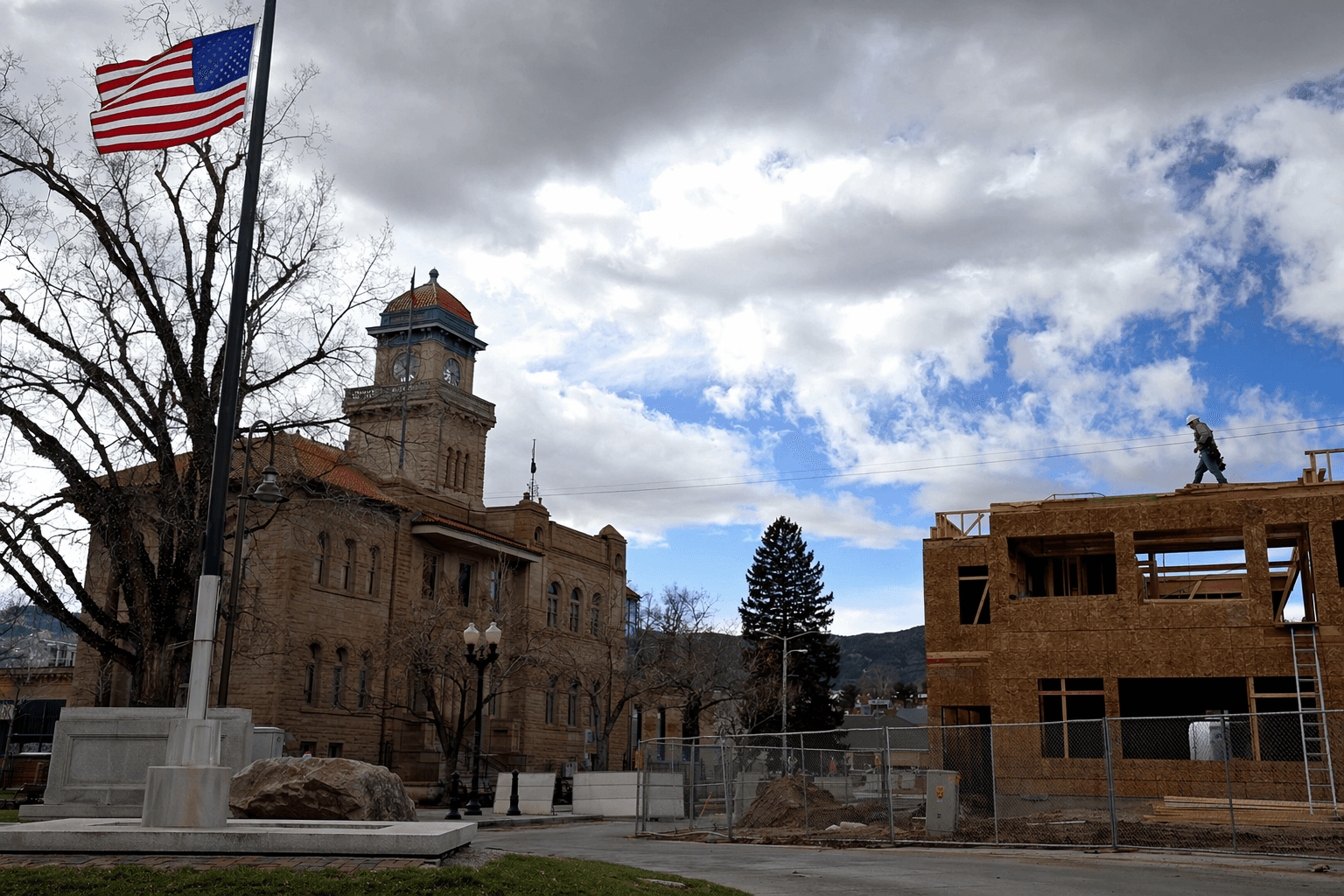
That matters because the state rules now reach into the details of construction. Colorado guidance says that before June 30, 2026, jurisdictions that adopt or update a building code must adopt the 2021 or 2024 International Energy Conservation Code and the Colorado Model Electric Ready and Solar Ready Code, or something equivalent or more stringent. Beginning July 1, 2026, local governments updating building codes must instead adopt the Colorado Model Low Energy and Carbon Code, or an equivalent or more stringent code. Trinidad’s timing, with a proposed update effective June 30, sits right at that transition point.
For residents and builders, the compliance burden is concrete. Electric-ready plans can require branch circuits, conduit or raceways, junction boxes, receptacles, reserved space for future electric equipment and labeled electrical capacity in main panels. Solar-ready plans must show a solar-ready zone, roof design loads and labeled future-solar electrical space. EV-ready plans must identify EV-capable and EVSE-installed spaces. Colorado’s Division of Fire Prevention and Control says separate plan sheets are required for Electric Ready, Solar Ready and Electric Vehicle Ready elements, and some applicants may pursue a substantial-cost-differential waiver.
Trinidad’s building department says it follows Colorado Chapter ICC guidelines and is based on the 2018 ICC code required by the city. The city also says its 2026 projected expenditures are just under $80 million with 165 full-time equivalent positions, which underscores the scale of any code shift. A delay can give staff more time to train, write procedures and line up inspections, but it can also leave permit applicants guessing which standard will control the next project.
Know something we missed? Have a correction or additional information?
Submit a Tip