Winter explores produced water reuse for Las Animas County ranches, farms
Winter pressed a Trinidad water meeting toward one question: can produced water really be made safe for ranches, farms, wildlife and fire protection, and who would foot the bill?
Las Animas County ranchers and irrigators are being asked to imagine an oil and gas byproduct as a local water supply, but the hardest questions are still basic: who regulates it, who pays for testing and infrastructure, and what risks would nearby communities carry if produced water is moved out of the oilfield and onto land that feeds cattle, crops and wildlife.
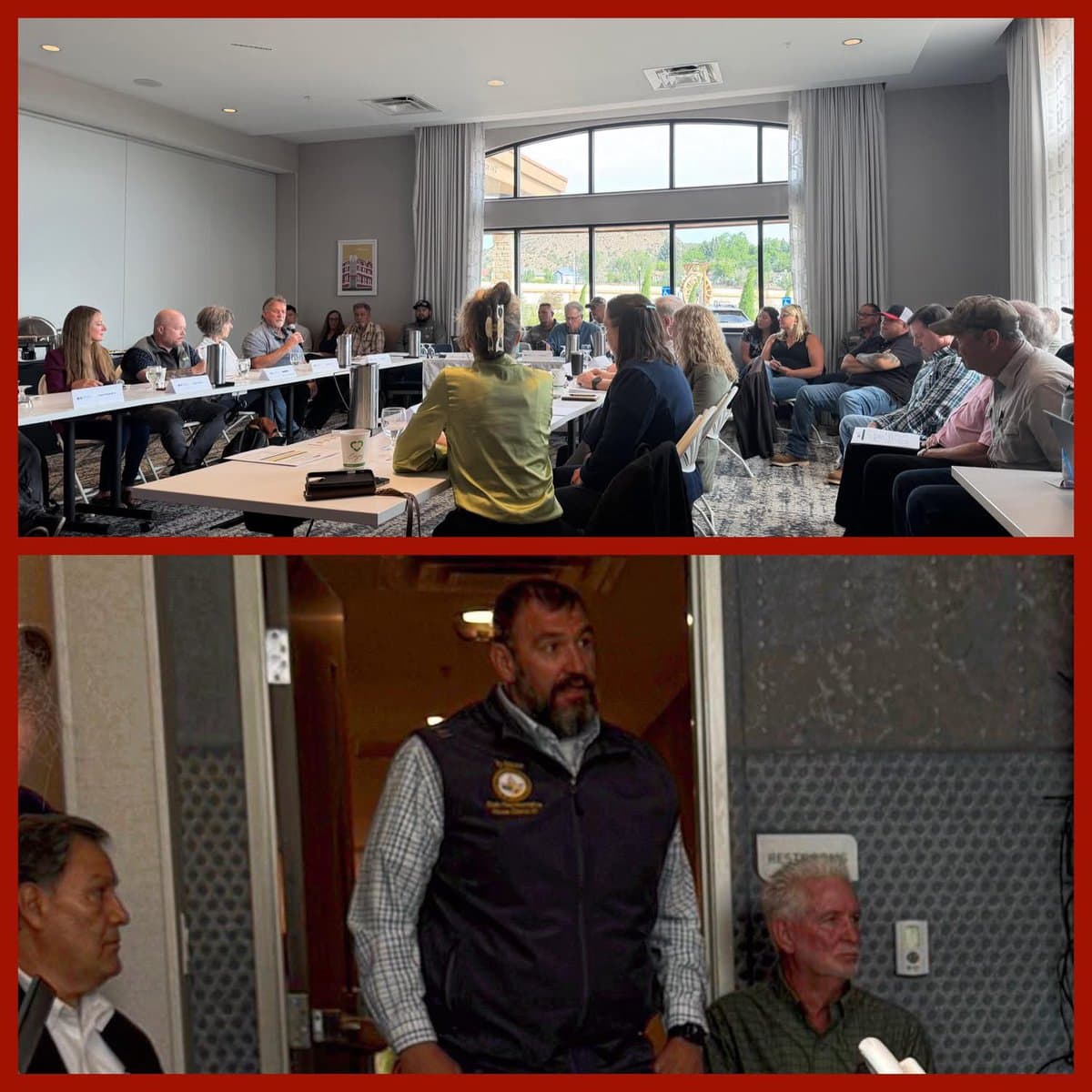
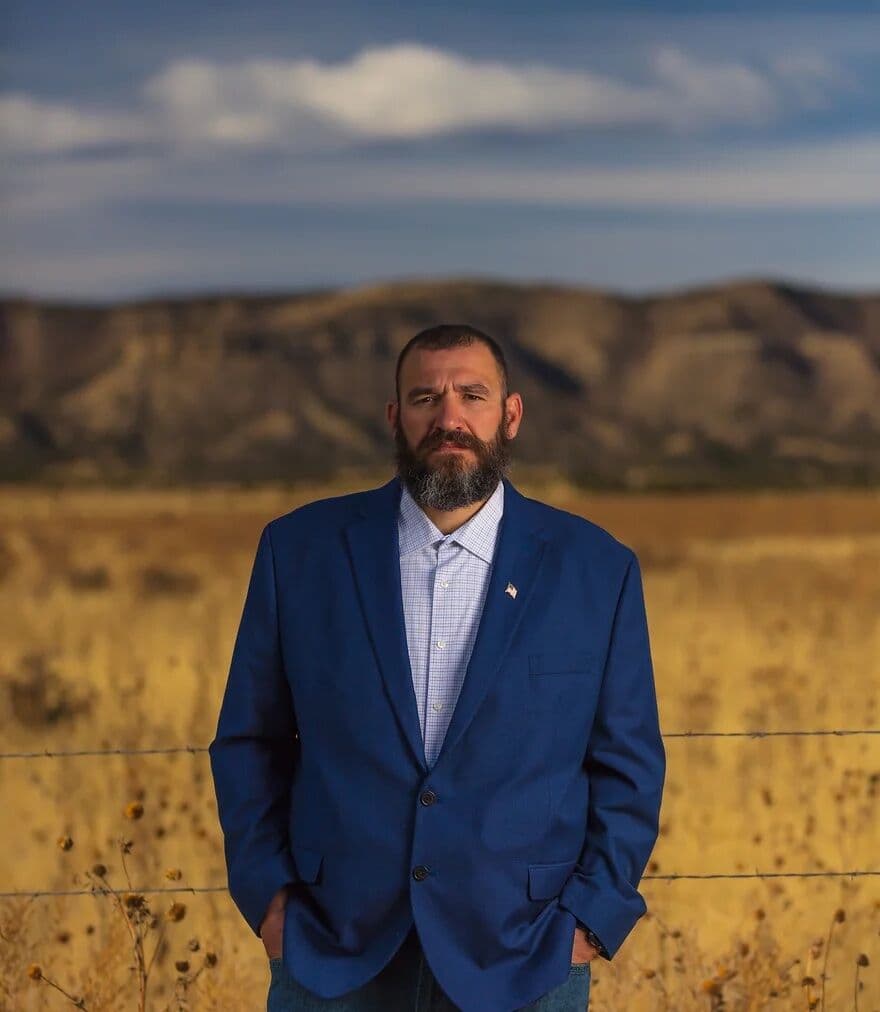
State Rep. Ty Winter, a Trinidad Republican who represents House District 47, took that pitch to a Colorado Produced Water Consortium meeting in Trinidad as drought and water pressure continue to squeeze southern Colorado. Winter’s interest is personal as well as political. He is a fourth-generation cattle rancher and third-generation small business owner, and his district includes Las Animas County, Huerfano County and other southeastern Colorado communities.
The consortium itself is a legislatively created coalition inside the Colorado Department of Natural Resources, and it brings together 31 members from state and federal agencies, research institutions, environmental groups, industry, local governments, environmental justice groups and disproportionately impacted communities. Its stated mission is to encourage reuse and recycling of produced water, reduce barriers to its use, and identify the scientific, legislative and regulatory gaps needed to protect public health, welfare, safety, the environment and wildlife resources.
That work has already produced one major milestone. In March 2024, the consortium released its first legislative deliverable, a synthesis report on best practices for in-field recycling and reuse of produced water. The report drew on more than 130 research journal articles, best practices and case studies, underscoring how early the conversation still is even as interest grows in using the water for ranching, farming, wildlife habitat and fire mitigation.
State lawmakers have also pushed the issue into the Raton Basin, which stretches across parts of Las Animas and Huerfano counties. SB23-186 directed state agencies to study methane seepage and coalbed methane produced water quality in the basin and to evaluate ways to preserve and beneficially use that water. The Colorado Energy & Carbon Management Commission said the study is meant to identify best management practices for capturing methane seepage, assess water quality from coalbed methane operations and examine possible beneficial uses. The commission launched aerial methane study flights in the basin from June 10 to June 20, 2024.
The broader backdrop is Colorado’s worsening water stress. In May 2026, the Colorado Water Conservation Board approved another $13 million for 48 drought- and wildfire-affected water projects, bringing statewide allocations to more than $40 million for 136 local projects. Against that pressure, Winter’s push is testing whether produced water can become a practical local asset for Las Animas County or remain an early-stage pitch still searching for the rules, the funding and the public trust to move forward.
This article was produced by Prism’s automated news system from verified source data, official records, and press releases, then run through automated quality and moderation checks before publishing. The system is built and supervised by the people who set the standards it runs under. Read our full AI policy.
Know something we missed? Have a correction or additional information?
Submit a Tip