Abundant Montana guide helps Helena-area farm reach more customers
A free local-food guide is helping Helena shoppers find Rocking Tree Farm and other nearby producers, even as price and access barriers keep food dollars leaving Montana.

Abundant Montana is trying to pull more of Helena’s food spending back into the state, and Rocking Tree Farm says the effort is already widening its customer base. The nonprofit’s free Local Food Guide and interactive map are built to steer shoppers toward nearby producers, while the larger goal is to keep more Montana food dollars in Montana instead of sending them out of state.
How the guide reaches Helena-area shoppers
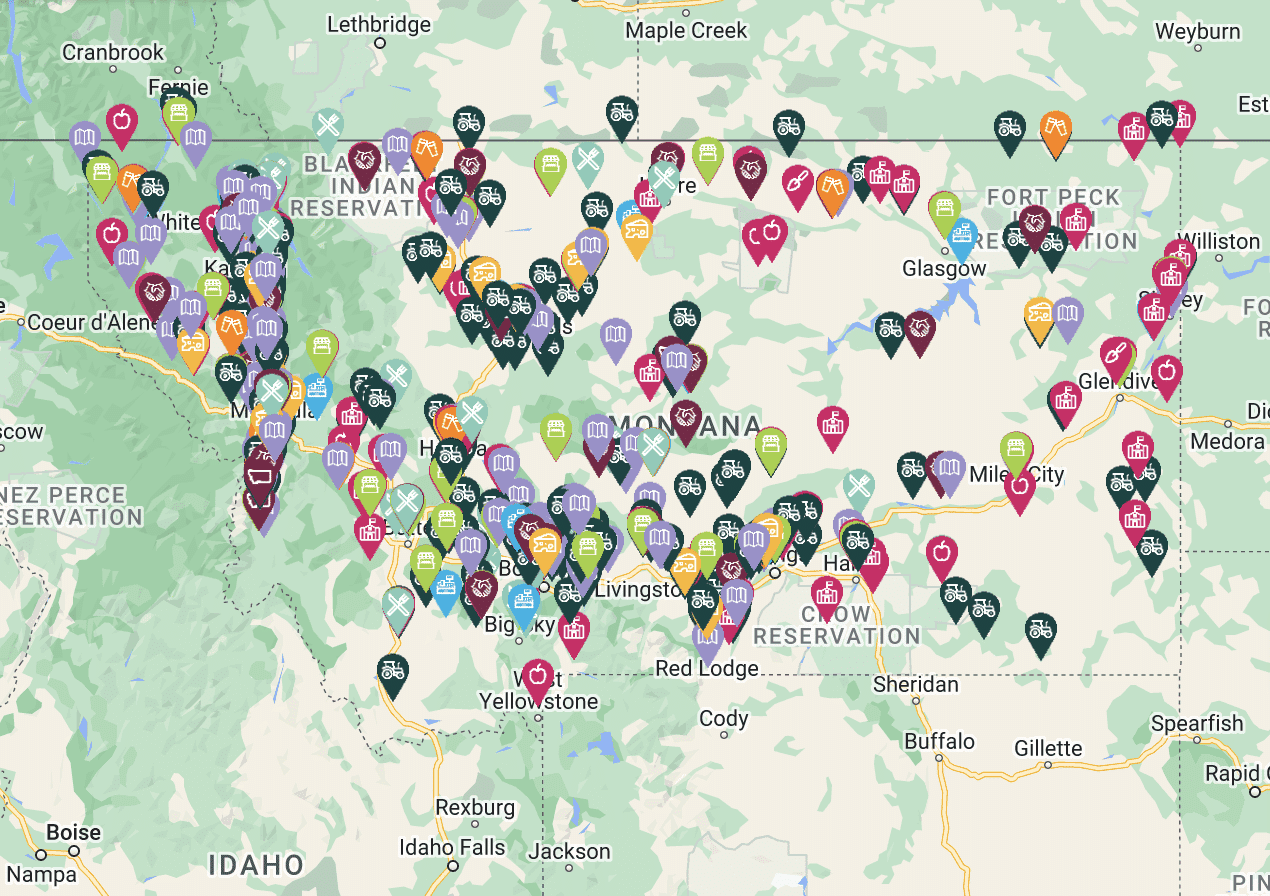
Abundant Montana’s Local Food Guide is a free, full-color, magazine-style publication that highlights local food offerings across the state. Its interactive Find Food and Farms Map goes a step further, letting users search for farms, ranches, farmers markets, restaurants, grocery stores, specialty producers, breweries, wineries, cideries, distilleries, and other businesses that prioritize local sourcing.
That matters in a market like Helena, where a small producer can be easy to miss without a central place to advertise. Rocking Tree Farm owner Tabitha Garvin-Betancourt says the guide has helped spread the word about the farm and its products, giving the Silver City operation a bigger reach into the Helena area than word of mouth alone could manage. For a local grower, that kind of visibility can mean new customers, steadier sales, and a better chance to sell directly rather than through long supply chains.
The numbers behind Montana’s local-food gap
The push is aimed at a food system that has changed sharply over time. Montana State University Extension’s 2025 MontGuide says about 70 percent of the food eaten in Montana was grown in the state in 1950, but that share had fallen to 3 percent by 2021. Erin Austin, Abundant Montana’s director of community partners and sales, points to that drop as evidence that the state has a long way to go if it wants to rebuild local food capacity.
The policy environment has shifted too. The Montana Local Food Choice Act, or SB199, was enacted in 2021 and updated in 2023 to expand local, direct-to-consumer options. Abundant Montana says its public goal is to raise the local-food share to 33 percent by 2032, and it already works with more than 1,200 businesses statewide. That scale suggests the organization is not just promoting a niche brand of shopping, but trying to knit together a wider market for growers, processors and retailers.
What Rocking Tree Farm adds to the local market
Rocking Tree Farm offers a useful example of how a Helena-area farm can use local food marketing to build a business around more than just produce. Tabitha Garvin-Betancourt and her husband George bought 20 acres in Silver City in 2016, then built the farm as a public benefit corporation and 501(c)(3) that serves veterans, their families and the broader community.
The farm says it uses small-farm experiences to help people build skills connected to addictions, trauma and other health benefits. A 2024 KTVH report said the farm uses sustainable agriculture and farm-life activities in a “homestead for healing” program. That mix of agriculture, community service and direct sales gives the business a different profile from a conventional farm stand, but it still depends on the same core economic question: can nearby buyers find it, understand what it offers and choose local food over cheaper alternatives?
Where the barriers remain
The answer is not always yes. Abundant Montana’s pitch rests partly on the idea that farmers keep more of each dollar when they sell directly to neighbors and nearby communities, rather than shipping food out of state or overseas. That model can strengthen a producer’s margins, but it also depends on buyers being willing to pay enough to cover local production costs.
The story’s biggest constraint is price. Some consumers are not always willing to pay more for higher-quality local products, which limits how far the market can expand on its own. That makes the guide useful, but not sufficient: visibility can create demand, yet affordability still determines whether that demand turns into repeat purchases. The result is a local food economy that has room to grow, but not without customers who are able and willing to support it.

Why the county context matters
Lewis and Clark County’s food-security picture makes this more than a lifestyle story. KTVH reported that 13 percent of county residents faced food insecurity in 2021, a reminder that access and affordability remain real public issues in the Helena area. Local food may not solve that problem by itself, but a stronger network of nearby farms, retailers and community buyers can improve resilience when outside supply chains are strained.
The broader economic case is also concrete. Grow Montana’s 2022 economic-impact study says local food production supports 1,110 Montana jobs and $31.9 million in Montana labor income. The same study notes that Montana had 3,000 food-processing jobs in the 1950s and 2,647 in 2021, even as the state’s population grew. That decline shows how much economic activity has leaked out of the food system, and why rebuilding local channels matters for rural producers and small businesses alike.
For Helena-area shoppers, the practical takeaway is simple: Abundant Montana’s guide and map make it easier to find who is growing, processing and selling local food, from farms and farmers markets to restaurants and grocery stores that stock Montana products. For growers like Rocking Tree Farm, that visibility can mean more customers and a better shot at keeping business close to home.
This article was produced by Prism’s automated news system from verified source data, official records, and press releases, then run through automated quality and moderation checks before publishing. The system is built and supervised by the people who set the standards it runs under. Read our full AI policy.
Did this article answer your question?