East Helena considers sharp sewer-rate hike for $23 million plant upgrades
East Helena wants to add $24 a month to sewer bills to help fund $23.5 million in plant work, as residents brace for a sharper hit.
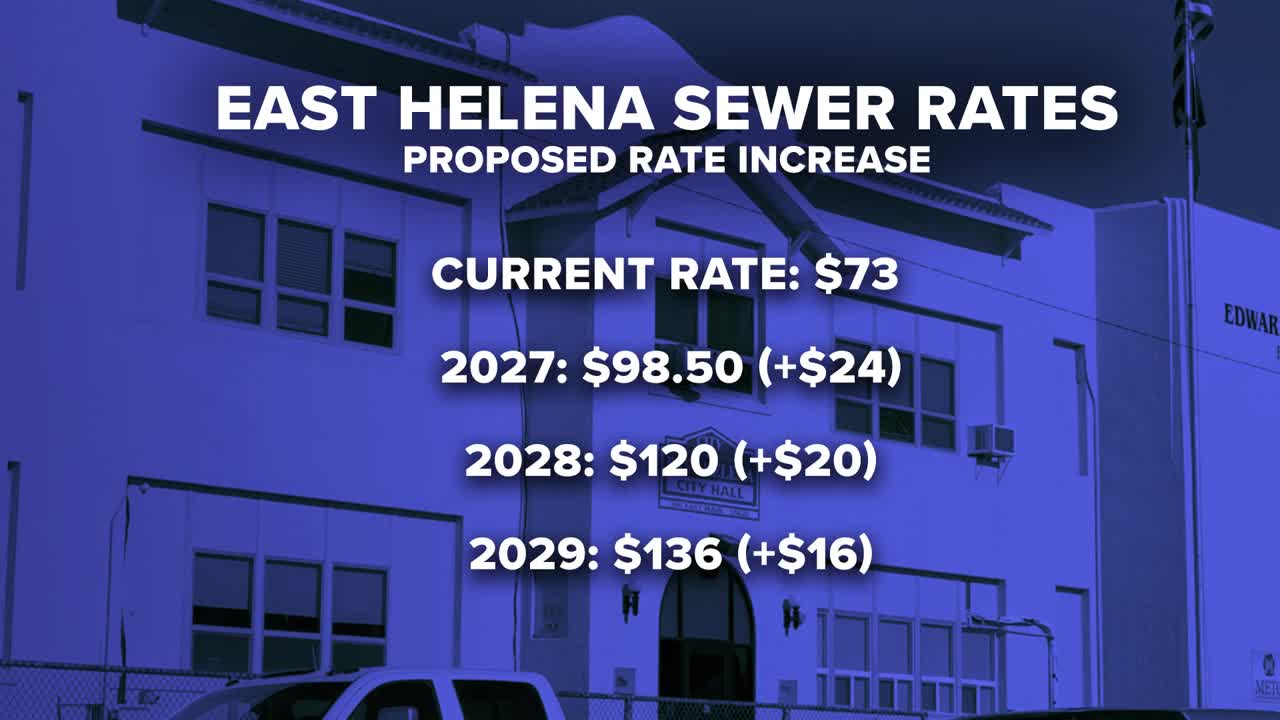
East Helena households could see sewer bills jump by another $24 a month in July, a proposal city leaders say is needed to keep a 26-year-old wastewater plant in compliance and ready for growth.
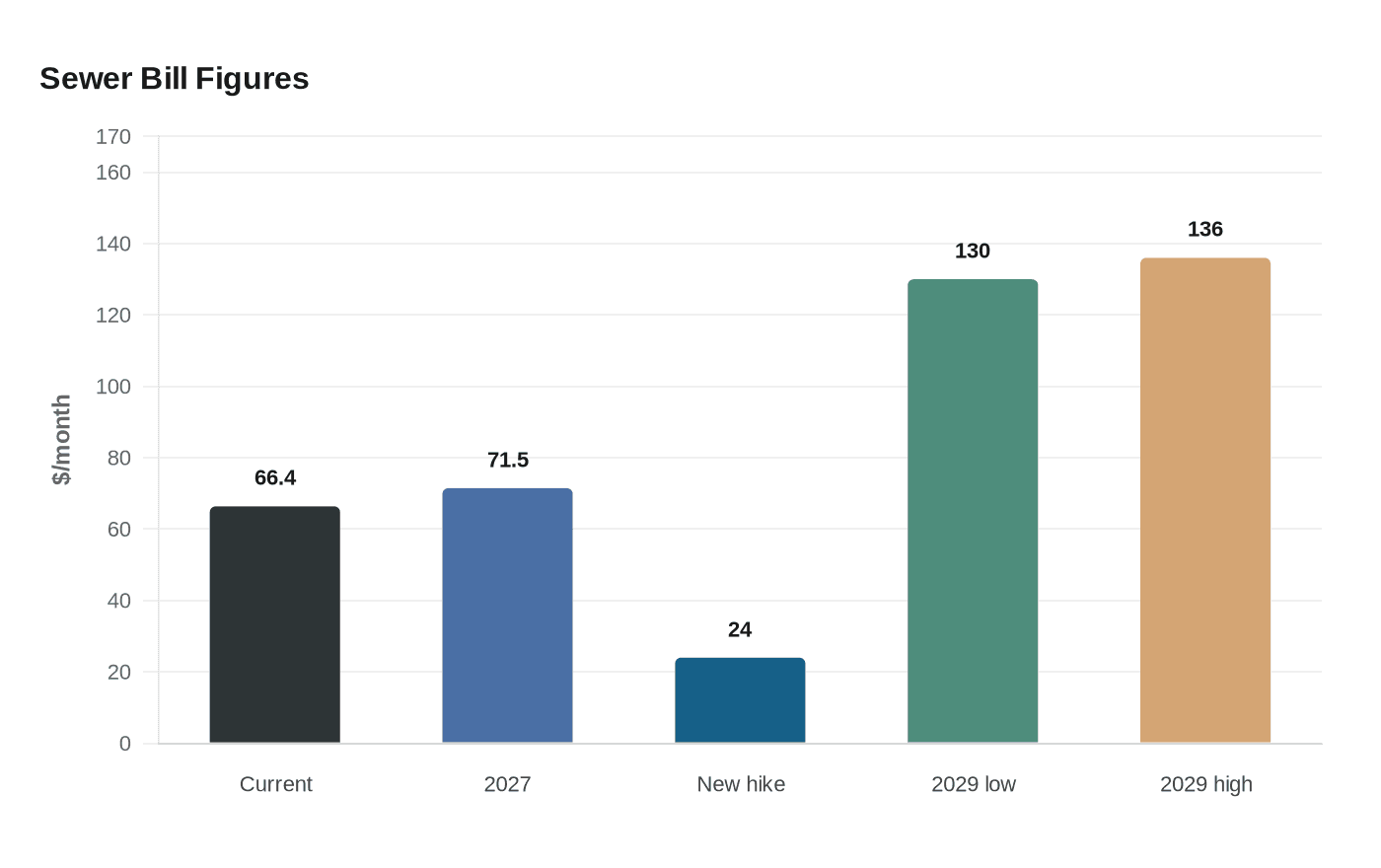
The increase would land on top of a rate path already set in motion in 2023, when the city approved annual $1.50 hikes for the July 2024 through July 2027 billing cycles. A city notice at the time said the residential charge would reach $71.50 a month, up from $66.40, before the new proposal pushed the bill much higher. Under the broader plan, monthly sewer costs could rise to about $130 to $136 by 2029, depending on final project costs and financing.

City officials say the pressure is real because the wastewater treatment plant has outlived its intended 20-year design life. Mayor Kelly Harris has said the facility is now in its 26th year, and the city’s permit records show the current discharge permit was issued Oct. 1, 2009, expired Sept. 30, 2014, and was kept in place through administrative extension while renewal was pending. Officials also say the plant is no longer meeting permitting requirements and has triggered violation letters because treated effluent is not clean enough before it is released into Prickly Pear Creek.
The city’s 2025 wastewater facility plan put the wider list of needed improvements at about $40 million, but said Phase 2 was cut by 33% to better match existing flows and near-term growth. The updated Phase 2 price tag came in at $23.5 million and covers two oxidation ditches, two secondary clarifiers, UV disinfection and related work. East Helena Public Works Director Kevin Ore has also laid out a draft schedule for plant improvements through 2032, including 2025 repairs to headworks and piping.
Growth is part of the argument, too. City leaders have tied the wastewater buildout to development in the East Clark Street District, saying the upgraded system would be able to handle roughly 1,000 more homes and serve East Helena’s sewer needs for decades. The city has held meetings, mailed postcards and sent notices in an effort to explain why the work is being pursued now instead of later.
The stakes are sharper in East Helena because Prickly Pear Creek runs through a community already shaped by cleanup work at the former East Helena smelter site. That history has made wastewater quality and creek impacts especially sensitive, and it is now colliding with a bill that many residents say will be hard to absorb.
Know something we missed? Have a correction or additional information?
Submit a Tip