Eric Strauss Named Montana Department of Corrections Director, Early January Start
The governor announced on December 22, 2025 that Eric Strauss will become director of the Montana Department of Corrections, succeeding Brian Gootkin who was nominated for a U.S. Marshal post. The leadership change promises continuity inside the agency and will shape how planned investments in state correctional facilities and community partnerships are carried out, matters that affect local budgets and public safety priorities in Lewis and Clark County.
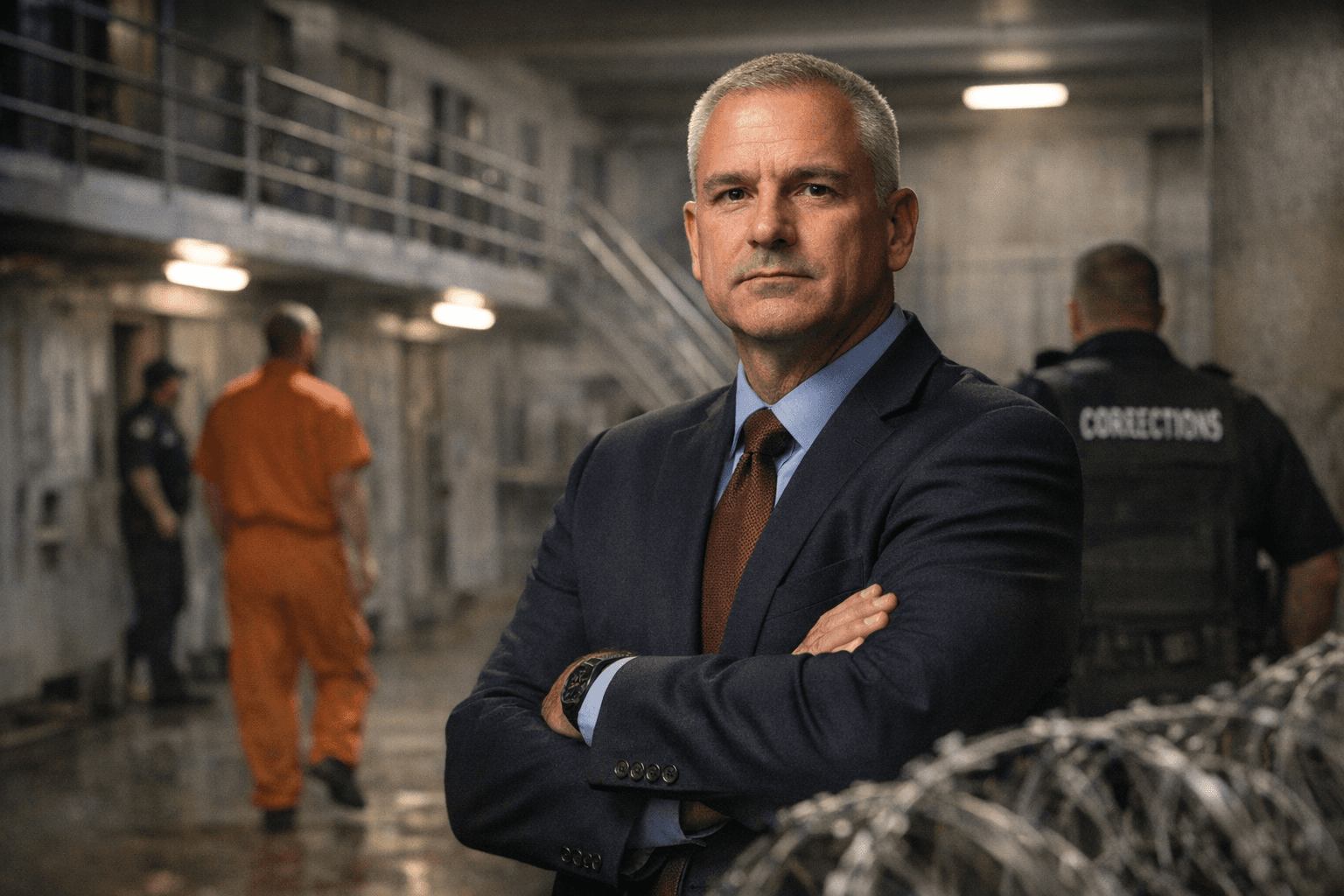
The governor's office announced December 22, 2025 that Eric Strauss will serve as director of the Montana Department of Corrections, with his tenure beginning in early January. Strauss has served as deputy director of the department since December 2024 and will succeed Brian Gootkin, who left the post after being nominated to a U.S. Marshal position. The appointment comes as the state advances planned investments in correctional facilities and staffing.
Strauss brings administrative experience from a nine year tenure leading the Employment Standards Division at the Montana Department of Labor and Industry. He holds degrees from the University of Montana and lives in Clancy. His community engagement includes service on the board of Shodair Children’s Hospital, indicating ongoing ties to statewide health and youth service networks.
For residents of Lewis and Clark County, where the state capital and many corrections related decisions are centered, the leadership change matters for several reasons. First, an internal promotion signals institutional continuity, which may smooth transitions around ongoing capital projects, staffing initiatives and policy implementation. Second, the director will oversee how the department allocates state resources for facility maintenance, construction and program funding, choices that can influence county grant requests, local contracting opportunities and public safety coordination with local law enforcement and courts.
The appointment also frames future community engagement opportunities. County officials, neighborhood groups and service providers will have to follow departmental plans and budget proposals as the administration moves forward with investments in correctional infrastructure and programming. Strauss's background in employment standards and his community board service suggest a managerial approach that may emphasize regulatory compliance and partnership with service organizations.
As Strauss assumes the director role in early January, local officials and civic groups should monitor forthcoming departmental budget requests and public meetings that will set priorities for facilities and programs affecting Lewis and Clark County. The change in leadership closes one chapter and opens another for state corrections policy and its local impact.
This article was produced by Prism’s automated news system from verified source data, official records, and press releases, then run through automated quality and moderation checks before publishing. The system is built and supervised by the people who set the standards it runs under. Read our full AI policy.
Did this article answer your question?