Fort Harrison’s military roots shaped Helena’s growth and veterans care
A Helena campus that now holds acute care, mental health beds and veteran housing also anchors jobs and access to care across rural Montana.

Fort Harrison is where Helena’s veterans get inpatient care, mental health treatment, rehabilitation and temporary lodging, and where a federal health system still shapes jobs and access across rural Montana. The campus just outside Helena in the Helena Valley concentrates hospital care, VA staffing and military functions in one place, so any expansion, delay or neglect reaches far beyond the fence line.
What Fort Harrison does today
Fort Harrison VA Medical Center now operates as a 34-bed acute care hospital with 6 intensive care unit beds and a 24-bed inpatient residential rehabilitation facility. A separate VA fact sheet describes the broader system as having 24 inpatient mental health beds and a 30-bed Community Living Center, which shows how much of the region’s most specialized veteran care is concentrated on this campus.
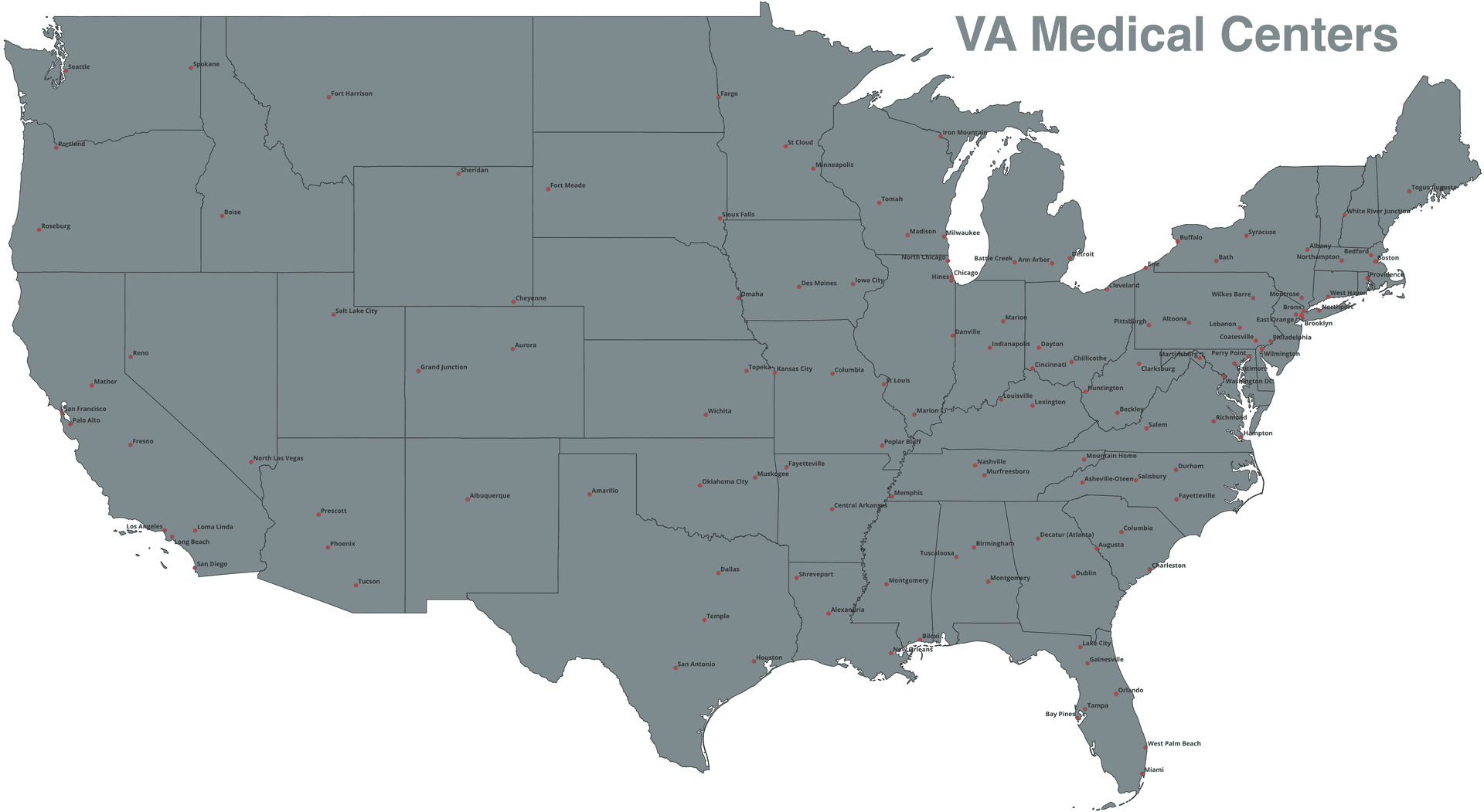
The scale matters because the Montana VA Health Care System covers about 147,000 square miles of primarily rural communities. Roughly 80 percent of Montana veterans get their primary care in VA clinics closer to home, while more than 47,000 enrolled Veterans rely on the system overall. Montana VA has described the network as serving the state through 17 to 18 sites of care with about 1,200 to 1,500 staff, and one-third of those employees are Veterans themselves.
That workforce makes Fort Harrison more than a hospital. It is a major federal employer in Lewis and Clark County, with paychecks, contracts and patient traffic that reach into Helena businesses, housing, transportation and support services. The campus also sits within VISN 19, the VA Rocky Mountain Network, which spans 540,000 square miles across 10 states, a reminder that decisions made in Helena affect veterans far beyond county lines.
Mental health care is one of the site’s clearest present-day roles. Montana VA describes its behavioral health program as a regional center of excellence for Veteran-focused mental health care, and the Fort Harrison campus includes a 24-bed inpatient mental health facility for Veterans dealing with post-traumatic stress disorder and substance use disorder. The campus also includes the Group House and Liberty House, temporary lodging for Veterans and family members who live more than 125 miles away, which keeps care within reach for people who would otherwise face long, difficult trips.
Fort Harrison also remains a shared service landscape, not just a medical campus. The grounds include Montana National Guard facilities and a U.S. Army Reserve training site, so the property still carries military purpose alongside health care. Recent VA reporting says the medical center has also been working on infrastructure upgrades to keep patient care safe and effective, while quality measures have given it a four-star overall rating and five-star marks for physician communication and staff responsiveness.

How a rail-connected post became a Helena landmark
The site began in 1892 as a military post built near Helena to take advantage of the Great Northern Railway and Northern Pacific Railway lines. It was first named Fort Benjamin Harrison, then renamed in 1906 after officials learned a fort in Indianapolis, Indiana, already carried that name. The new name honored William Henry Harrison instead, and the change tied the post’s identity to a national political lineage as well as a local place.
The fort was first garrisoned in 1895, and it quickly became part of Montana’s military mobilization network. In 1898 it helped assemble volunteers for the Spanish-American War, then served as a mustering site for Montana troops bound for the Mexican Border Campaign in 1916 and for France in 1917. Those repeated shifts show how one Helena-area installation adapted to the country’s changing military needs over time.
Fort Harrison’s earliest role also mattered to the local economy. The post began just outside Helena during a period when federal spending, rail access and military activity could stabilize a frontier city, and it played a key role in supporting the local economy during the Panic of 1893. That link between federal presence and local growth still shapes the way Lewis and Clark County experiences the campus today.
When the fort became a hospital
After World War I, military reservations such as Fort Harrison were increasingly seen as unnecessary as forts but valuable as sites for veterans hospitals. In May 1922, Fort Harrison opened as a VA tuberculosis sanitarium, using sleeping porches for sick and disabled former soldiers, sailors and marines who could benefit from the Rocky Mountain region’s dry mountain air. VA historical material also places the sanitarium transition in 1933 in one profile, which reflects the way the site’s move from fort to hospital appears across the record.
The original hospital building carried that transition in its design. Historic Montana notes that it was the last of 22 original buildings completed in September 1895, and that open-air verandas for tuberculosis patients were added to the east and west wings by 1906. Those verandas are more than an architectural detail; they show how medicine, climate and military service intersected on the same site.
Fort Harrison was also forced to rebuild after disaster. The hospital was rebuilt and repaired after the 1935 Helena earthquakes destroyed many buildings in the area, linking the campus directly to one of the city’s defining natural disasters. National Register material says the Fort Harrison Veterans Hospital Historic District has “exceptional importance” because it can accurately portray the catastrophic impact of the 1935 earthquakes and the reconstruction period of the late 1930s.
Why the site still matters to Lewis and Clark County
The present-day value of Fort Harrison is practical, not symbolic. Veterans from across rural Montana depend on a Helena campus that combines acute care, mental health beds, rehabilitation, community living and temporary housing in one place, rather than forcing patients to move between distant facilities. That concentration reduces travel burdens for older veterans, people in crisis and family members trying to stay close during treatment.
It also keeps decision-making local in a way that matters for county residents. Staffing changes, construction projects, bed reductions or program expansions at Fort Harrison affect whether care stays in Helena, how many federal jobs remain here and how often veterans and family members move through the city for appointments. In a county where the campus has shaped work, health care and military life for more than a century, Fort Harrison remains one of the most consequential addresses in Helena.
This article was produced by Prism’s automated news system from verified source data, official records, and press releases, then run through automated quality and moderation checks before publishing. The system is built and supervised by the people who set the standards it runs under. Read our full AI policy.
Did this article answer your question?