FWP updates lawmakers on warden morale, restructuring efforts in Helena
FWP told lawmakers it still has 13 vacant warden posts as it tries to rebuild morale, trust and coverage across Montana’s vast enforcement workload.
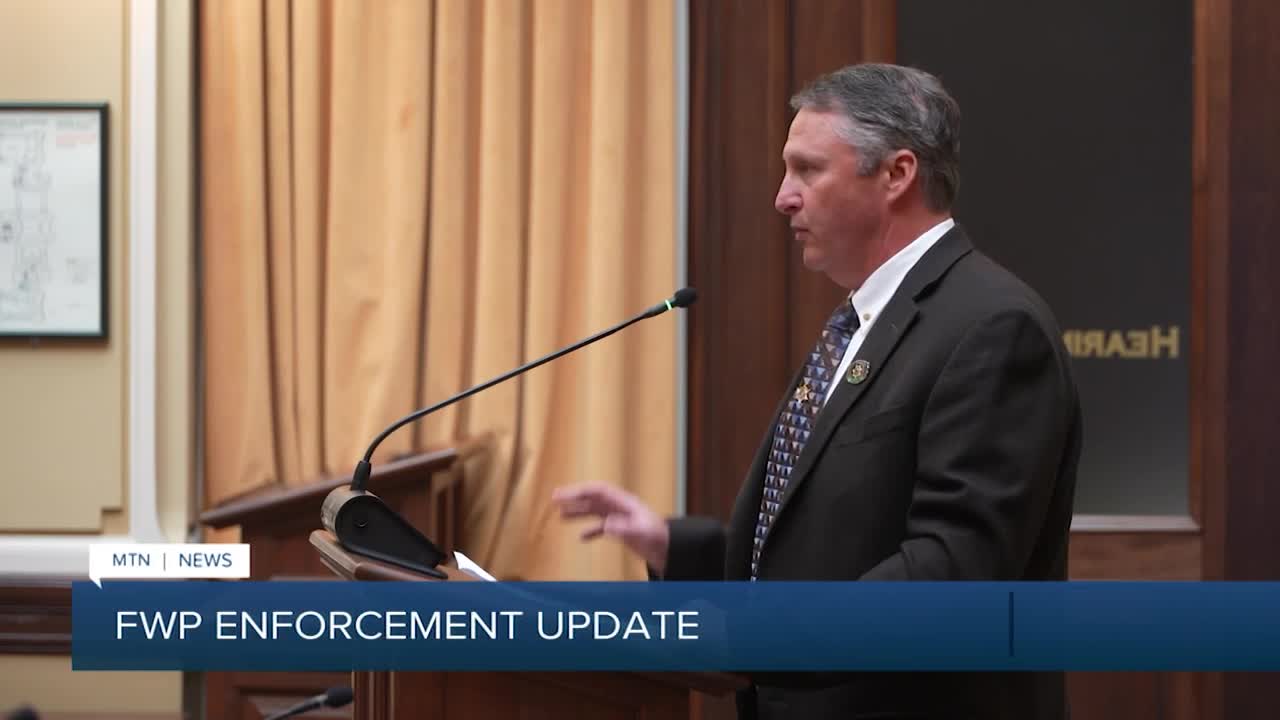
Montana Fish, Wildlife and Parks told lawmakers at the Capitol in Helena that its Enforcement Division is still trying to recover from years of strain, with 13 vacancies among 126 warden positions and an agency culture it says shifted hard a decade ago.
Director Christy Clark, who has been on the job a little more than a year, said the division moved away from a conservation-focused model and toward a more law-enforcement-driven approach. She described that transition as a destabilizing period for wardens and support staff, one that tested the people who stayed on after morale sagged and confidence in leadership weakened.
The concerns echoed a 2023 audit that found wardens feared retaliation, did not trust leadership and were working in a climate of low morale. Clark said FWP brought in Collaborative Safety to help with organizational leadership transitions, then added Brian Gootkin, the former Corrections director and Trump administration nominee for U.S. Marshal, to advise the department during the restructuring effort.
Gootkin told lawmakers the division needs to restore balance between enforcement and conservation. He said he has traveled across Montana to meet with wardens and supervisors one by one so they can describe what they want from a new leader, a sign that the agency’s reset is still in motion rather than complete.
For hunters, anglers, boaters and landowners in Lewis and Clark County, the staffing picture matters because each empty post can affect how FWP covers wide-open territory, responds to complaints and handles both public-safety and wildlife-related duties. A division with 13 openings has less room to absorb illness, leave, turnover or seasonal pressure, especially when wardens are expected to manage everything from field enforcement to administrative work.
The hearing made clear that FWP sees progress, but not resolution. Lawmakers were left with a division still working to hire, stabilize and persuade its own staff that the agency’s future will be defined by both enforcement and conservation, not one at the expense of the other.
This article was produced by Prism’s automated news system from verified source data, official records, and press releases, then run through automated quality and moderation checks before publishing. The system is built and supervised by the people who set the standards it runs under. Read our full AI policy.
Did this article answer your question?