Helena camp gives students hands-on look at behavioral health careers
At Carroll College, Montana teens stepped into a first-responder simulation to test-drive behavioral health jobs Helena needs to fill. Heads Up is trying to build that pipeline earlier.
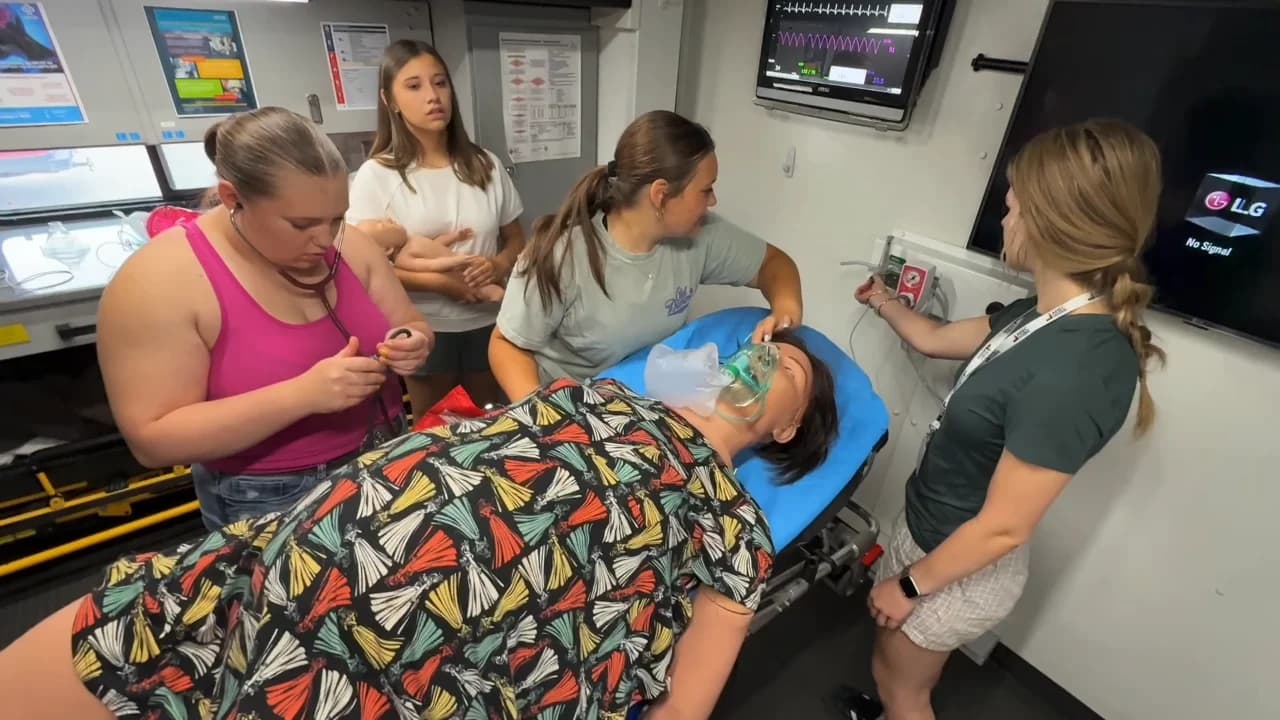
Montana high schoolers spent July 14 at Carroll College getting a close-up view of behavioral health work, including a Simulation in Motion-Montana first responder scenario built to show what the job can look like outside a classroom. In Helena, where schools, clinics and public safety agencies all rely on a steady behavioral-health workforce, the camp was aimed at introducing students to those careers before they choose a college or training path.
Heads Up is a Montana Office of Rural Health and Area Health Education Center pathway program, and the 2026 flyer says it is open to freshmen, sophomores and juniors in high school. The program is built around hands-on activities and learning from behavioral health professionals, which makes it more than a general career fair. It is designed to show students the range of roles tied to mental health, crisis response and care services, not just the work of a therapist or counselor.
That matters in Helena because the city sits in the South Central Montana AHEC region, making Carroll College a natural place for a workforce program that is meant to reach students from across the area. The camp gives local teens a chance to see how behavioral health connects with emergency care, trauma response and coordinated services that often start in a county seat like Helena before spreading into surrounding communities in Lewis and Clark County.
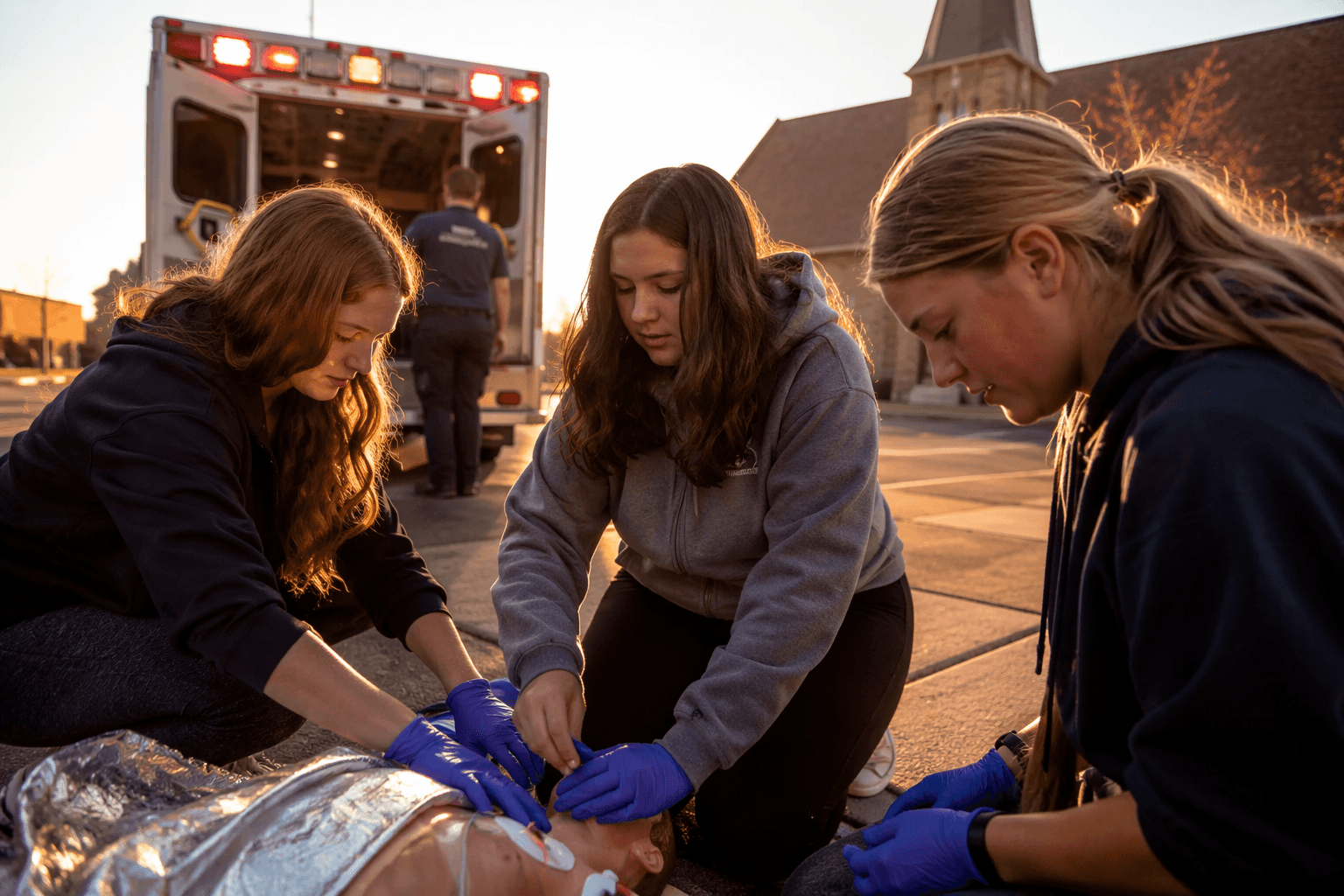
The simulation piece added a layer of realism. Simulation in Motion-Montana describes itself as a nonprofit that provides simulation education to improve patient outcomes and team performance. Its materials say simulation training can reduce medical errors, improve patient outcomes, increase team performance and identify latent patient-care threats. At Carroll College, that kind of training helped put students inside a first-responder scenario instead of leaving the field as an abstract idea.
The broader effort sits inside a statewide workforce strategy that has been building for years. Montana’s healthcare workforce committee dates to 2006, when the Office of the Commissioner of Higher Education asked the Montana Office of Rural Health and AHEC to provide leadership on workforce issues. MORH and AHEC describe their work as including workforce development, pipeline programs and technical assistance programs, and their annual one-pagers say the organizations are federal-state partnership grant programs focused on improving healthcare across Montana through public-private partnerships and rural health development.

For Helena, that means the July 14 camp was not just a summer activity. It was a recruitment effort aimed at students who may one day fill the jobs that keep counseling offices, treatment programs and crisis teams staffed across the county and the state.
This article was produced by Prism’s automated news system from verified source data, official records, and press releases, then run through automated quality and moderation checks before publishing. The system is built and supervised by the people who set the standards it runs under. Read our full AI policy.
Did this article answer your question?