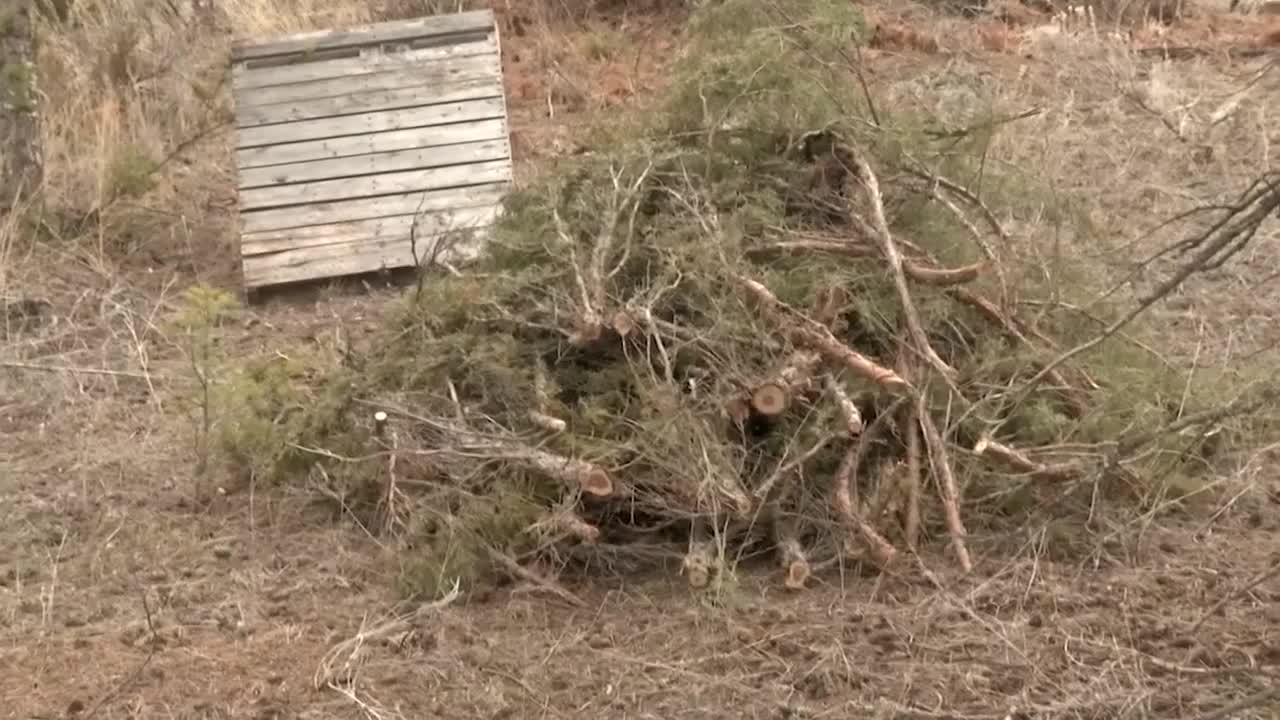
Helena crews advance wildfire mitigation work in Mt. Ascension park
Crews began tree felling, pruning and slash piling in Mt. Ascension Natural Park, with no closures expected on the nearby 2006 and Entertainment Trails.

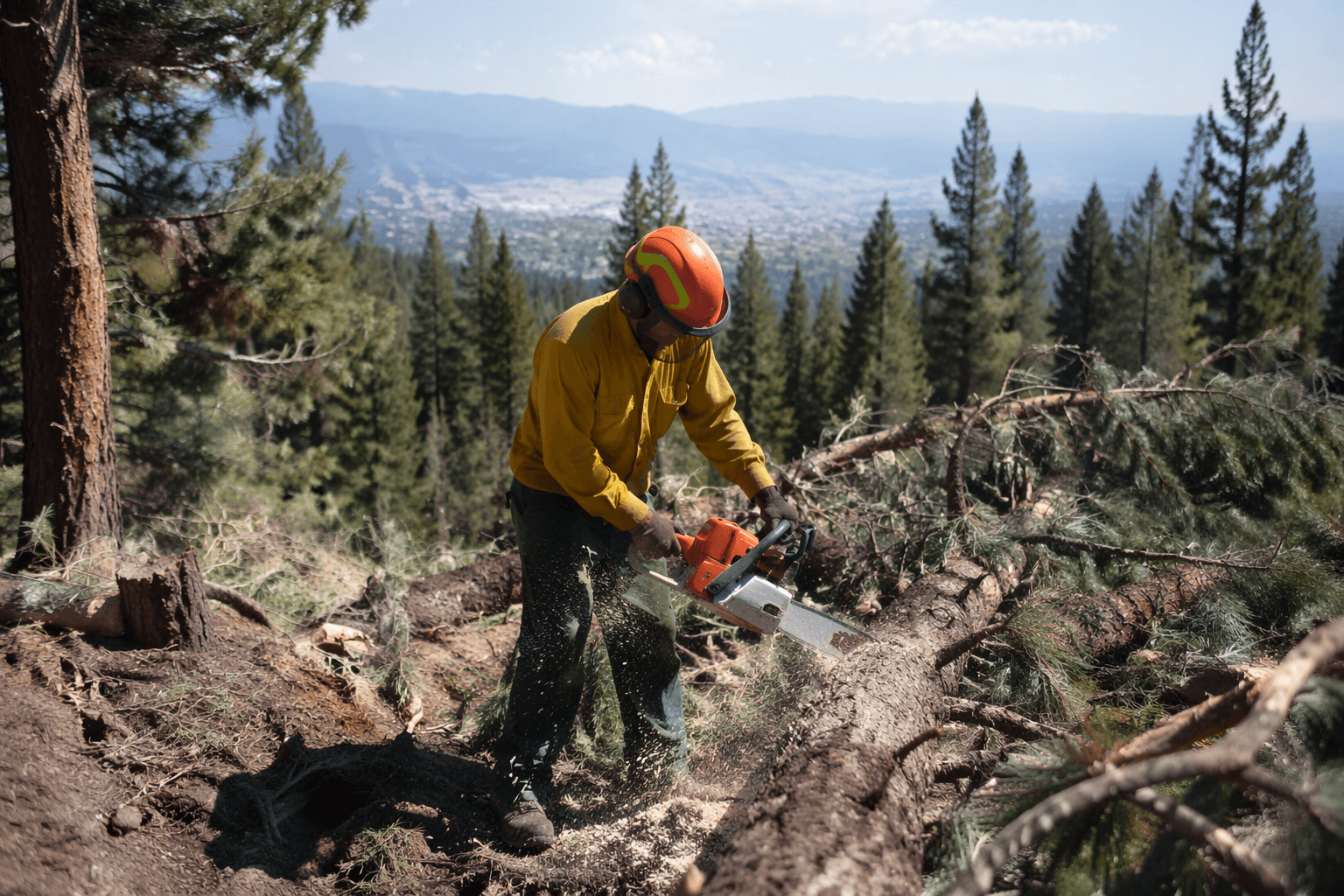
Contract crews pushed Helena’s wildfire-mitigation work deeper into Mt. Ascension Natural Park on May 22, starting operations in Unit 5 of the Backdrop Fuels Reduction Project while leaving the nearby 2006 Trail and Entertainment Trail open. The city said no trail closures were anticipated, but signs were posted to warn users that forestry work was underway.
The work includes tree felling, pruning and slash piling, part of a larger effort to cut fuel loads and make the park less vulnerable to a fast-moving fire. City bid materials have referred to the Mt. Ascension effort as the Helena Mt Ascension 1953 Project, and the city has said its fuel reduction work includes thinning forested areas, pruning selected trees to a height of 6 to 8 feet, and reducing tree crown density inside flagged treatment units.
That approach is backed by state wildfire dollars. The project is funded through the Montana Forest Action Plan Program, administered by the Montana Department of Natural Resources and Conservation and paid for with State of Montana Fire Suppression Fund money. DNRC says the grant program is meant to reduce wildfire risk and improve forest health through cross-boundary, landscape-scale restoration, a description that matches Helena’s open-lands strategy on the hills above the city.
The Mt. Ascension work is part of a broader city effort that already covered about 260 acres across four treatment units in 2025. The city said the Backdrop Fuel Reduction project on Mt. Ascension covered 150 acres and was complete by July 31, 2025. A companion project on Mount Helena, the Queen City Fuel Reduction project, covered 110 acres and was also reported complete by that date.
Helena’s open-lands materials say active management is intended to make the city more resilient to wildfire and flooding, help prevent forest insects and disease, and preserve recreation access. For trail users, the immediate tradeoff is clear: short-term logging activity, posted warnings and visible work in the park now, in exchange for lower fire danger and a healthier forest structure later.
This article was produced by Prism’s automated news system from verified source data, official records, and press releases, then run through automated quality and moderation checks before publishing. The system is built and supervised by the people who set the standards it runs under. Read our full AI policy.
Did this article answer your question?