Helena deer density hits record high, but conflicts decline
Helena’s deer count reached about 97 per square mile, but complaints are falling as city and state tactics change how the herd uses neighborhoods.
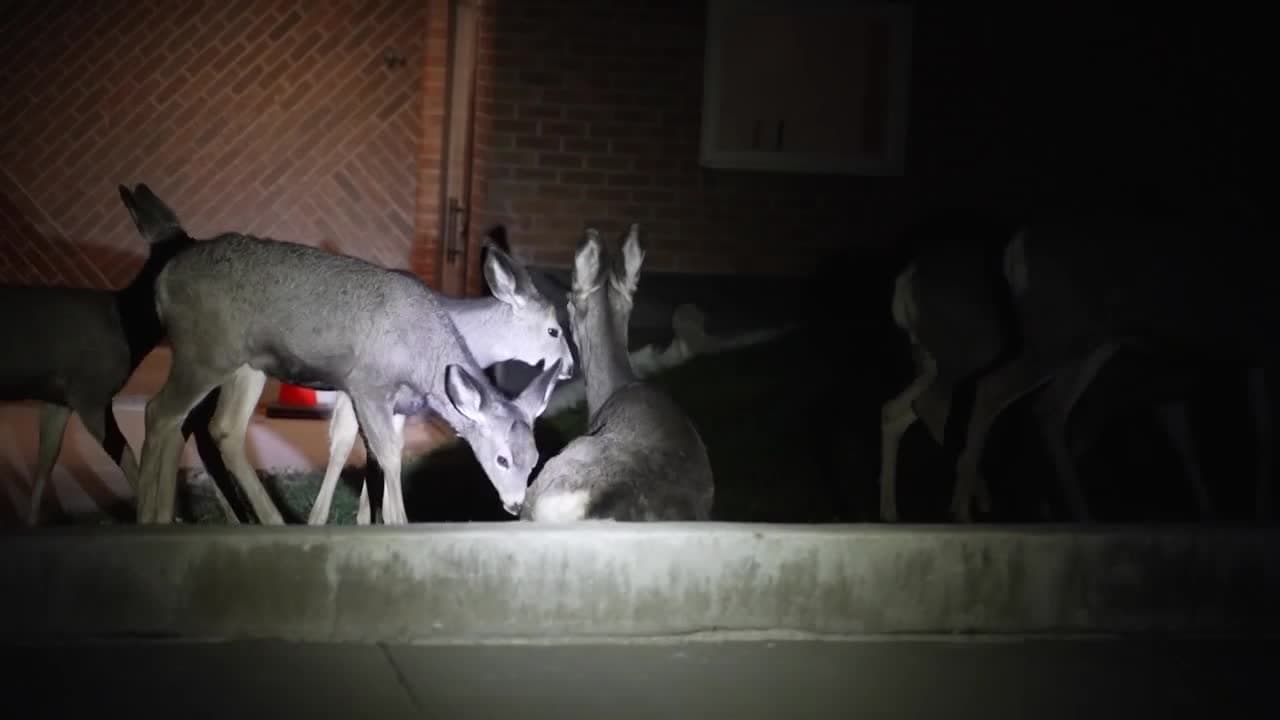
Helena’s deer are more crowded than ever inside city limits, yet the problems that usually follow a growing herd have eased. Montana Fish, Wildlife and Parks and the City of Helena said this year’s count estimated about 97 deer per square mile, a record for the urban survey, even as calls about aggressive deer and daytime sightings declined.
The city and FWP have tracked Helena’s urban deer since 2008, using October night counts along pre-determined routes with spotlights. The data goes to FWP biologists, who turn the raw numbers into deer-per-square-mile estimates. That long-running system shows how far Helena remains above its own management goal: an FWP memo says the city’s urban deer plan aimed to bring density down to 25 deer per square mile or less.

Officials say the disconnect between higher density and lower conflict is tied to several years of management. Sean McCarthy, the city’s urban wildlife animal control officer, said Helena and FWP have been trying to flatten the curve before the problem grows worse. He said education has played a major role, with wildlife officers tabling at community events and urging residents to reduce attractants such as bird feeders, landscaping plants and trash that draw deer into yards.
City guidance also warns against feeding deer. Helena says bird seed and corn can cause life-threatening acidosis and that feeding creates habitual gathering areas, which can make deer more dependent on neighborhoods and more likely to linger around homes. The city’s urban wildlife program also works with FWP on a deer culling program that can remove deer from within city limits to maintain a previously established density.
Officials said the current pattern is different from the usual warning signs that come with a large herd. They are seeing fewer deer out during the day and fewer large groups moving through neighborhoods, and the call volume for aggressive deer encounters has been dropping. McCarthy also urged drivers to stay alert, because deer can still dart into the street without warning.
Spring remains a sensitive time. Does are giving birth, and mothers can be especially protective around small dogs and other threats near yards. City staff continue to urge residents who see deer lingering during daylight hours to call animal control so the animals do not become comfortable around houses. Helena’s deer problem, officials say, is no longer just about herd size; it is increasingly about whether consistent outreach, neighborhood habits and culling can keep conflicts down even as the population stays high.
This article was produced by Prism’s automated news system from verified source data, official records, and press releases, then run through automated quality and moderation checks before publishing. The system is built and supervised by the people who set the standards it runs under. Read our full AI policy.
Did this article answer your question?