Helena Mayor Wilmot Collins Steps Down, Cites Limited Mayoral Power
Mayor Wilmot Collins announced he will leave office on December 29, ending two terms and declining to seek a third, saying the limited authority of Helena's mayoral office constrained his ability to deliver on priorities. The departure follows intense public scrutiny over local law enforcement cooperation in an immigration detention, an episode that exposed tensions about local control, public trust, and the distribution of power between city, county, and federal actors.
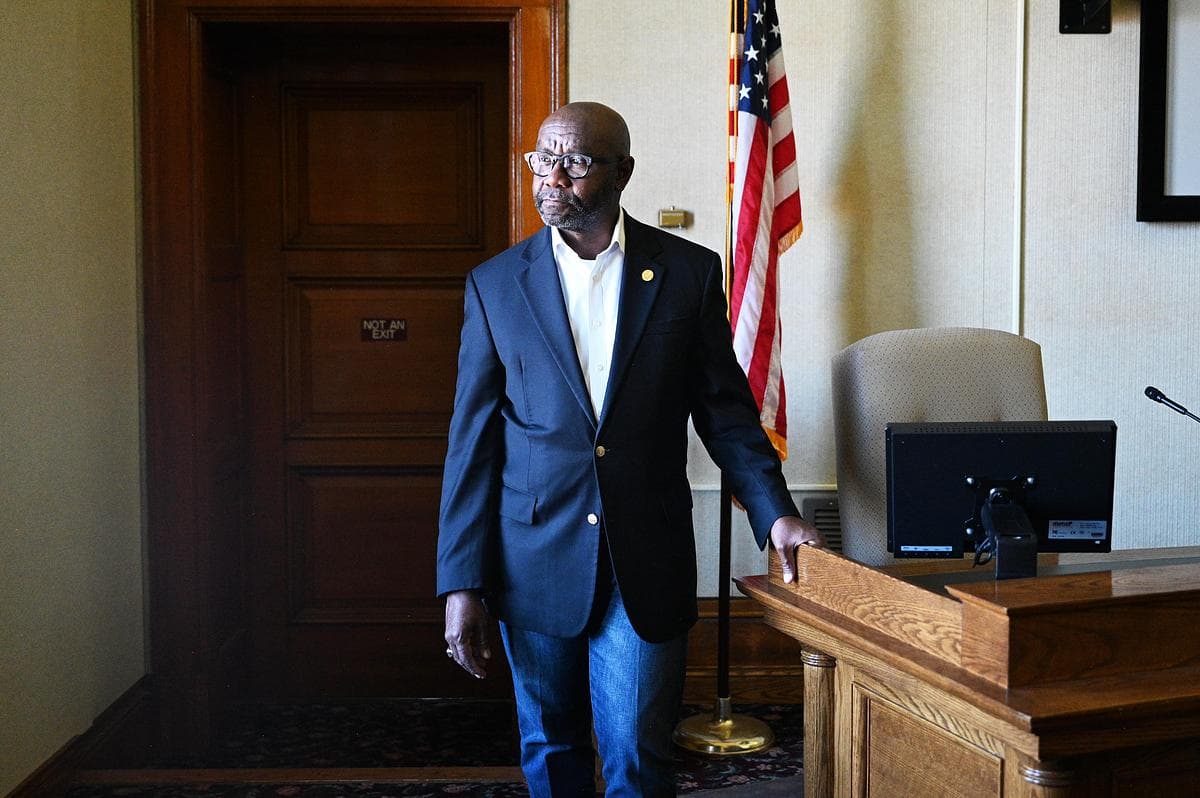
Wilmot Collins, Helena’s first Black mayor and a refugee from Liberia who arrived in the United States in the 1990s, will step away from city government on December 29 and hand the office to Commissioner Emily Dean, whom he endorsed. Collins framed his decision as rooted in the institutional limits of Helena’s mayoral post, saying that the position lacks the decision making authority present in many other cities and that the mayor effectively carries one vote on the city commission.
The announcement came in the wake of a July 1 immigration detention that inflamed public concern. Law enforcement from Helena and Lewis and Clark County assisted federal immigration officers in taking Christopher Martinez Marvan, a Mexican citizen who had been living with his family in Helena since 2008, into custody. One week after the detention, residents and immigration advocates demanded assurances that the city police would not participate in detaining immigrants, and several attendees directly criticized Collins for his response. One resident told the mayor, "I think your position was weak considering your status as an immigrant and as a man of color. It’s your duty to do more to protect your citizens."
Collins acknowledged that criticism and contested the premise that he had endorsed federal action. He said, "It bothers me to the core that people would think that me, as a former refugee and as an immigrant, would approve of anything other than the right thing, the honorable thing to do, the humanitarian thing to do." He also pointed to structural constraints, noting that the city lacks authority to alter federal enforcement and saying, "So when people say, 'You as a refugee and immigrant, you want the federal government to come here?' That’s not what I want, but what can I do?" He emphasized the limited policy levers of his office with the observation, "A lot of people blame the mayor for a lot of things. The mayor has one vote, like the commission. So there are lots of things the mayor can’t do."

During his tenure since taking office in 2017, Collins prioritized homelessness and affordable housing but found progress slow because of the need for consensus across the commission and coordination with county and state actors. The episode around the July detention crystallized broader questions for Helena about oversight of local law enforcement, the boundaries of municipal influence over federal actions, and how residents should hold elected officials accountable when authority is diffuse.
As Collins prepares to leave, the transition will test whether the city commission and incoming mayor can translate public concern into clearer policies on law enforcement cooperation, immigrant community protections, and housing strategies. The events of this year underscore the importance for voters and civic leaders to understand institutional roles, to clarify local policy on federal enforcement cooperation, and to engage in the municipal process that shapes how Helena responds to crises and resident expectations.
Know something we missed? Have a correction or additional information?
Submit a Tip