Helena refillery helps shoppers cut plastic waste with reusable containers
Helena’s new refillery lets shoppers reuse jars for soap and cleaner, cutting plastic waste with a habit that can fit into ordinary errands.
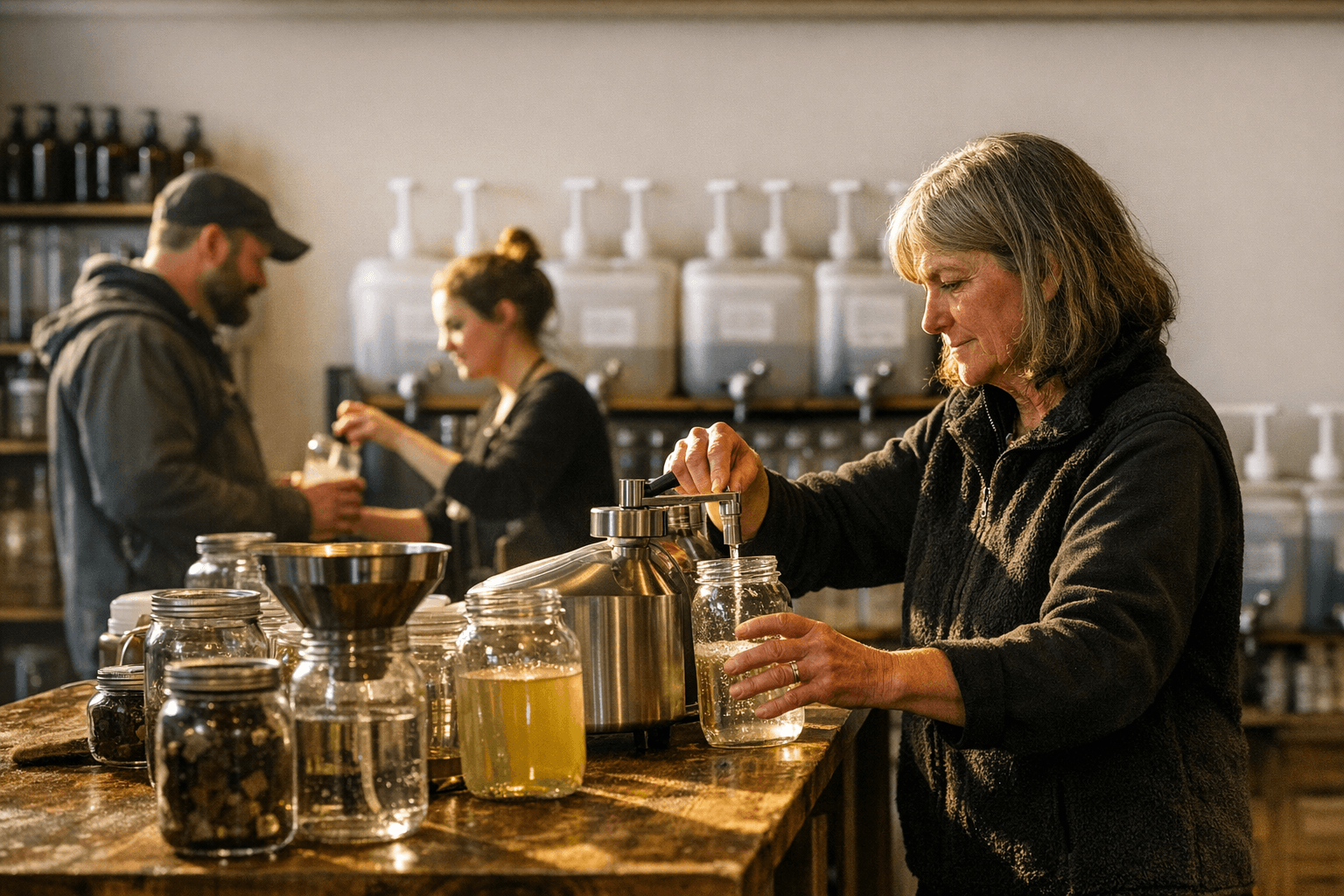
A refill run instead of another plastic bottle
The Good Find Refillery & Thrift Store is trying to make sustainability feel less like a statement and more like a normal stop in a week’s errands. Shoppers can bring a jar or bottle for shampoo, conditioner, soap, cleaner, toothpaste or detergent, and if they show up without one, the store can provide a container. That small detail matters because it lowers the barrier to entry: a reusable system only works if people can actually use it.
Clancy Jones, an employee, said the idea grows out of concern over how much waste people create without realizing it. His point is not just that plastic piles up; it is that households keep paying for the same packaging over and over again, even when the product inside is the part they really need. The refillery model tries to separate those two things, so the package does not come home with every purchase.
Why the waste numbers are hard to ignore
The store’s pitch lines up with a much larger problem. The United Nations Environment Programme says the world produces more than 400 million tonnes of plastic each year, and a separate UN report puts the share of plastics recycled at an estimated 9 percent. Another UNEP estimate says 19 to 23 million tonnes of plastic waste leak into aquatic ecosystems annually, with pollution reaching lakes, rivers, seas and oceans.
Those figures give Helena’s new shop a bigger significance than a niche eco-store with a local following. A single refill purchase will not solve global plastic waste, but it does target one of the most common sources of throwaway material: the container that comes with everyday household products. Shampoo, soap and detergent are not specialty buys; they are the kinds of items families purchase repeatedly, which makes them exactly the sort of products where small changes can add up.
Where the economics meet the environmental pitch
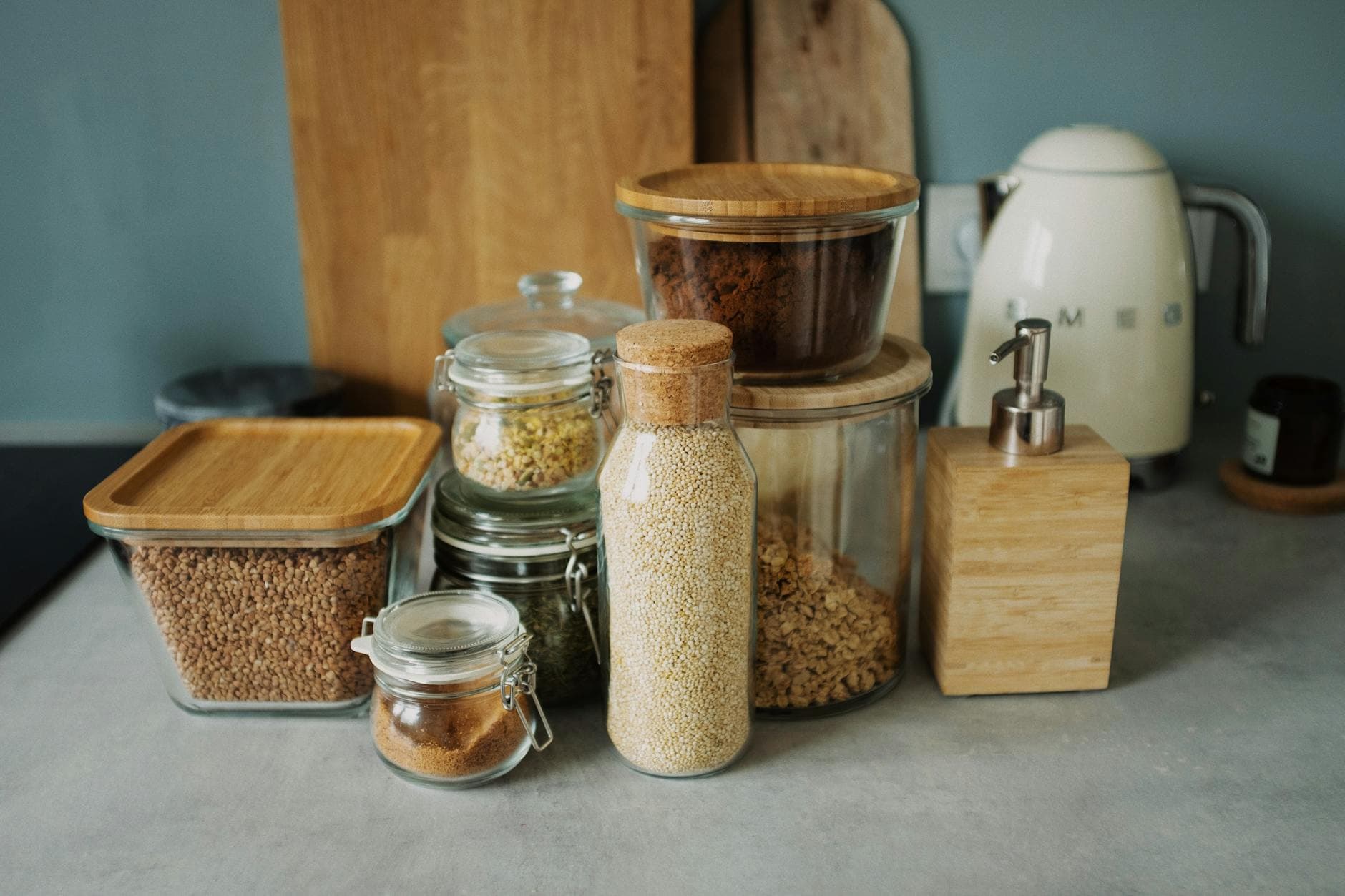
The store is also trying to make the money side of the argument as plain as the environmental one. Jones said the model is cost-effective because shoppers are not paying for all the extra packaging, and the same container can be reused for years. That is the key practical test for any refill shop: whether it can save enough in repeated packaging costs to feel like a real household habit instead of a one-time novelty.
For a family that remembers to bring the same bottle back again and again, the logic is straightforward. Conventional shopping bundles the product and the package together every time, while a refill purchase is aimed at buying mostly the contents. The convenience tradeoff is also clear: a refill stop takes a little more planning than grabbing a new bottle off the shelf, but the store tries to soften that friction by supplying a container when needed.
The thrift side broadens the same idea. Instead of treating every purchase as something new and disposable, the business asks shoppers to think in terms of reuse, repair and second life. It is a retail model built around a simple question that reaches beyond plastic: how many things in a home need to be brand new before they work?
A local fit in Helena’s waste system
Helena’s own waste system helps explain why a shop like this may resonate in Lewis and Clark County. Solid waste for the county is managed by the City of Helena Solid Waste Division through an interlocal agreement established in 2015, and the city says residents can bring household recycling such as cardboard, paper, glass, plastic, tin and aluminum cans to the transfer station at no additional cost. Refill shopping does not replace that system, but it fits neatly beside it by reducing the amount of waste that reaches the bin in the first place.
The city is also developing a waste-reduction strategic plan that aims for at least 50 percent solid-waste diversion from the landfill by 2040. That matters because it shows reuse and recycling are not just personal lifestyle choices in Helena; they are part of a broader policy conversation about how much material the community can keep out of the landfill. A refill store gives that goal a storefront version that people can use on a regular grocery run.
More than a feel-good message
The Good Find opened in Helena on April 2, 2026, and coverage of the shop quickly framed it as a practical way to cut daily waste. Its dual identity is part retail, part environmental message: it works with companies that prioritize sustainability, reuses shipping containers and donates some proceeds to clean-water efforts. That combination gives the business a wider reach than a single checkout counter, because each purchase is tied to a larger argument about how consumers can lower waste without giving up normal routines.
What makes the store worth watching is not simply that it is environmentally friendly. It is whether Helena households can turn refill shopping into an ordinary habit that competes with the convenience of grabbing another plastic bottle off the shelf. If that happens, the benefit is bigger than one store, because it turns sustainability from an abstract ideal into a repeatable choice built into daily life.
This article was produced by Prism’s automated news system from verified source data, official records, and press releases, then run through automated quality and moderation checks before publishing. The system is built and supervised by the people who set the standards it runs under. Read our full AI policy.
Did this article answer your question?