Helena roots shaped Sean O'Malley's path to White House fight night
Sean O'Malley’s White House fight night was more than spectacle. Helena’s boxing roots, family ties and hometown pride still shape how the city sees him.
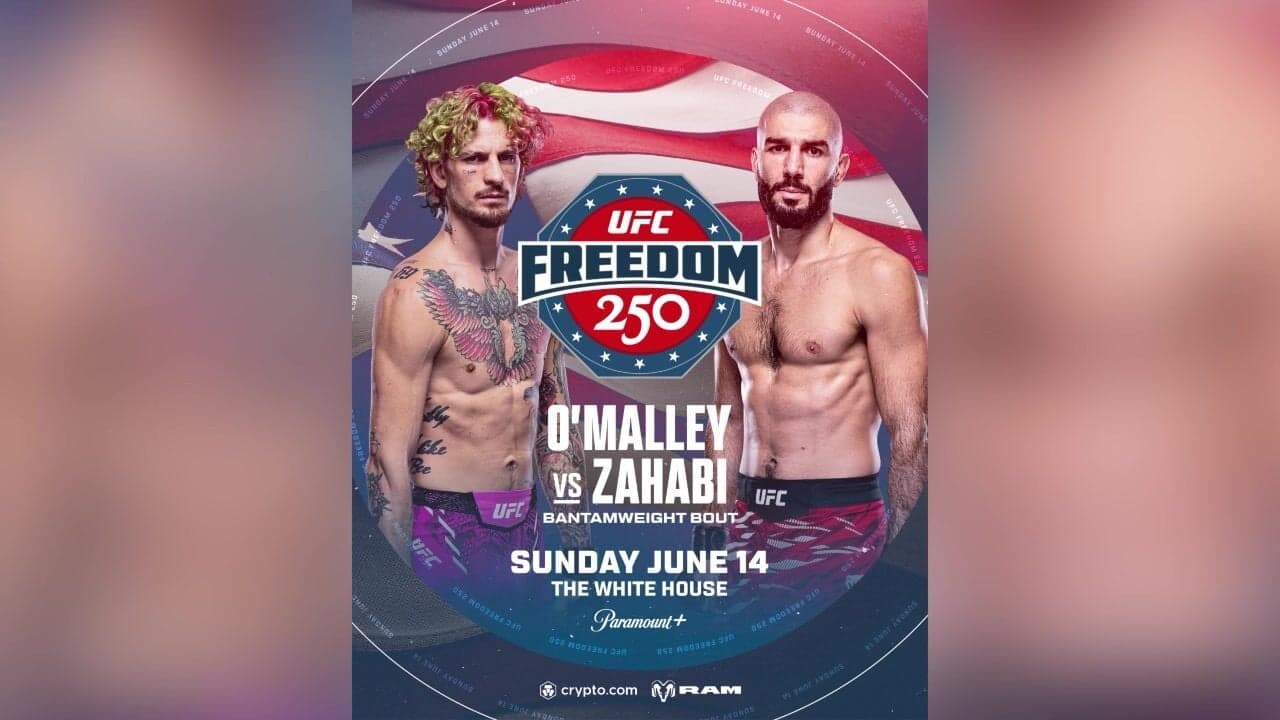
Sean O’Malley’s White House fight night was never just another title-card spectacle for Helena. For Lewis and Clark County, it became a reminder that one of the UFC’s biggest names still carries the capital city with him, even when the spotlight is set on the South Lawn and the audience is national.
Why Helena still claims O'Malley
The fight card, called UFC Freedom 250, was framed as a patriotic showcase and landed on President Donald Trump’s birthday, giving the event a political charge as well as a sporting one. Against that backdrop, O’Malley’s Montana story stood out as the human thread, the part of the night that connected a presidential backdrop to ordinary hometown roots.
That connection matters in Helena because O’Malley is not treated locally as a distant celebrity who happened to pass through. His rise has become part of the city’s identity, the kind of story people tell to explain what Helena can produce when talent, timing and support line up. The fight night only sharpened that feeling, because the man on the South Lawn was still, in the eyes of many locals, the same kid who came up in the capital city.
The piece built around his White House appearance makes clear that Helena’s role in his career is not decorative. It is the organizing fact that explains where he came from, why people here still follow his fights closely and why his image continues to resonate long after he left for bigger stages.
The family story behind the fighter
A big part of that story comes through Dan O’Malley, Sean’s father, who still lives in Helena. He describes his son as naturally gifted, smaller than many teammates but unusually quick and powerful, the kind of athlete who could stand out even when he was not the biggest body in the room. That combination, Dan says, helped set Sean apart early and hinted at the path he would eventually take.
Dan O’Malley also describes a child who wanted a one-on-one sport, a place where his own talent mattered more than the team structure around him. That preference mattered. It pushed Sean away from organized team sports and toward combat sports, where individual skill, timing and conditioning would become the foundation of a professional career.
The family perspective gives the White House fight night a more grounded meaning. Sean is now a fighter on national and international stages, but his father’s account keeps him tied to Helena in a direct, personal way. The story is not just about fame. It is about a family that still sees itself as part of the city, even after years of travel, big bouts and national attention.
Dan also talks about the pressure of performing for huge audiences. He points to an earlier championship fight watched by millions and says Sean wanted to do right by Montana when he stepped onto the White House lawn. That detail matters because it shows how the state is still part of the fighter’s internal script. For him, the Montana identity is not an afterthought placed on a broadcast graphic. It is something he carries into the cage.
How Helena boxing helped launch the career
The clearest local link in Sean O’Malley’s rise came through boxing practice in Helena with a Golden Gloves boxer who lived in the North Valley hills. That connection is a reminder that sports pipelines are often built through informal mentorship before they are built through institutions. One local adult, one gym connection and one willing young athlete can redirect a career.
In O’Malley’s case, that early boxing work appears to have been one of the key forks in the road that shaped his life. The move from team sports to combat sports did not happen in abstraction. It happened through a Helena-based connection that gave him a chance to test his own speed and power in a setting built around individual performance.
For Lewis and Clark County, that is the most concrete part of the story’s long-term significance. It shows how youth sports here can still produce elite-level talent when local mentorship meets raw ability. Even though Sean’s fights now happen far from Helena, the route he took began with a local boxing relationship and a willingness to leave the safer, more familiar path of organized team sports.
What his success means for Lewis and Clark County
The question for Helena is whether O’Malley’s rise amounts to symbolic pride or measurable impact. The available story points most strongly to symbolic and cultural effects, but those are not trivial. People in Helena still follow his fights closely, and his Montana upbringing remains central to how he is understood by fans back home.
That ongoing attention has real civic value. It gives the city a high-profile sports figure whose career reflects the kind of toughness, independence and local loyalty many residents like to associate with Helena. It also reinforces the idea that smaller cities can produce athletes who reach the sport’s biggest stages without severing their ties to where they came from.
What the account does not show is a hard economic tally. There is no documented countywide revenue boost or quantified business surge in the material provided. Still, O’Malley’s presence on a national stage does something more subtle but still meaningful: it keeps Helena in the conversation, attaches the city’s name to a fighter with a growing profile and offers a visible example for the next generation of kids looking for a path in combat sports.
In that sense, the White House fight night was bigger than a single bout. It was a reminder that Helena’s influence can travel farther than its size suggests, and that a capital-city kid can still walk into the sport’s grandest setting with the North Valley and the rest of Lewis and Clark County behind him.
This article was produced by Prism’s automated news system from verified source data, official records, and press releases, then run through automated quality and moderation checks before publishing. The system is built and supervised by the people who set the standards it runs under. Read our full AI policy.
Know something we missed? Have a correction or additional information?
Submit a Tip