Helena students learn chicken life cycle with new agriculture grant
A new agriculture grant put an incubator in a Prickly Pear Elementary classroom, letting Helena second-graders watch chicks hatch and track the chicken life cycle up close.
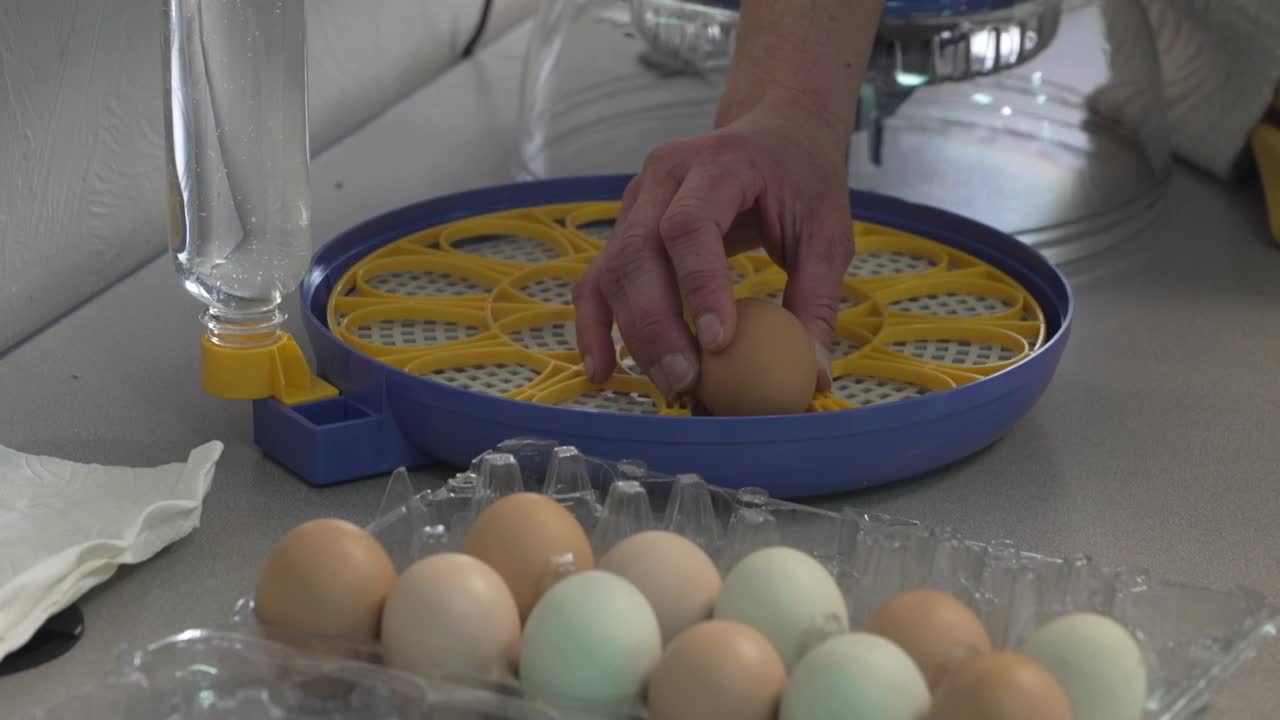
A small grant at Prickly Pear Elementary gave second-grade teachers Nikki Odegard and Kara Petersen a better incubator, and with it a more reliable way to teach Helena children how living things develop. In a classroom in East Helena, students tracked eggs through the hatching process, watched for changes day by day and learned why temperature and humidity matter when a chick is growing.
The project came through the first round of the Explore Agriculture Classroom Grant, a Montana Stockgrowers Foundation program that distributed $3,000 across six Montana schools. Each award can provide up to $500, with matching funds from Montana Ag in the Classroom, and the foundation said the grants were expected to help an estimated 450 students better understand Montana agriculture.
Petersen said she had been doing chicken-hatching lessons for years, but the older incubator she inherited from her mother had trouble keeping the right heat and humidity. The new funding improved the setup and made the lesson more dependable, which matters in a project where a missed setting can affect whether the eggs hatch at all. For Prickly Pear students, the lesson linked biology to a living process they could follow over time rather than a page in a textbook.
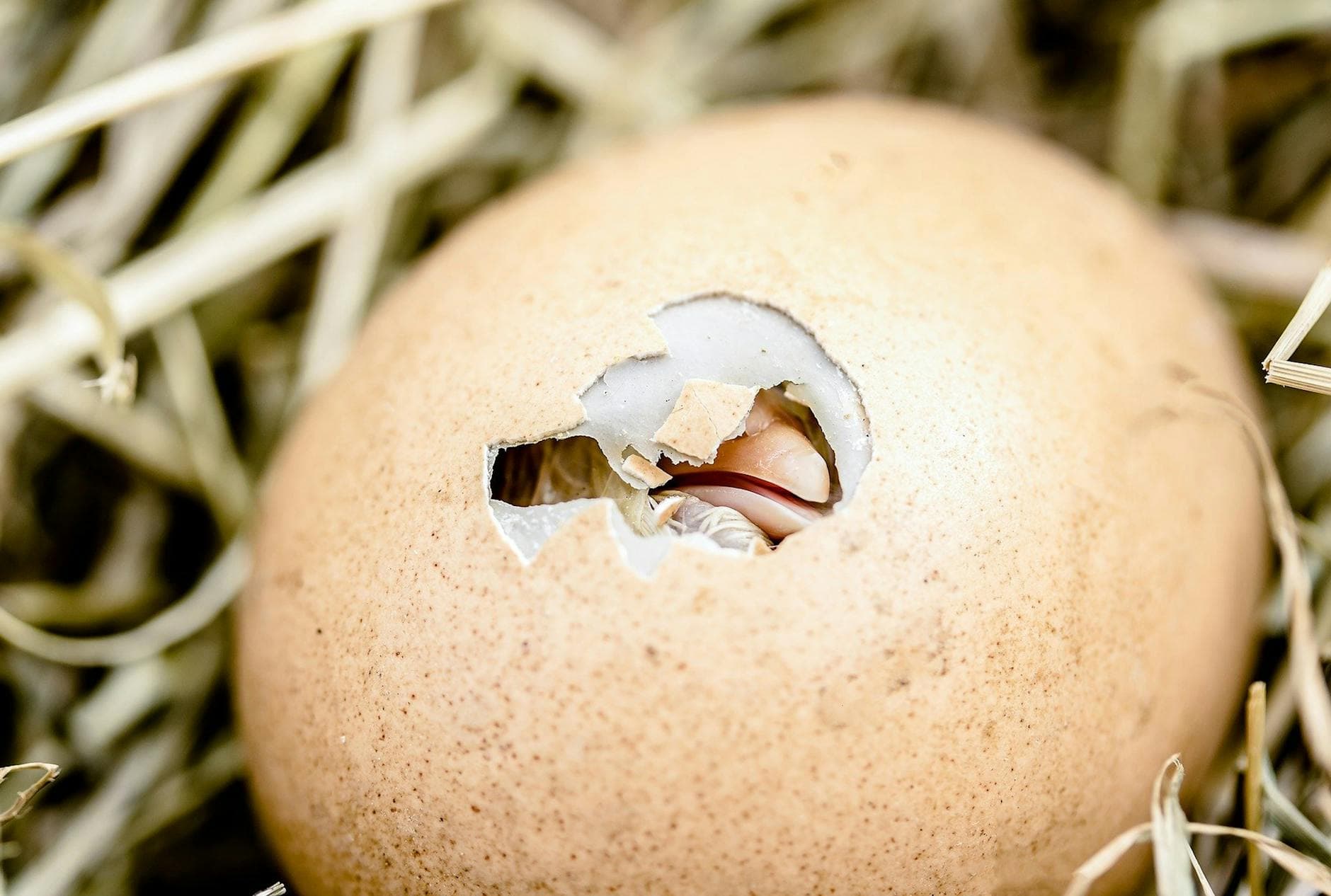
The teachers said the work also taught responsibility. Students were not only making predictions and observing the development of the chicks, they were learning what it means to care for a living creature and stay with a process until it is finished. The Montana Department of Agriculture says Agriculture in the Classroom is designed to provide standards-based, “hands on, minds on” learning and to encourage critical thinking about agriculture’s role in tomorrow’s world.
That broader goal fits Montana’s economy and identity. USDA/NASS says wheat and hay are among the state’s top crops by value of production, while NASDA says cattle and wheat remain Montana’s largest commodities and together account for three-fourths of the state’s agricultural cash receipts. In a state where agriculture still shapes daily life, the lesson at Prickly Pear was less about novelty than about connecting early science instruction to the systems that produce food and support rural communities.
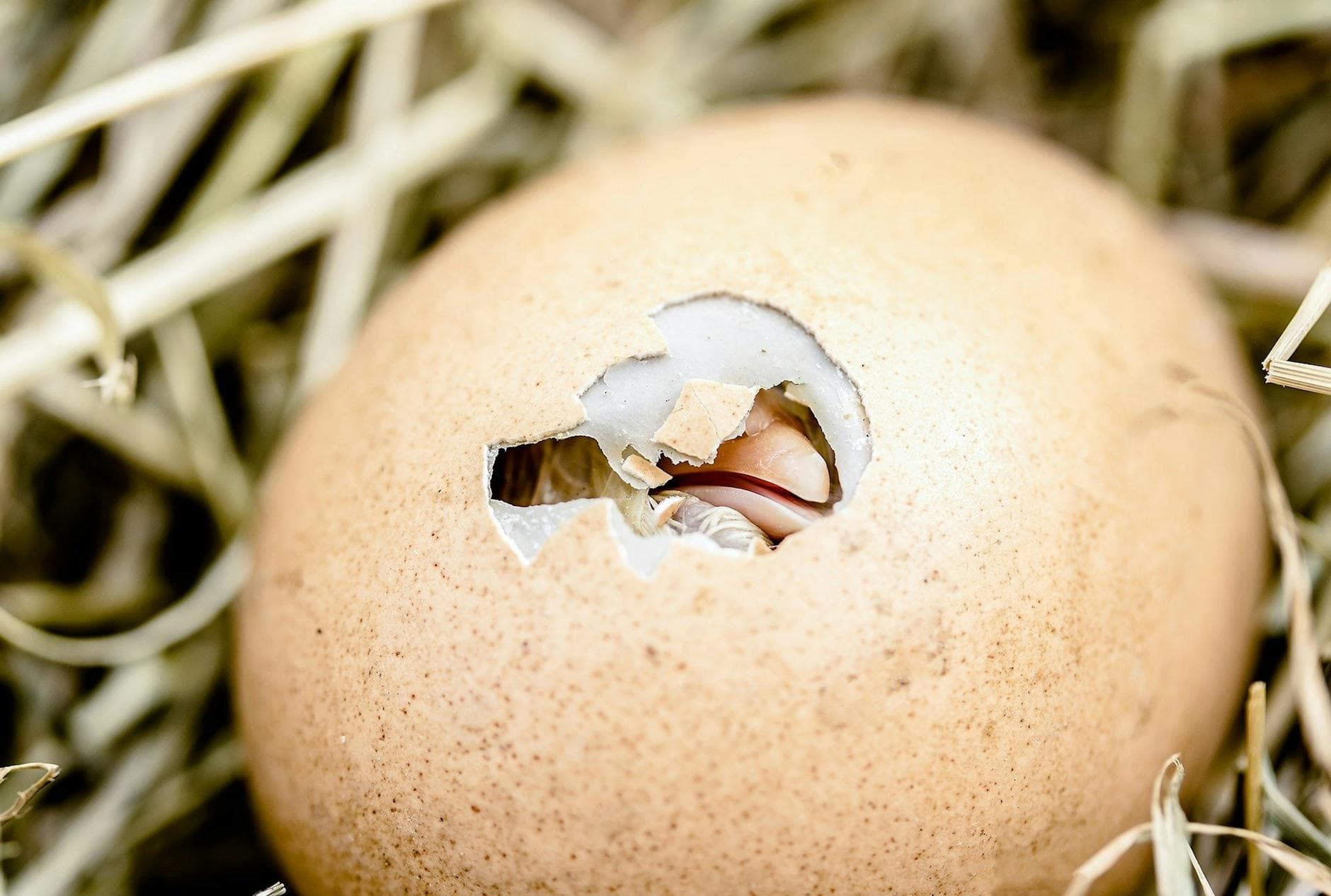
Prickly Pear Elementary serves about 285 students in grades 1-2 in East Helena, a fringe-rural community in Lewis and Clark County. The grant showed how a relatively small investment can bring real-world agriculture into an elementary classroom, and it raised a larger question for schools across the county: whether hands-on agricultural education will stay a one-off enrichment project or become a model other teachers can build on.
This article was produced by Prism’s automated news system from verified source data, official records, and press releases, then run through automated quality and moderation checks before publishing. The system is built and supervised by the people who set the standards it runs under. Read our full AI policy.
Did this article answer your question?