Helena students learn water conservation through trout classroom program
Six Helena-area schools are raising trout in class, turning a science project into a lesson about the water, habitat, and fisheries families across Lewis and Clark County depend on.
A classroom lesson with real water stakes
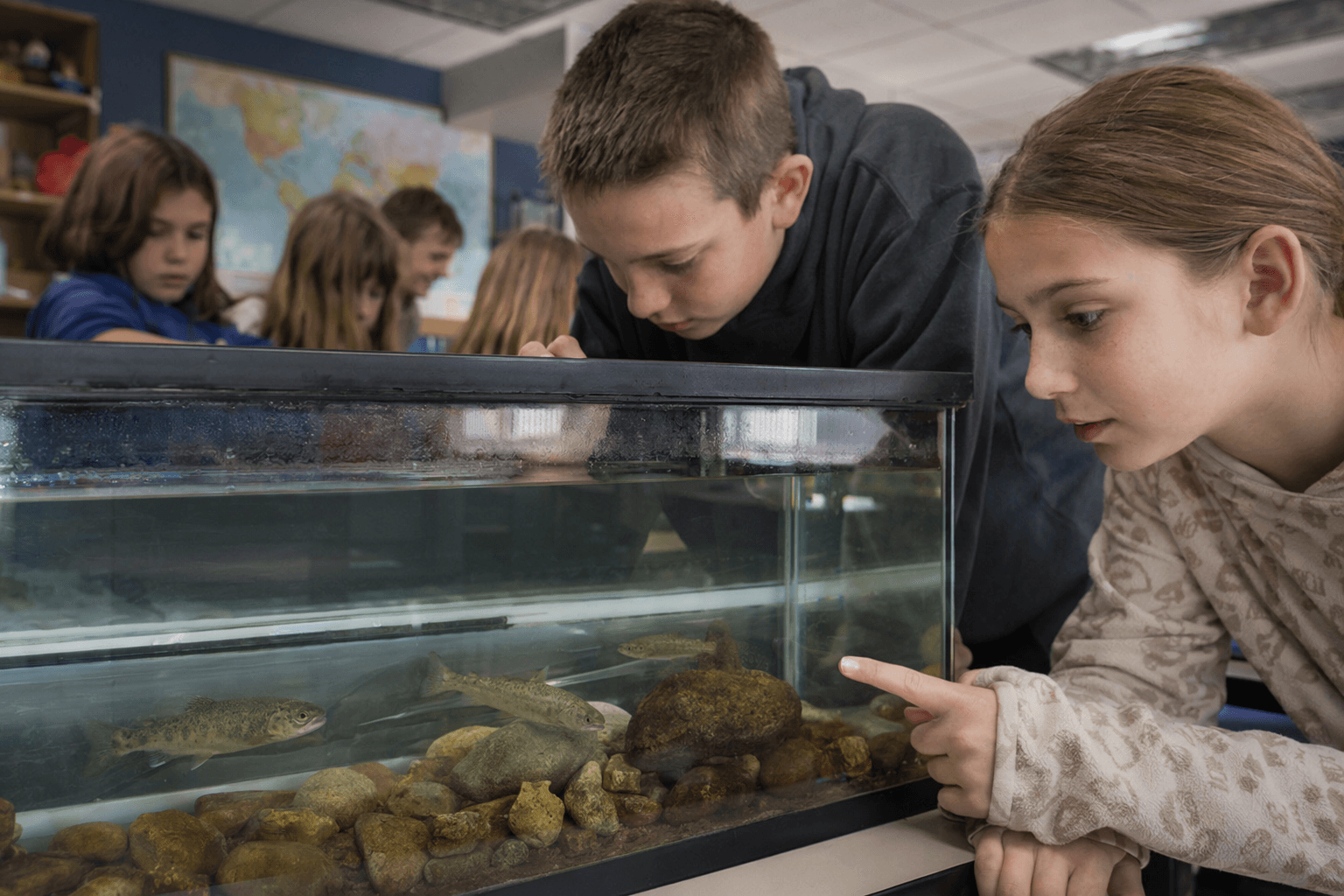
Six Helena-area schools are now raising trout as part of Trout in the Classroom, a hands-on science program that links everyday lessons to the health of local water. In Lewis and Clark County, the project is doing more than filling fish tanks. It is teaching students why clean, cold water matters to the streams, fisheries, and habitats that shape life around Helena.
The work is unfolding in 13 classrooms in and around Helena, according to Pat Barnes Trout Unlimited, which says it runs the largest Trout in the Classroom effort in Montana. Earlier reporting from KTVH counted 12 fish tanks in several schools in Helena and East Helena, a sign that the program has grown as more teachers and students have gotten involved.
How the trout tanks teach conservation
The appeal of Trout in the Classroom is its simplicity. Students care for fish eggs, track water conditions, and watch trout develop over the school year. That process gives them a direct, observable way to learn about biology, ecology, and environmental responsibility without relying only on a textbook.
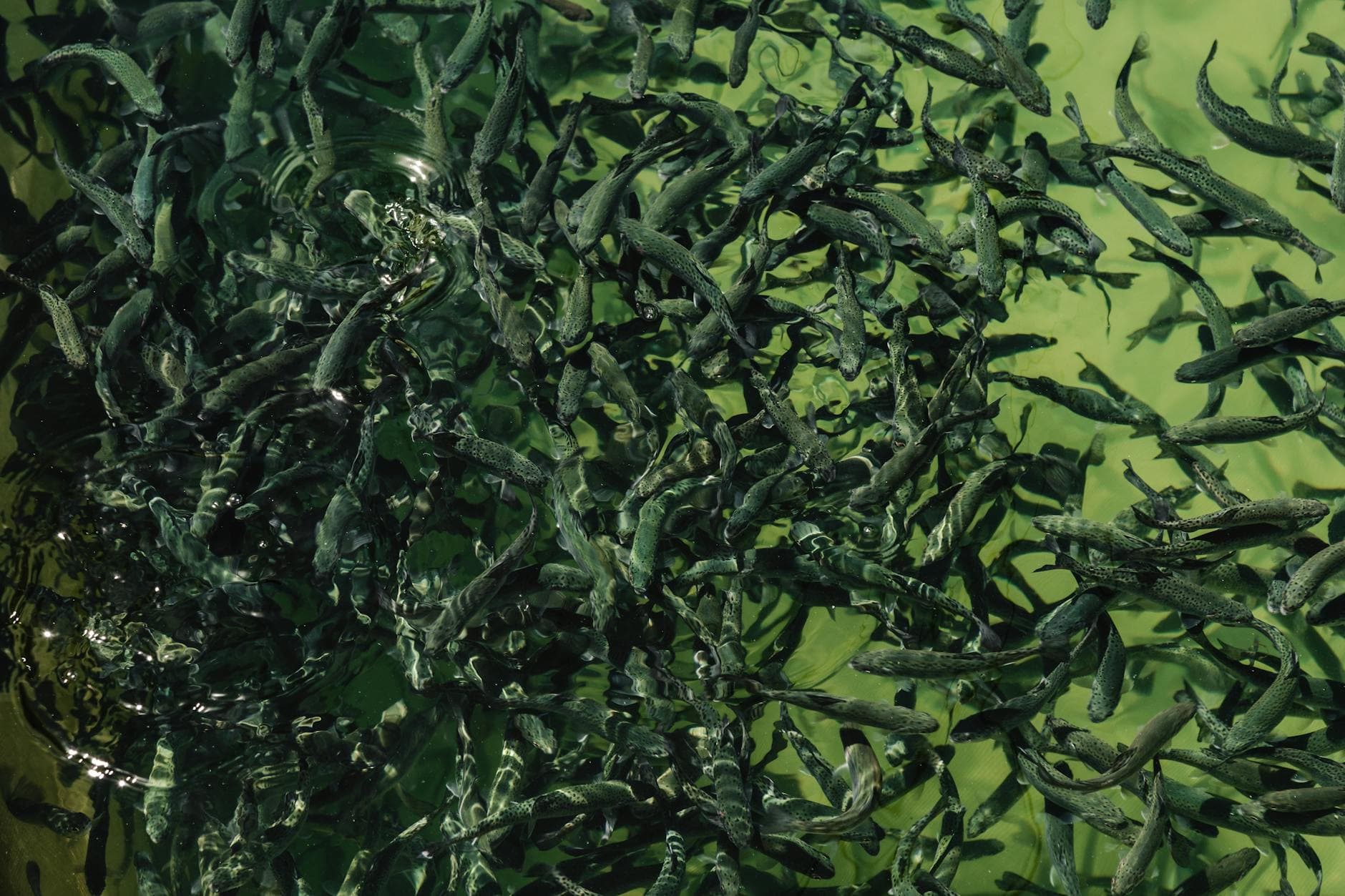
Trout Unlimited describes the program as a stewardship gateway. Students do not just raise fish, they monitor water quality, study habitat, and eventually release fingerlings into nearby waters. That final step is important because it turns classroom work into a live connection between what students learned and the aquatic systems outside school walls.
The lesson goes beyond trout. Students see that water quality affects living systems all the way up the chain. If the water is off, the fish feel it first, but the effects reach habitat health, aquatic insects, and the broader ecosystem that supports healthy fisheries.
Why Helena families should care
This program lands in a place where water is not abstract. Helena residents use local lakes, streams, and fisheries for recreation, education, and stewardship, and the health of those waters depends on conditions students are learning to recognize now. The project makes a basic point concrete: if fish need clean, stable water to survive in a classroom tank, the same principle applies to the waters that support fish in the wild.
That connection is especially clear at Spring Meadow Lake, which local conservation materials describe as the Helena program’s release site and a closed-system put-and-take fishery. Releasing fingerlings there ties the classroom experience to a place many residents know, while reinforcing the idea that fish habitat is something people can protect, not just enjoy after the fact.
The result is a science lesson that carries civic weight. Students are learning that water quality is not a distant policy issue. It affects real places, real species, and the health of resources families use and value.
The network behind the program
The Helena effort is not happening in isolation. In Montana, Trout in the Classroom is facilitated through a partnership involving Trout Unlimited chapters, other conservation nonprofits, and Montana Fish, Wildlife & Parks. That structure gives the program durability and local reach, because it depends on a broader conservation network rather than on a single school or teacher.
Pat Barnes Trout Unlimited, listed by Trout Unlimited as Chapter 055 and tied to Helena, is central to the local effort. Montana Trout Unlimited says the state organization has 13 local chapters and about 4,500 members, which helps explain how the Helena program can draw on volunteers, educational partners, and conservation expertise. The chapter also works with community volunteers and educational partners, including Last Chance Fly Gals, to build more opportunities around fly fishing and aquatic education.
That support matters because Trout in the Classroom is not a one-day demonstration. It takes equipment, monitoring, and steady attention across the school year. The local network makes it possible for students to stay engaged long enough to see the trout develop and understand why the release matters.
A Montana program with national reach
Helena’s version of the program is part of something much larger. Trout Unlimited says Trout in the Classroom has been in classrooms for more than three decades, reaches more than 100,000 students annually, and operates in around 35 states with more than 5,000 classrooms participating each year. That scale shows the program is built around a tested idea: students learn conservation best when they can observe it, measure it, and connect it to a living system.
A 2026 Montana Public Radio report on a similar Trout in the Classroom effort in the Bitterroot Valley pointed to the same broader value, describing the program as a partnership that helps students learn fisheries care and aquatic stewardship. The Helena program fits that pattern. It is local, but it is also part of a statewide and national model that treats aquatic education as an early step toward long-term stewardship.
What the classrooms are really teaching
The strongest part of Trout in the Classroom is not the fish themselves, but what the fish teach. Students are learning that ecosystems are connected, that water quality matters, and that conservation is built through everyday choices and habits. Those are lessons many adults understand only after seeing damage happen.
In Helena, six schools are turning that idea into practice, and 13 classrooms are carrying the work forward. The program gives students something tangible to protect and, in the process, helps build a generation that understands the value of the waters Lewis and Clark County depends on.
This article was produced by Prism’s automated news system from verified source data, official records, and press releases, then run through automated quality and moderation checks before publishing. The system is built and supervised by the people who set the standards it runs under. Read our full AI policy.
Did this article answer your question?