Helena tour train brings gold-rush history to life
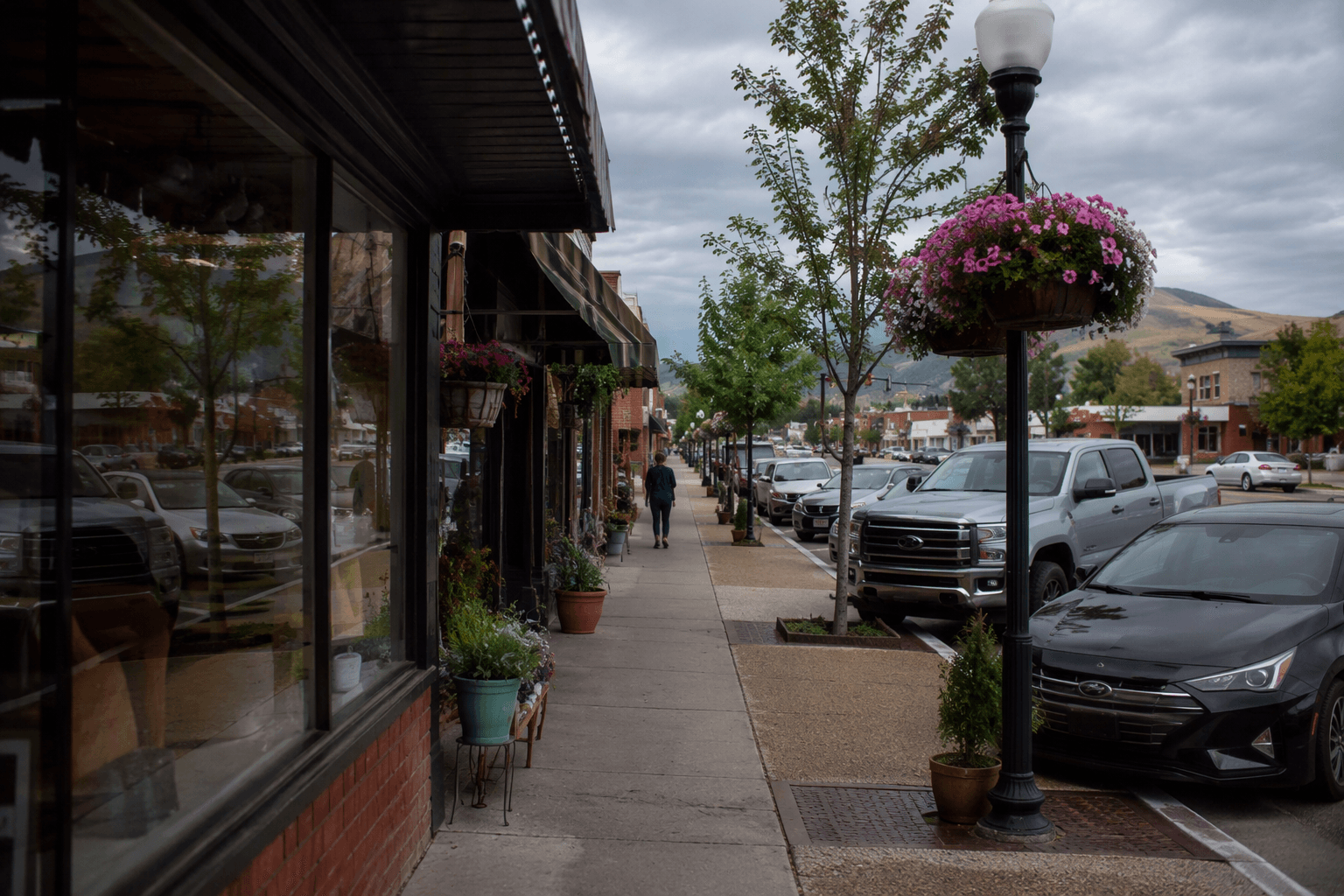
Helena's Last Chance Tour Train turns gold-rush history into a one-hour downtown loop, pulling riders past Reeder’s Alley, the cathedral and Main Street landmarks.
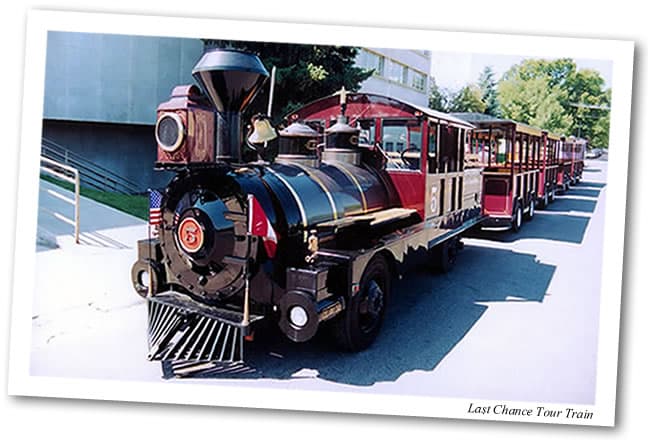
The Last Chance Tour Train turns Helena’s gold-rush story into a downtown experience that still has real economic weight. The one-hour ride starts at the Montana Historical Society Building at 6th and Roberts in the Capitol Complex, then threads past some of the city’s most recognizable landmarks, keeping visitors in the heart of town long enough to notice what surrounds them.
Why the train matters to downtown Helena
Last Chance Tours describes the service as historic tours of Helena aboard open-air tour trains, and the company calls it “The Fun Way To See Historic and Beautiful Helena, Montana!” That pitch works because the ride is not just about scenery or nostalgia. It gives visitors a ready-made way to connect the city’s mining-era past to the present-day blocks where they shop, eat and walk.
Tourism listings from Visit Montana, Visit Helena Montana and Southwest Montana place the train among Helena’s signature visitor stops, and Southwest Montana describes it as a summer favorite among locals and visitors. That matters in a city where visitor season brings more activity to downtown businesses, and where a short tour can turn a pass-through stop into a longer stay on Last Chance Gulch and the surrounding streets.
What riders see from the open-air cars
The route is built around the landmarks that tell Helena’s story in physical form. Last Chance Tours says the train passes through the opulent mansion district, the Cathedral of St. Helena, the governor’s homes and a restored miners’ village. Another tourism listing adds Reeder’s Alley, the authentic Pioneer Cabin built in 1864, the Old Fire Tower and downtown Helena itself.
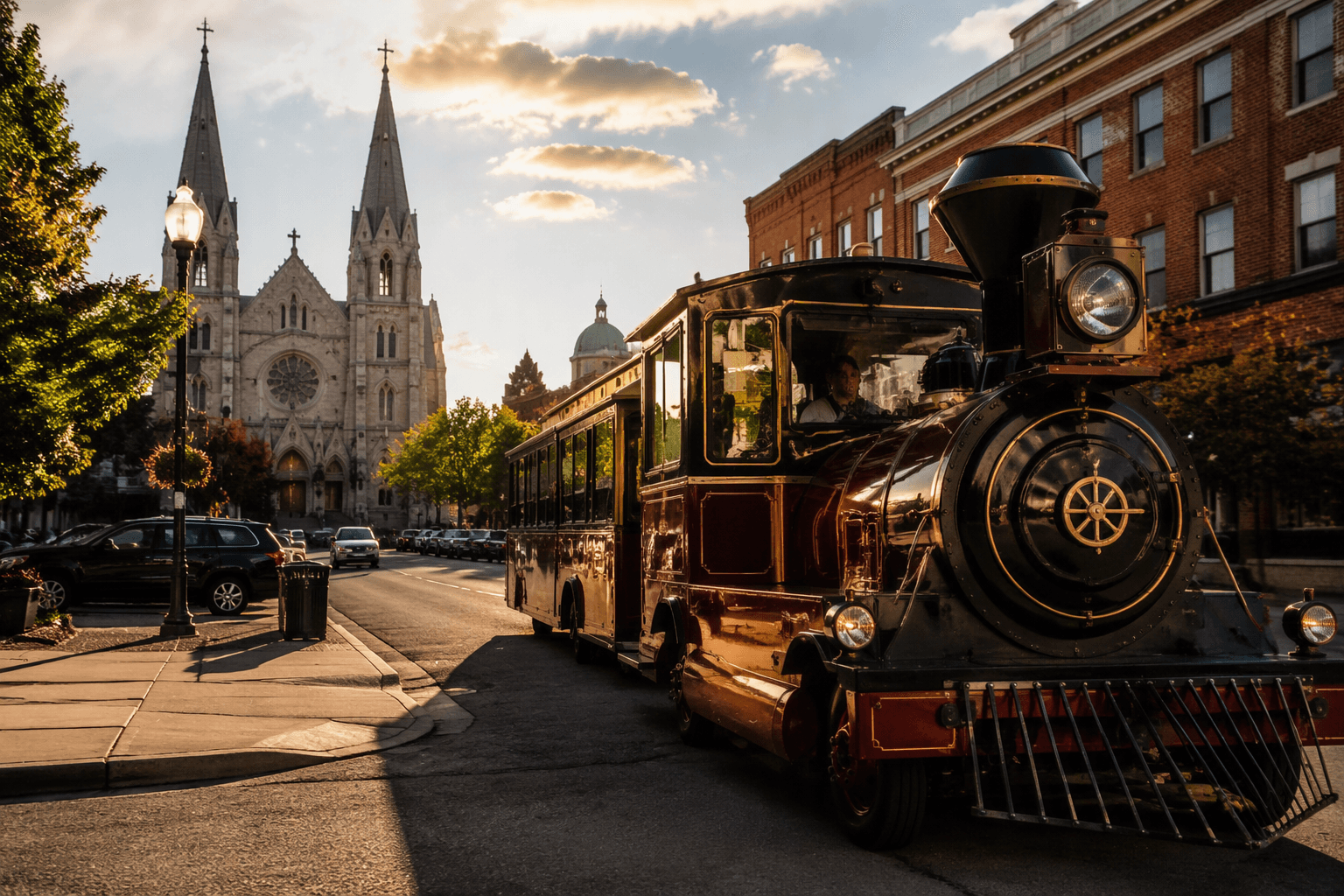
Those stops are important because they show how the city’s identity is layered into its streets. Reeder’s Alley and the Pioneer Cabin connect directly to Helena’s mining-era beginnings, while the cathedral and the mansion district show how that frontier camp grew into a state capital with architecture and institutions that still anchor the city center.
How the tour fits into a visitor itinerary
The brochure says each tour lasts one hour, which makes the train easy to fit between lunch, a museum visit and time on the downtown sidewalks. Trains leave from the Montana Historical Society Building at 6th and Roberts in the Capitol Complex, specifically at 225 N. Roberts, Helena, MT 59601, so the boarding point itself sits inside the historic core.
The published season schedule shows service Monday through Saturday with Sunday closed. It lists June 1 through September 15 as the season, and notes that July and August have more departure times than early June and September. The attraction’s site also promotes booking and gift cards, which helps explain why the train functions as both a sightseeing stop and a planned part of a summer day in Helena.
The gold-rush origin story behind the ride
Helena’s appeal is rooted in a boom that began when miners discovered gold on October 30, 1864. That discovery launched the town that became a frontier camp, then a mining center, then the state capital, and the tour train uses that arc as its main narrative.
The company says its trained guides share Helena’s history, so the ride works as more than transportation between landmarks. It becomes a guided interpretation of the city’s early growth, with Last Chance Gulch serving as a reminder of the gold camp era that shaped the street grid, the neighborhoods and the civic buildings riders see today.
Who the train speaks to now
The strongest part of the Last Chance Tour Train is how easily it serves both visitors and people who already live here. Residents can ride it to see familiar blocks in a new sequence, while tourists get a compact introduction to the city’s historic core without leaving downtown. That blend of local utility and visitor appeal is why the train remains visible in Helena’s summer travel season.
It is a small attraction, but it does several jobs at once: it keeps people downtown, it turns heritage into an itinerary, and it gives Helena a story that is easy to carry from the Capitol Complex to Last Chance Gulch. In a city built on mining, rail connections and government, the train keeps that history moving through the present.
This article was produced by Prism’s automated news system from verified source data, official records, and press releases, then run through automated quality and moderation checks before publishing. The system is built and supervised by the people who set the standards it runs under. Read our full AI policy.
Did this article answer your question?