Helena transit faces $200,000 shortfall, possible service cuts
A $200,000 transit gap could hit Helena riders who rely on buses for work, medical visits and groceries, forcing city leaders to weigh cuts or other fixes.

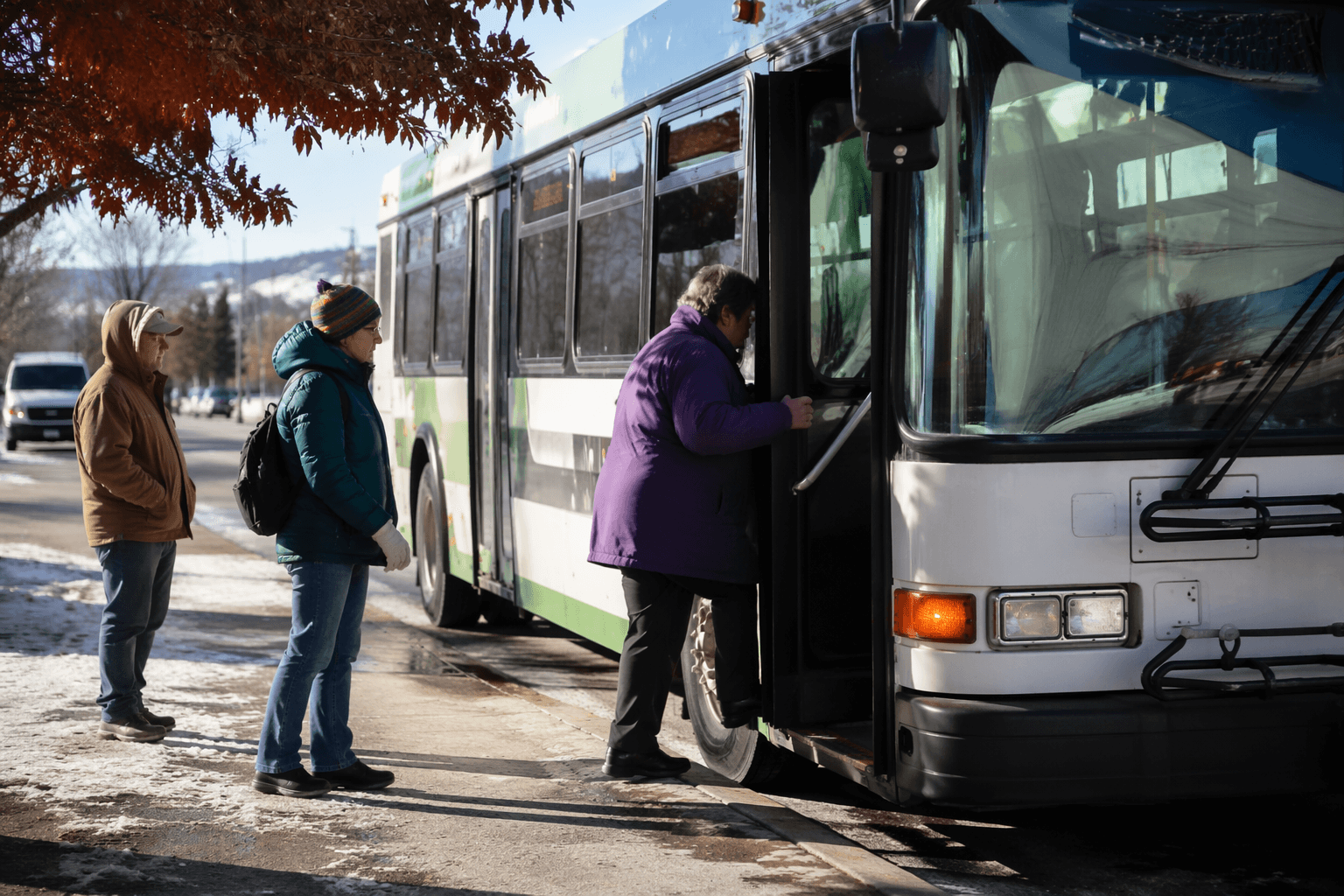
Helena’s public transit system is staring at a roughly $200,000 hole, and the riders most exposed are the ones with the fewest alternatives: workers without cars, older adults, people with disabilities and residents who depend on the bus for basic errands. Capital Transit carries people within Helena city limits and on limited East Valley and East Helena runs, so any service cut would quickly affect jobs, medical appointments, grocery trips and access to downtown services.
Capital Transit now runs fixed-route buses Monday through Friday from 6:30 a.m. to 6 p.m. The East Valley and East Helena service runs from 8 a.m. to 10 a.m. and again from 2 p.m. to 4 p.m. The city also provides ADA curb-to-curb paratransit for people who cannot independently use fixed-route service, and Helena no longer uses the old “dial-a-ride” label for that service. For riders who need advance booking, the current one-way fare is $3 when reserved one day ahead and $5 for same-day booking.
The pressure on the system did not appear overnight. Helena raised transit fares effective Oct. 2, 2023, and city officials said that was the first increase since 1979, after more than four decades at 85 cents per ride. That history shows how little flexibility the city has had to rely on the fare box, even as operating costs and demand have changed.
The broader stakes reach beyond the transit department. The Montana Department of Transportation says fixed-route transit in Helena and six other Montana cities is meant to help people get to work, shop, see family, reach medical care and travel for other necessities. Helena’s transit structure has also been described as thinner than the systems in other major Montana cities, which have publicly funded service that combines fixed routes with door-to-door transportation for people with disabilities. In that context, a service reduction would not just trim schedules. It would narrow access for riders already living on the edge of the system.
City leaders have already received more than $4 million in transportation-planning grants, showing that Helena has been thinking about its mobility network beyond the immediate budget squeeze. The current question is whether officials can use that broader planning, along with other funding choices, to preserve service before the shortfall turns into fewer buses, fewer trips and fewer options for the people who rely on Capital Transit most.
This article was produced by Prism’s automated news system from verified source data, official records, and press releases, then run through automated quality and moderation checks before publishing. The system is built and supervised by the people who set the standards it runs under. Read our full AI policy.
Did this article answer your question?