Helena's Walking Mall reflects downtown history, shopping and dining
Helena’s Walking Mall grew out of a gold strike and still anchors downtown shopping, dining and planning, with a pedestrian block that shapes how Last Chance Gulch works today.
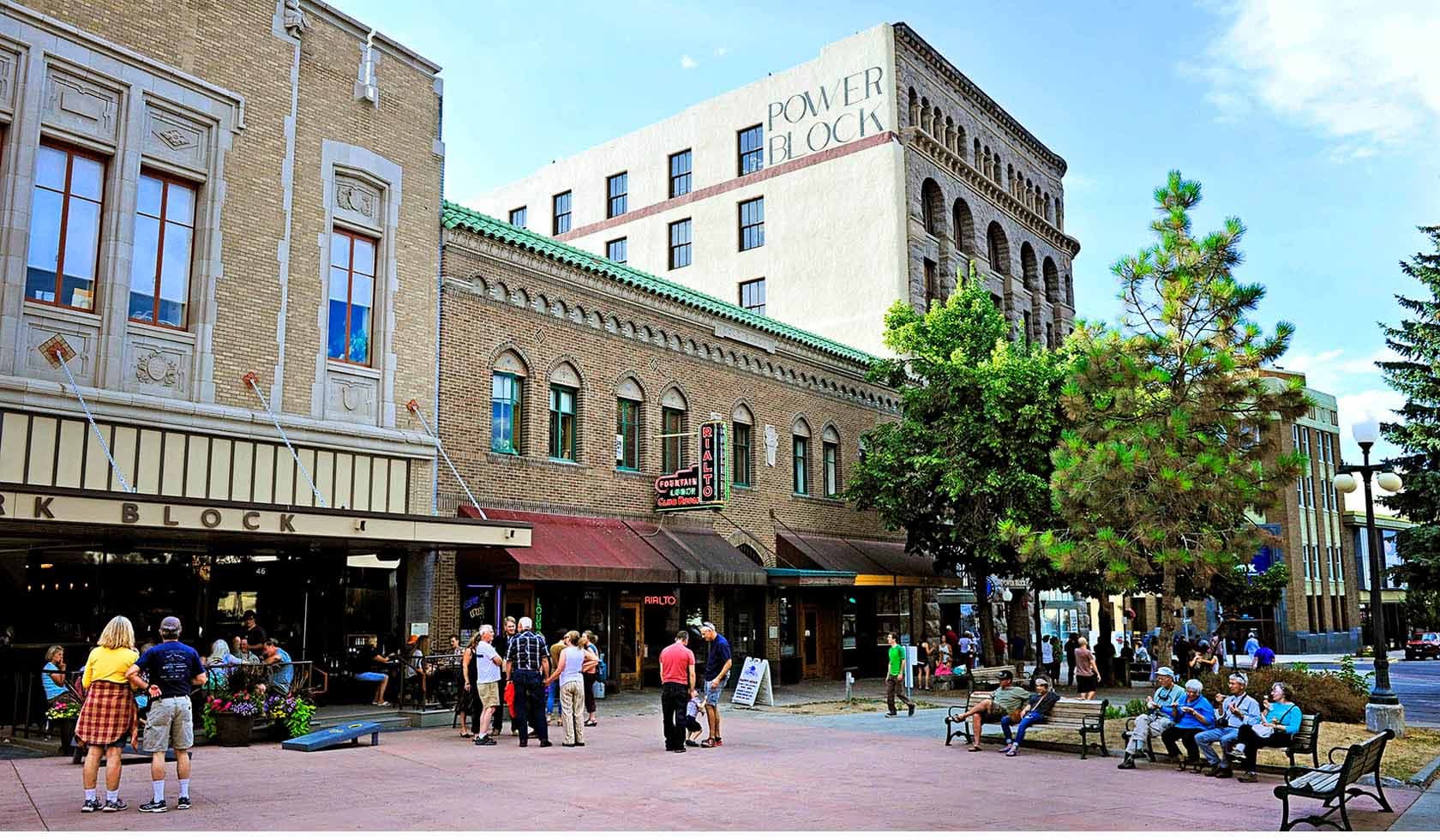
Helena’s Walking Mall is one of the clearest places to see how the city’s mining past still shapes downtown commerce. The block is built on Last Chance Gulch, the corridor where gold was discovered in 1864, and south of 6th Avenue it shifts from street to pedestrian mall, changing how people move, linger, shop and gather.
A downtown street built from a gold discovery
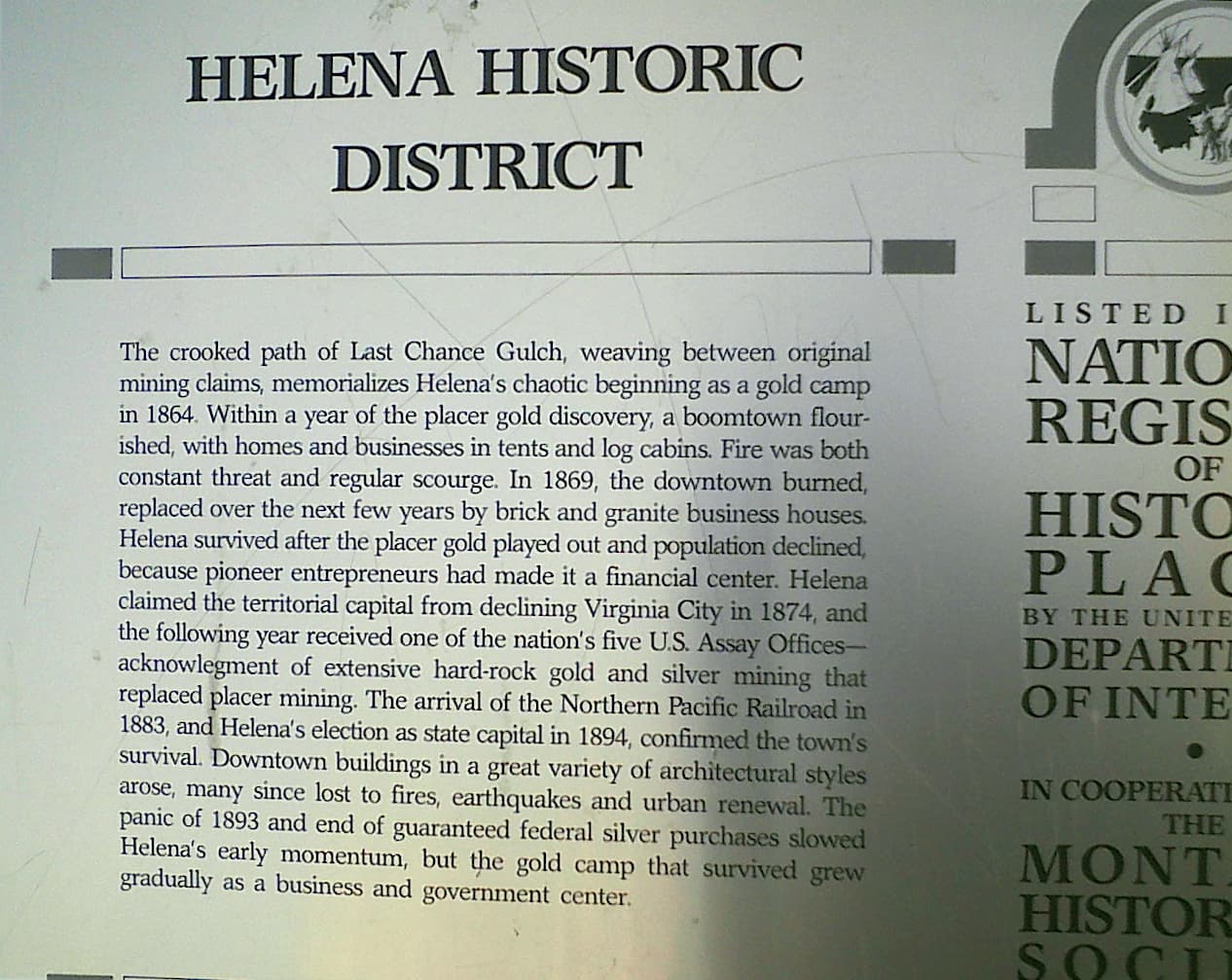
Last Chance Gulch is not just a name on a sign. It is the actual gulch where Helena’s origin story began, with gold discovery tied to 1864 and one historical source placing the strike on July 14 of that year. Another account says four prospectors, later known as the Four Georgians, made the strike that helped set Helena’s downtown in motion.
That early rush mattered in economic terms, not just local lore. One historical source says the Helena gold strike became the second biggest placer gold deposit in Montana and produced about $19 million of gold in four years. The city’s commercial core grew out of that mining landscape, with Prickly Pear Creek and the gulch terrain shaping where streets and business blocks could be built.
How Main Street became Last Chance Gulch
For decades, the main thoroughfare through downtown carried a simpler name: Main Street. One Helena history source says it remained Main Street for about 85 years before acting Mayor Dr. Amos R. Little, Jr. signed an ordinance on July 20, 1953, changing the name to Last Chance Gulch.
That name change matters because it tied the street back to the place that made Helena possible. It also reinforced the idea that the downtown corridor is not a generic retail strip, but a street whose identity comes from the city’s founding moment. For today’s businesses, that history still helps the block stand out from the rest of downtown, where storefront character and place recognition are part of the draw.
What the Walking Mall delivers now
The City of Helena describes the Walking Mall as home to a wide variety of shopping and dining establishments, along with historical and art exhibits. That mix makes the block part retail corridor, part public space and part cultural display. It is the kind of downtown setting where a lunch stop, a gallery visit and a storefront errand all happen in the same walk.
The physical layout helps drive that experience. South of 6th Avenue, Last Chance Gulch becomes a pedestrian mall, so the street operates differently from the car-oriented blocks elsewhere downtown. That pedestrian design affects storefront visibility, foot traffic and the rhythm of events, because the block is built for walking first and traffic second.
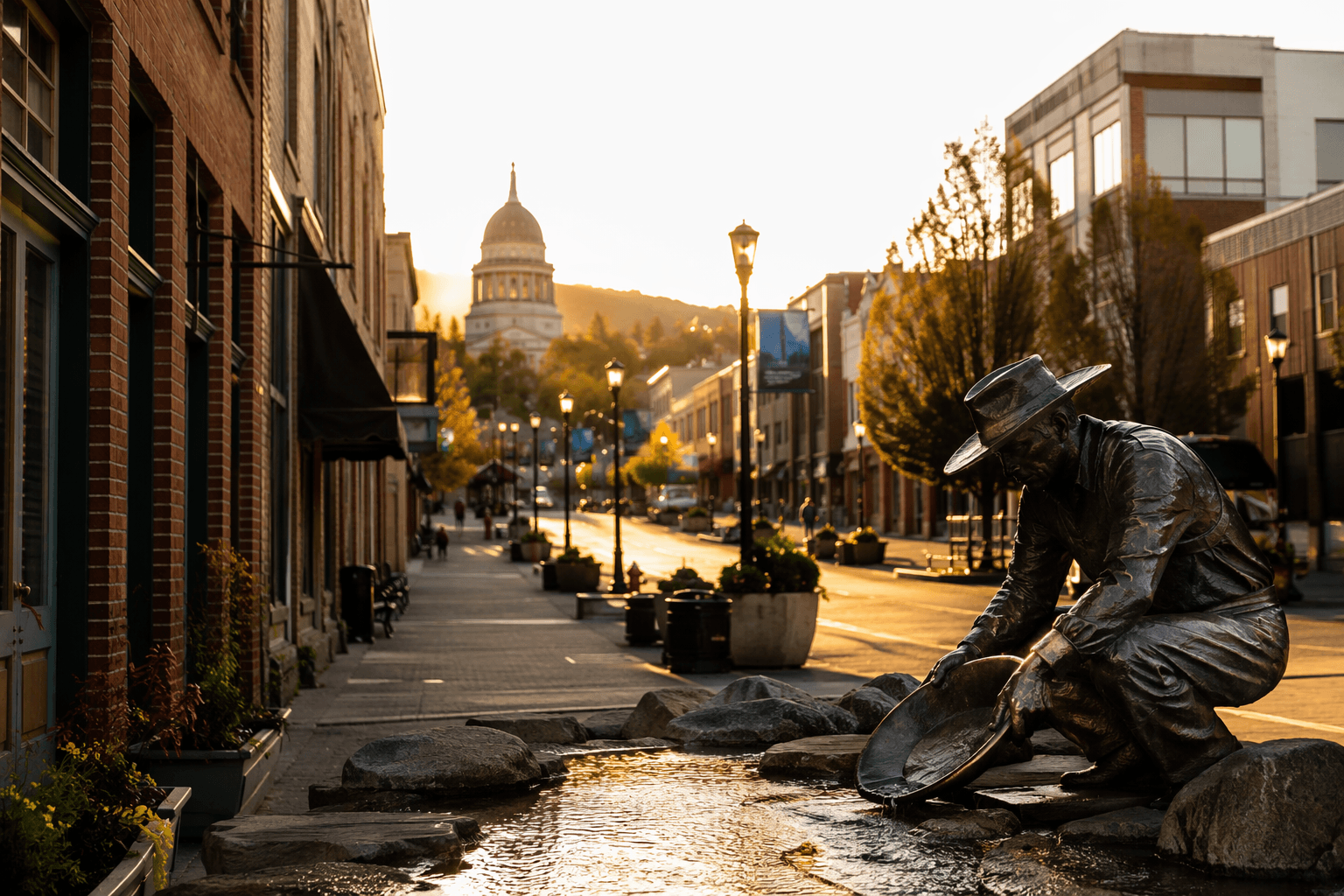
The creek feature adds to that sense of place. In 1974, as part of an urban renewal plan, the Walking Mall’s creek was added to the landscape. The creek runs the length of the block and ends at the Miner Fountain beside the Base Camp, giving the corridor a built-in focal point that helps define the center of the pedestrian space.
Why planners keep returning to the block
The Walking Mall is not treated as a relic in city documents. The Downtown Helena Master Plan was adopted on October 17, 2016 and covers the 2016 to 2036 planning horizon. Resolution No. 20313 amended the 2011 City of Helena Growth Policy to include the Downtown Master Plan as the Downtown Neighborhood Plan, which places the district inside Helena’s long-term growth framework.
That planning context matters because the Walking Mall sits at the intersection of preservation and redevelopment. A 2023 city planning document references a Downtown Helena Multimodal and Infrastructure Plan and specifically mentions the Pedestrian Mall Master Plan, showing that the block remains part of current discussions about circulation, infrastructure and downtown investment. In practice, that means the Walking Mall is still being considered as a piece of civic infrastructure, not only as a historic attraction.
Who stewards the Walking Mall
Local stewardship also runs through the Walking Mall Foundation. The foundation says its mission is to bring business owners, employees, residents and patrons together to advocate for the maintenance and enhancement of the Walking Mall. Its meetings are open to the public, which makes the organization a direct channel for downtown concerns that touch storefronts, public space and the condition of the block itself.
Private planning expertise has also played a role. DOWLING Architects says it worked with stakeholders and the Downtown Helena Business Improvement District on a modern master plan for downtown, using multiple public and stakeholder meetings. The firm also describes Helena’s Walking Mall as one of the only remaining walking malls in the United States, a reminder that this is both a local district and a rare urban form.
What makes the block matter to Helena now
The Walking Mall endures because it connects several systems at once: the mining corridor that created Helena, the pedestrian space that shapes daily foot traffic, the creek and fountain that define the block’s visual character, and the planning documents that guide what happens next. It is where shopping and dining meet public space, and where downtown policy still has to account for a street designed around walking rather than through traffic.
For Helena, that means the Walking Mall is more than a historic curiosity. It is a working piece of downtown infrastructure whose original design choices still influence how the city sees storefronts, accommodates visitors and plans for the future of Last Chance Gulch.
This article was produced by Prism’s automated news system from verified source data, official records, and press releases, then run through automated quality and moderation checks before publishing. The system is built and supervised by the people who set the standards it runs under. Read our full AI policy.
Did this article answer your question?