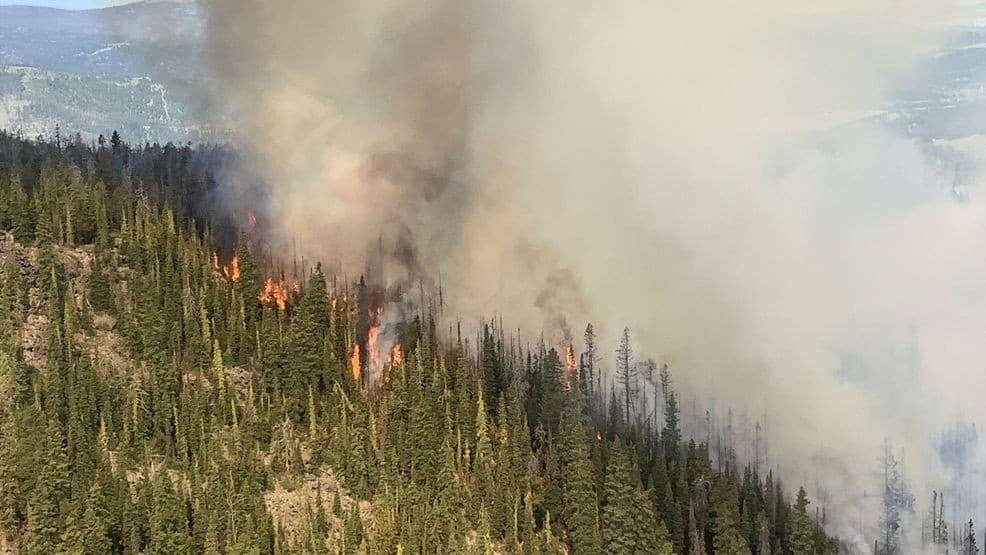
Judge allows wolf seasons to proceed, allows constitutional challenge to move forward
A Lewis and Clark County judge declined to pause Montana’s 2025 to 2026 wolf hunting and trapping seasons, finding petitioners did not prove the state wolf population was plummeting. The court did permit environmental and pro wolf groups to amend a complaint that contests 2021 laws and Fish, Wildlife and Parks regulations on the basis that they may violate Montanans’ constitutional right to a clean and healthful environment, leaving the broader legal fight unresolved.
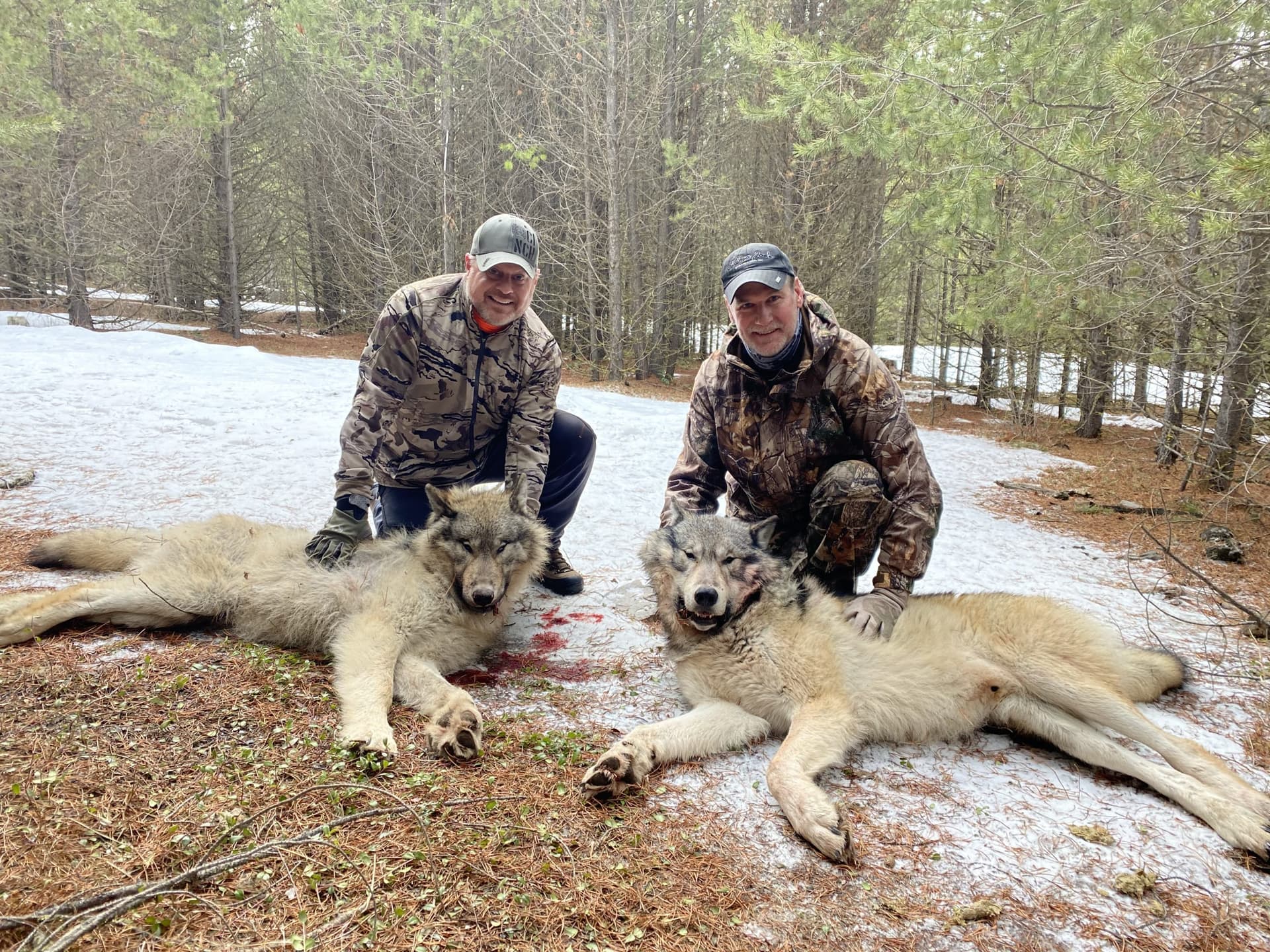
District Court Judge Christopher Abbott ruled on December 22 that several pro wolf and environmental groups had not demonstrated the kind of imminent harm that would justify halting the upcoming wolf hunting and trapping seasons. As a result, the regulations and quotas adopted by the state will remain in effect for the 2025 to 2026 seasons while litigation continues.
The decision does not end the dispute. Judge Abbott allowed the groups to amend their complaint to press a constitutional claim that challenges the 2021 statutes and subsequent Fish, Wildlife and Parks regulations. That claim invokes Montana’s constitutional right to a clean and healthful environment, a provision that has been cited in other high profile environmental cases across the state. The court’s order underscores two central issues in the case, seasonal quotas and the state’s methods for estimating the wolf population.
The Fish and Wildlife Commission set quotas that would allow up to 458 wolves to be taken during the season. Opponents have argued that those limits and the regulatory framework threaten wolf conservation, while state wildlife officials and supporters of regulated hunting have defended the quotas as part of broader wildlife management and public safety strategies. The court’s finding that petitioners did not show the population was plummeting reflects judicial deference at this stage to the record presented on population trends and monitoring techniques.

For Lewis and Clark County residents the immediate consequence is practical and local. Hunters and trappers may proceed under the established seasons and quotas, and local businesses connected to outdoor recreation will see continuity into the winter season. Conservation organizations and other plaintiffs retain the ability to press their constitutional claim, which could produce new court rulings or regulatory changes down the road.
The case highlights a broader tension in Montana between statutory wildlife management, scientific population estimation, and constitutional environmental protections. The amended complaint, if filed, may force courts to scrutinize how state agencies count wolves and balance competing public interests. For now the seasons will proceed, and the county will watch closely as the legal fight moves to its next phase.
Know something we missed? Have a correction or additional information?
Submit a Tip