Lewis and Clark County urged to prepare for wildfire smoke season
Smoke can settle over the Helena Valley overnight, and county health officials say families should prepare before air quality drops, not after.
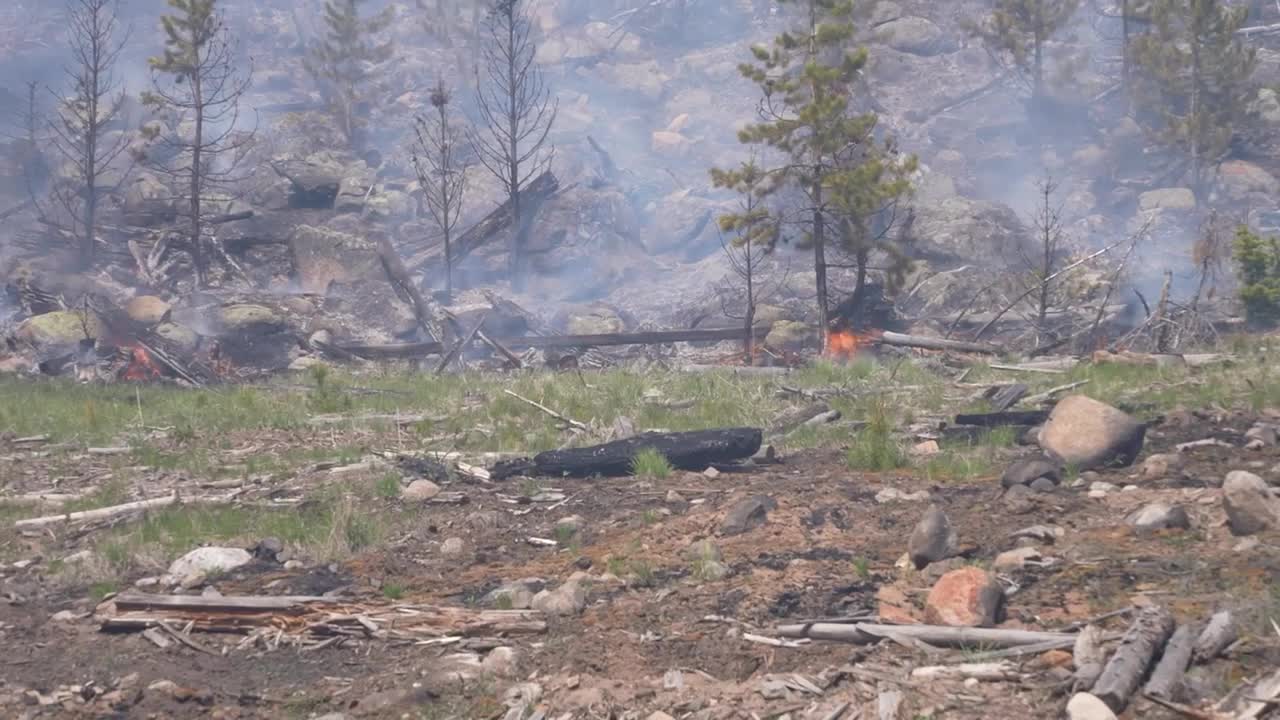
Smoke from distant fires can settle over the Helena Valley overnight, turning a summer nuisance into a health hazard long before flames reach Lewis and Clark County. Just weeks after the Jericho Creek fire and nearby burning operations pushed heavy smoke across the area, officials are again warning Helena, East Helena, Lincoln and Wolf Creek residents that cooler air can trap smoke in low-lying places and keep air quality poor even when the fire itself is far away.
Gov. Greg Gianforte proclaimed June 8-13 as Montana Wildfire Smoke Ready Week, a statewide push to get people thinking about indoor air, home prep and personal health before smoky days arrive. The message from state and local officials is simple: do not wait until the sky turns hazy to make a plan.
Lewis and Clark Public Health says wildfire smoke is more than an annoyance. The Environmental Health Division monitors fine-particulate pollution year-round in the Helena Air Pollution Control District, and county health officials say poor air-quality episodes contribute to negative health outcomes, especially for people with preexisting respiratory conditions. The U.S. Environmental Protection Agency says wildfire smoke exposure can cause coughing, runny nose, burning eyes, trouble breathing and bronchitis, with children, teenagers, older adults and people with heart or lung disease facing higher risk.
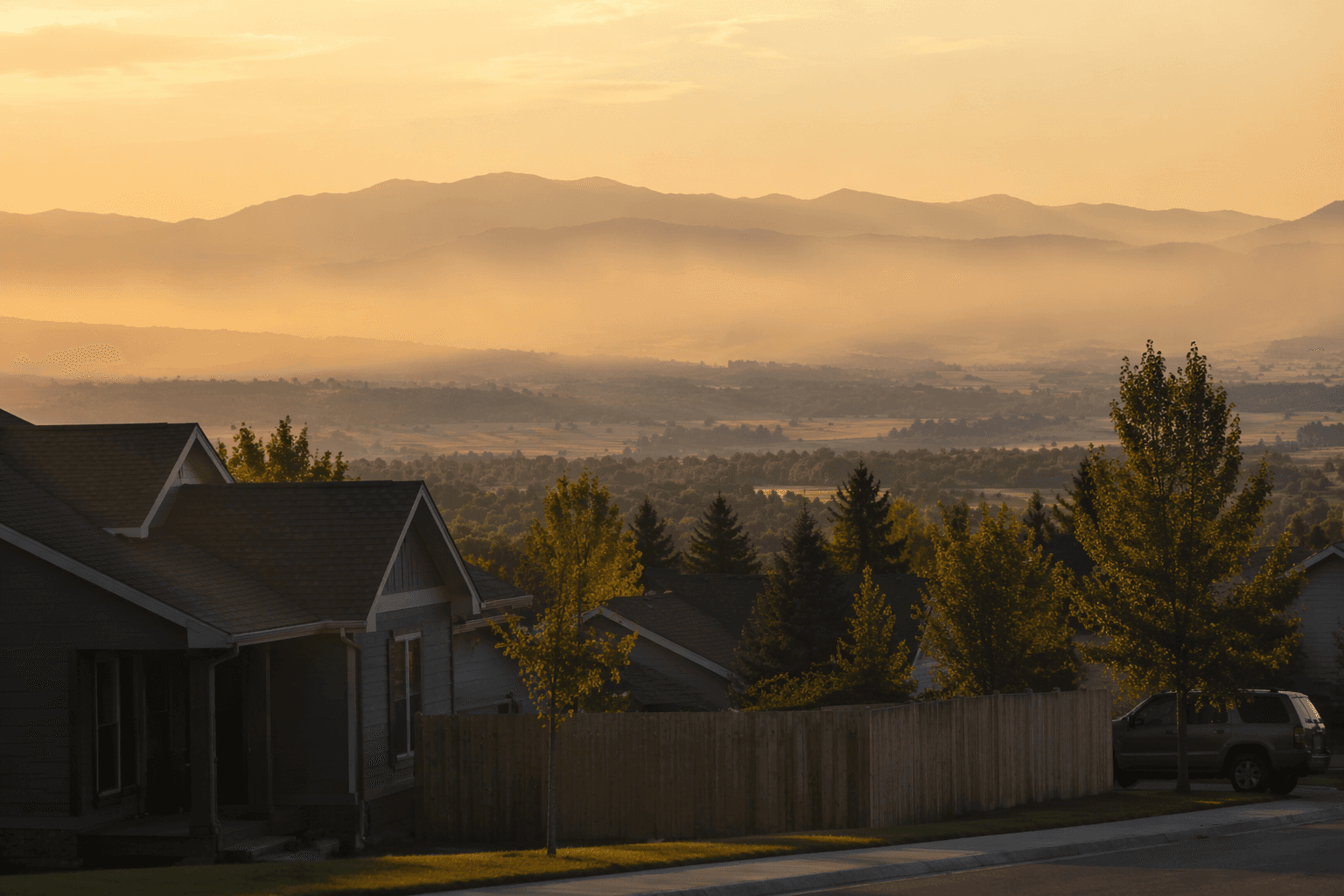
That warning matters for families deciding whether children should stay inside, and for outdoor workers who may spend hours breathing the worst of it. County health officials say they advocate for clean rooms and indoor air quality during wildfire events and winter inversions, when smoke and other pollutants can linger. The practical advice from the Department of Environmental Quality is to stay indoors when smoke is bad, keep windows closed and have air purifiers or cleaners ready before the smoke arrives.
Lewis and Clark County also ties smoke response to day-to-day enforcement. When air quality is poor, burning is restricted in the district, with limits based on an 8-hour average of fine-particulate pollution and air-dispersion forecasts from the Montana Department of Environmental Quality. During wildfire smoke impacts, DEQ issues smoke forecasts that identify smoke sources and project how long conditions may last based on current and expected fire behavior and weather.

Residents can check real-time air quality through Lewis and Clark Public Health’s data portal or call the Air Quality Hotline at 406-447-1644. In a county where the valley can hold smoke in place, officials say planning ahead is the difference between a bad day and a health emergency.
This article was produced by Prism’s automated news system from verified source data, official records, and press releases, then run through automated quality and moderation checks before publishing. The system is built and supervised by the people who set the standards it runs under. Read our full AI policy.
Know something we missed? Have a correction or additional information?
Submit a Tip