Montana Groups Push to Source One-Third of State's Food Locally by 2033
Montana sources just 3% of its food in-state despite $5.2 billion in annual spending. Helena hosts the October summit where groups plan a path to 33% by 2033.
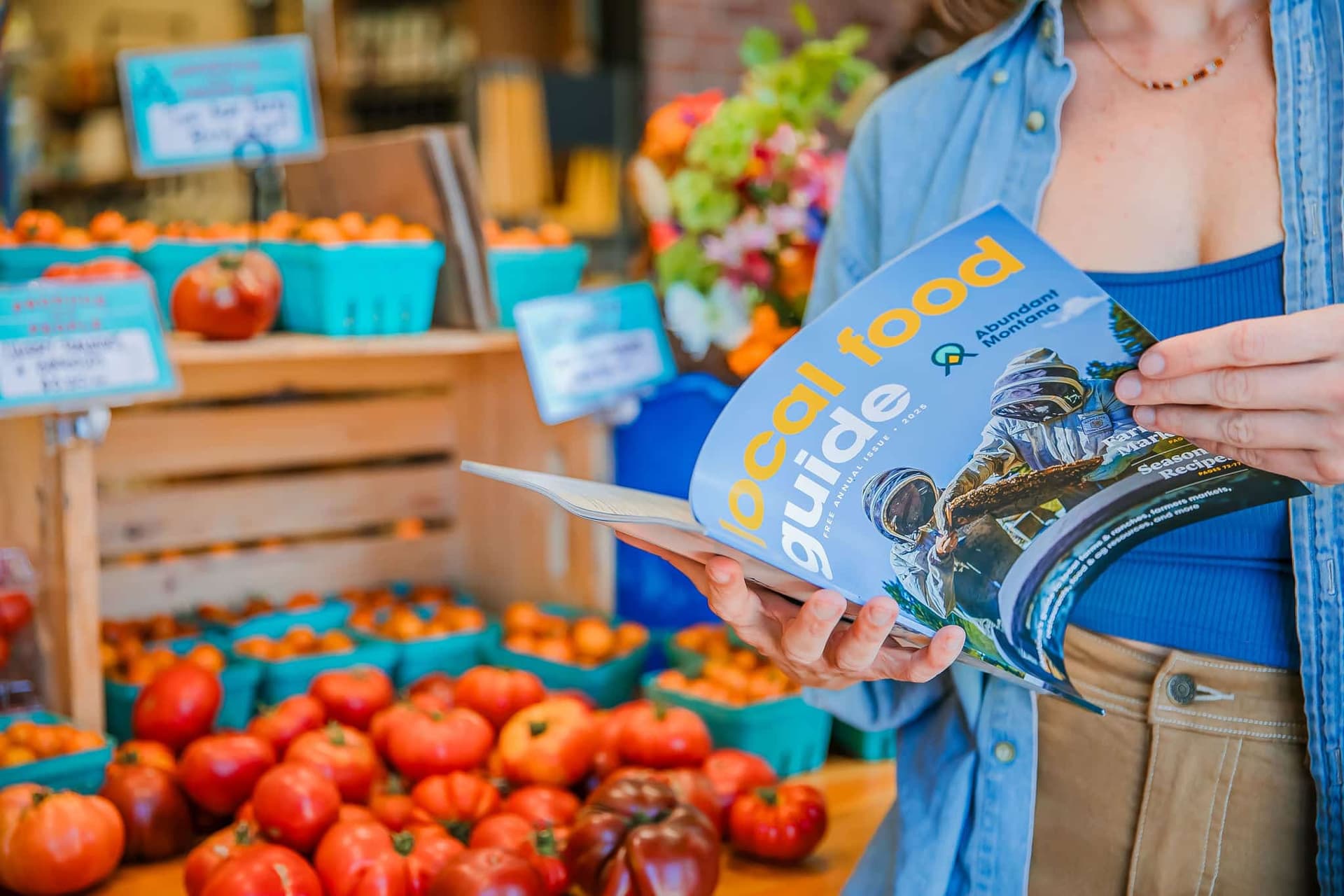
A statewide coalition of food advocates and growers wrapped up a round of regional listening sessions this month armed with a figure that reframes every school lunch tray and grocery aisle in Montana: the state currently produces just 3% of the food its residents eat.
That baseline, drawn from spending data showing Montanans directed just $158 million of a $5.2 billion annual food budget to in-state producers in 2021, is the central argument behind a campaign called "33 by 33 for Montana." Led by Abundant Montana and Grow Montana alongside a network of regional food coordinators, the effort aims to push Montana's local food share to 33% by 2033, an eleven-fold increase that organizers say is achievable with targeted investment in infrastructure and procurement reform.
The campaign's next major milestone is the 3rd Governor's Summit on Local Food and Agriculture, scheduled for October 23-24 in Helena. Robin Kelson, executive director of Abundant Montana, said the March listening sessions were designed to map barriers and opportunities community by community before that convening. "We want to find out what the gaps are, what's working where people live, and what needs to change if we're going to reach 33 by 33," Kelson said. Sessions were held across the state, including in Bozeman, Billings, Glendive, and Wolf Point, with input gathered from producers, processors, distributors, retailers, and institutional buyers.
For Lewis and Clark County, Helena's role as summit host is more than geography. The October gathering is expected to produce a statewide roadmap setting investment priorities and identifying which infrastructure projects, including cold storage, processing capacity, and aggregation hubs, will receive early resources. The six months between now and the summit represent the window in which local stakeholders, including Helena-area farmers, school administrators, and hospital procurement staff, can most directly shape those priorities.

Schools, hospitals, and senior care facilities sit at the center of the coalition's near-term strategy. Those institutional buyers can offer the consistent, volume-based purchasing contracts that make local sourcing financially viable for mid-size Montana farms. The Montana Food Hub is among the cooperative distribution models under review to connect producers to those buyers without requiring each farm to build its own distribution network.
Organizers frame the 3% figure as a structural vulnerability, not just a missed economic opportunity. Montana's food arrives predominantly through a limited number of distribution lines, leaving rural grocery networks most exposed when those lines are disrupted by weather, logistics failures, or price volatility. Pushing that share to 33% of the state's food budget would redirect roughly $1.7 billion annually into Montana's farm and food economy, compared with the current $158 million.
The October summit is expected to bring tribal governments, nonprofits, agricultural producers, and state agencies into the same planning room for the first time in a decade, with Helena positioned as the site where Montana's food-system ambitions either coalesce into a funded roadmap or stall for another generation.
Know something we missed? Have a correction or additional information?
Submit a Tip