Montana Land Board rewrites land-swap rules with limited public input
Montana’s top land board rewrote swap rules after limited public input, shifting more power to Helena and changing how future land deals can move forward.
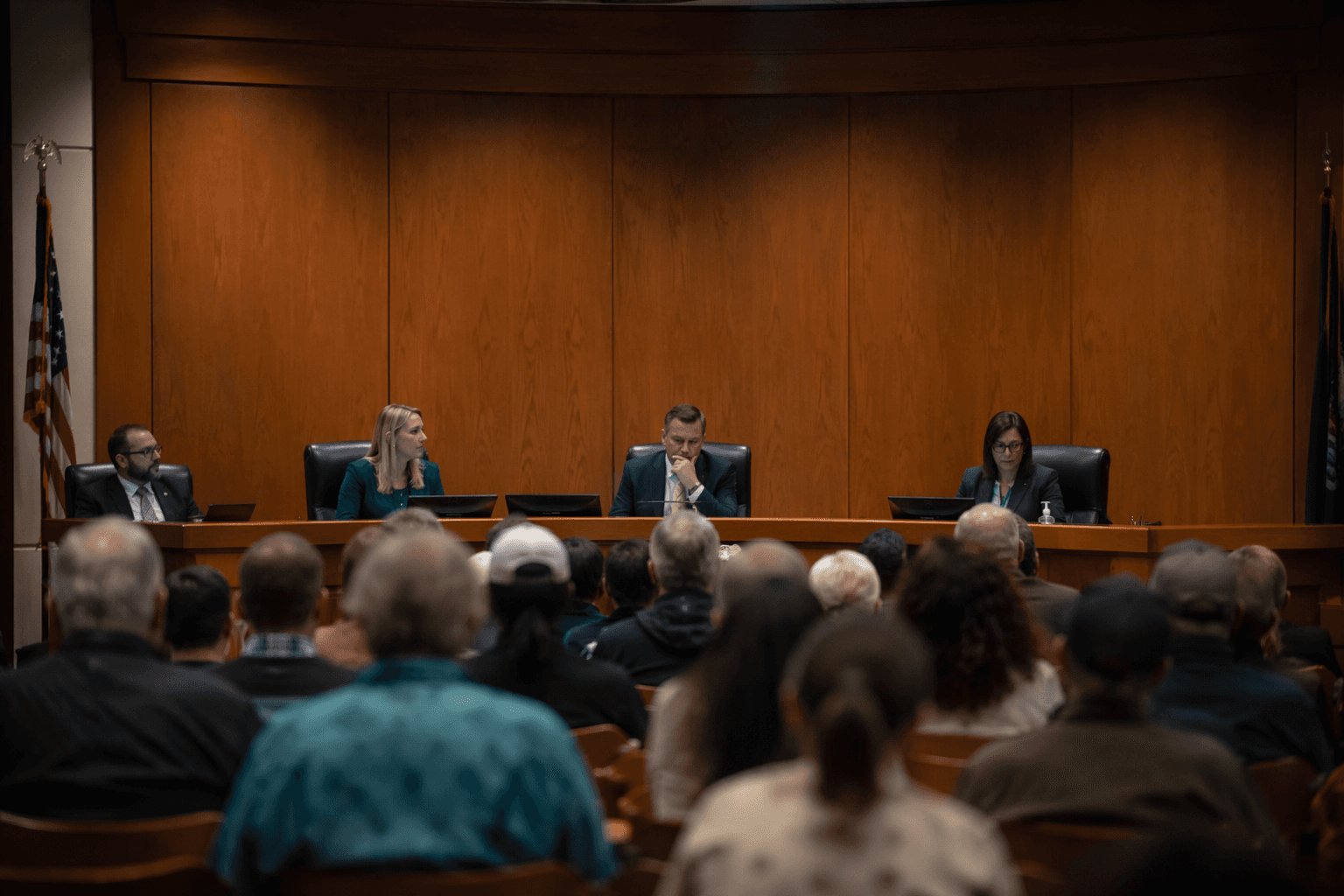
Montana’s top land board rewrote the state’s land-swap rules after a process that drew criticism for limited public involvement and little time for outside scrutiny. The change matters in Helena and across Lewis and Clark County because the Montana Board of Land Commissioners controls decisions that can alter public access, trust-land management, and the shape of future development on state lands.
State Auditor James Brown introduced the overhaul, making the rewrite a priority after roughly nine months of work. The board approved the first revisions to the land-exchange policy since 2004, even though the underlying framework dates to 1994. The Montana Board of Land Commissioners is made up of the governor, secretary of state, attorney general, state auditor, and superintendent of public instruction, and the Department of Natural Resources and Conservation serves as its administrative arm.

Gov. Greg Gianforte tried to add a 30-day public scoping period before the vote, saying he expected that step as standard practice. The motion failed, and Gianforte abstained from the final vote after supporting efforts to streamline exchanges and expand access. That sequence left critics arguing that the most significant change to the policy in more than 20 years moved ahead with too little public review.
The new policy shifts some decision-making power away from DNRC and toward the five-member board. Under the revised rules, only the Land Board may deny a proposed exchange. Supporters, including Brown, cast the rewrite as a “red-tape reduction” that could speed exchanges, clean up checkerboard ownership patterns, and improve access to landlocked parcels. Brown also said the changes address water- and corner-crossing disputes and create more opportunities for interested parties to comment.
The stakes are financial as well as political. State trust lands generated $80.8 million for education in fiscal year 2025, with revenue supporting public schools and other beneficiaries, including universities, youth correctional programs, the Montana School for the Deaf and Blind, and the Montana Veterans Home. DNRC says land exchanges are supposed to meet criteria that include equal or greater value, equal or greater income to the trust, consolidation of state trust lands, improved or equal access, long-term appreciation, and navigable-water considerations.
Opponents said the process was rushed and the new standards were too vague. Montana Wildlife Federation asked for a 30-day extension and warned that the rewrite removed DNRC’s ability to flatly deny exchanges that are not in the public interest. Andrew Posewitz of Helena put the concern bluntly: “the only people who can avail themselves of this process are those who have the ability to hire those kinds of consultants.” The revised policy now allows third-party consultants, paid by an interested landowner, to broker exchanges, a change critics say could tilt future deals toward applicants with money, staff, and lobbyists rather than ordinary Montanans.
This article was produced by Prism’s automated news system from verified source data, official records, and press releases, then run through automated quality and moderation checks before publishing. The system is built and supervised by the people who set the standards it runs under. Read our full AI policy.
Did this article answer your question?