Montana Libertarian Party blasts open primary after Senate nomination upset
A Helena party fight could shape who gets to carry the Libertarian label, and what Lewis and Clark County voters see on future Senate ballots.
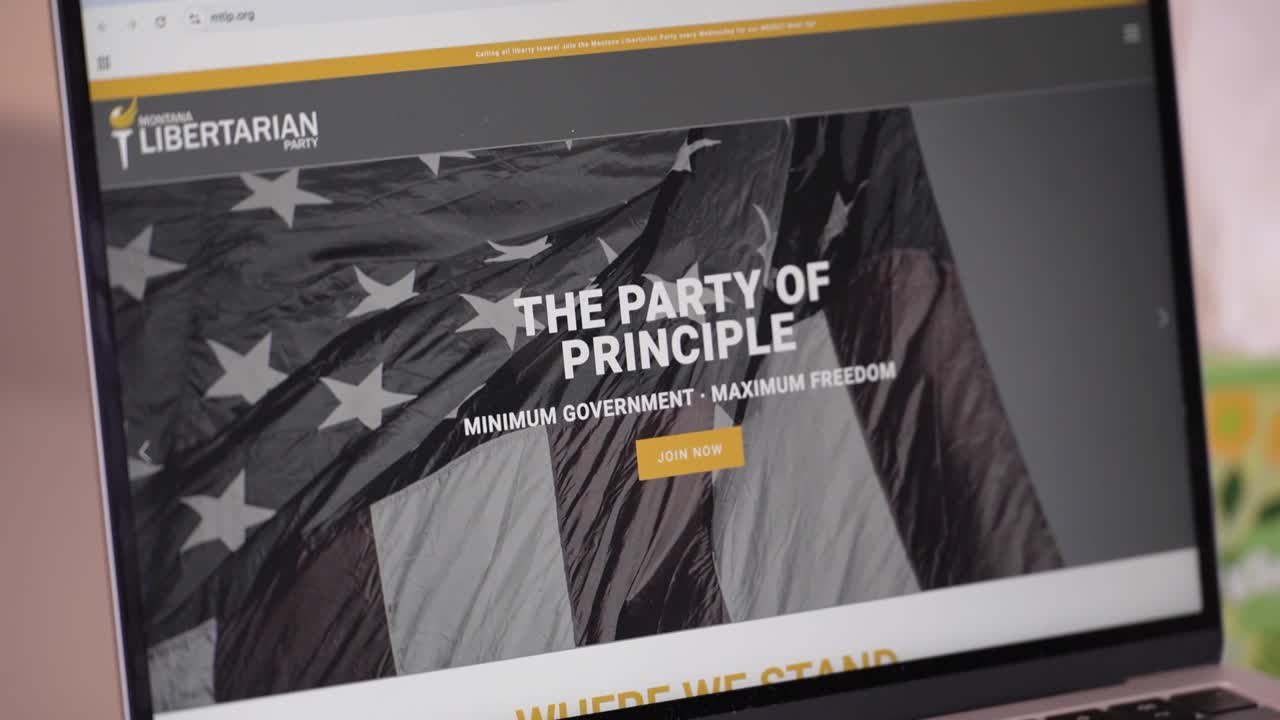
The Montana Libertarian Party said an unendorsed U.S. Senate candidate’s victory exposed a flaw in the state’s open primary system, and party leaders in Helena are now weighing whether to challenge the rules that let it happen.
For Lewis and Clark County voters, the issue reaches beyond one nomination fight. Montana’s open primary lets voters choose one party’s ballot, and the Libertarian Party is the only third party in the state whose candidates have a guaranteed place on the general election ballot alongside Republicans and Democrats. If the party succeeds in tightening ballot access, the change would not just affect internal nominations, it could also limit how easily a candidate can use the Libertarian label in a publicly run election.
The dispute followed the Montana Libertarian Party’s April 2026 delegate and platform convention in Helena, where members unanimously endorsed Tom Jandron for U.S. Senate after holding town hall-style discussions with both Libertarian contenders, Jandron and Kyle Austin. Jandron, an aviation mechanic and retired Army National Guard member from Clancy, had already made his case to the party while describing Congress as trapped in foreign wars, debt and civil-liberties erosion.
Party leaders later adopted a platform amendment focused on party autonomy and elections, signaling that the fight is about more than one race. In the party’s view, Montana’s open primary lets outsiders use the Libertarian label without showing any real commitment to Libertarian philosophy, and that threatens the party’s right to choose who speaks for it.
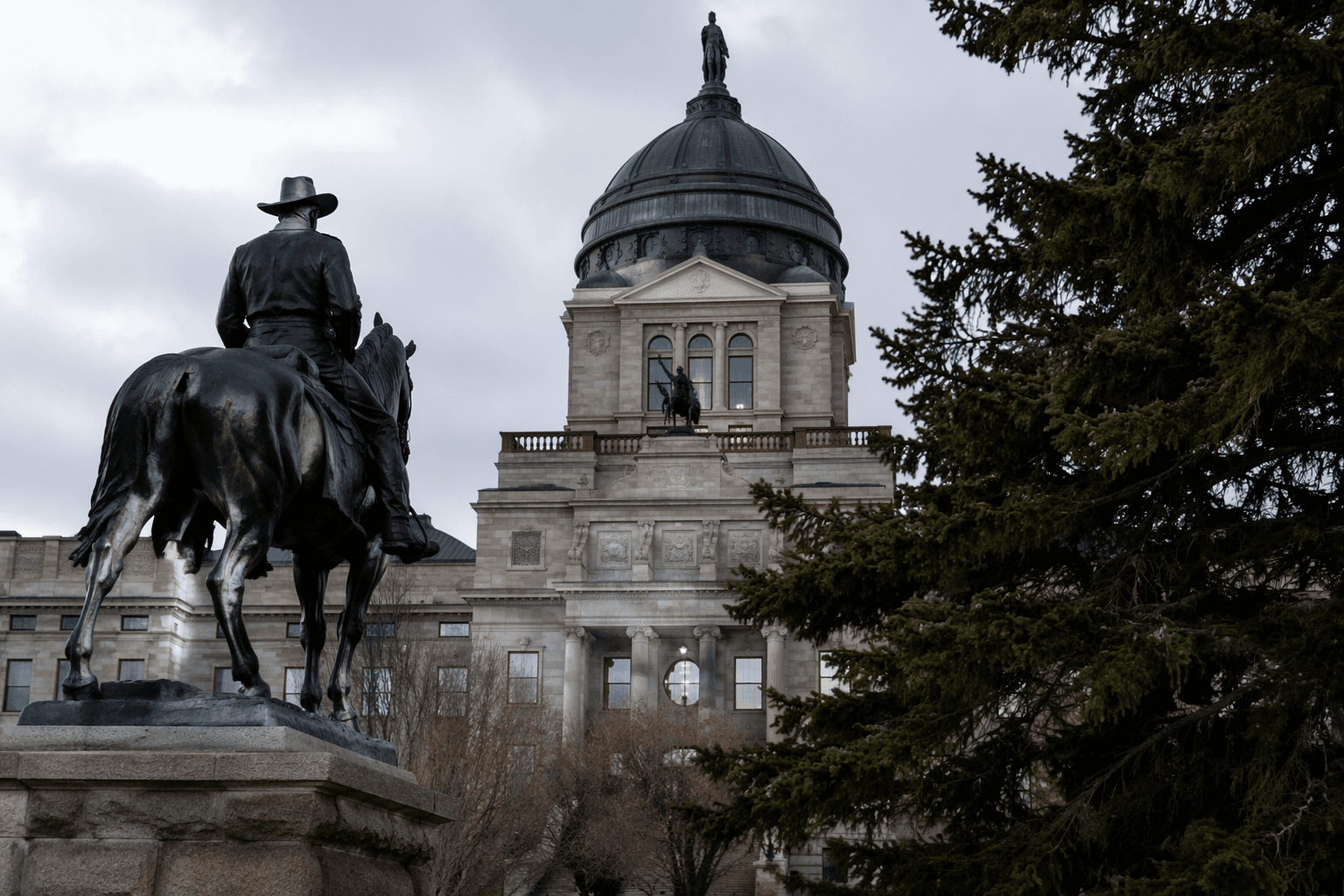
The Senate race carries unusual weight in Montana. It is the state’s first open U.S. Senate seat since 1976 and the first open contest for this particular seat since 1960, after two-term Republican Sen. Steve Daines withdrew from the GOP primary on March 5, just minutes before the filing deadline, and backed former U.S. Attorney Kurt Alme.
The broader rules fight is hardly new. Montana established open primary elections in 1912, and a 2023 legislative exhibit says the Montana Supreme Court found the system constitutional. A 2014 federal challenge by Republican plaintiffs also collapsed after the plaintiffs failed to prove organized crossover voting. That history suggests the Libertarian Party’s complaint could become a real push to rewrite nomination rules, but it also shows how hard it has been to turn objections into changes that stick.
This article was produced by Prism’s automated news system from verified source data, official records, and press releases, then run through automated quality and moderation checks before publishing. The system is built and supervised by the people who set the standards it runs under. Read our full AI policy.
Did this article answer your question?