Montana nearly doubles forest stewardship partnership, adds Lolo National Forest area
Montana added 345,000 acres in the Lolo National Forest to its stewardship pact, pushing the total to about 750,000 acres and sharpening wildfire and timber stakes.
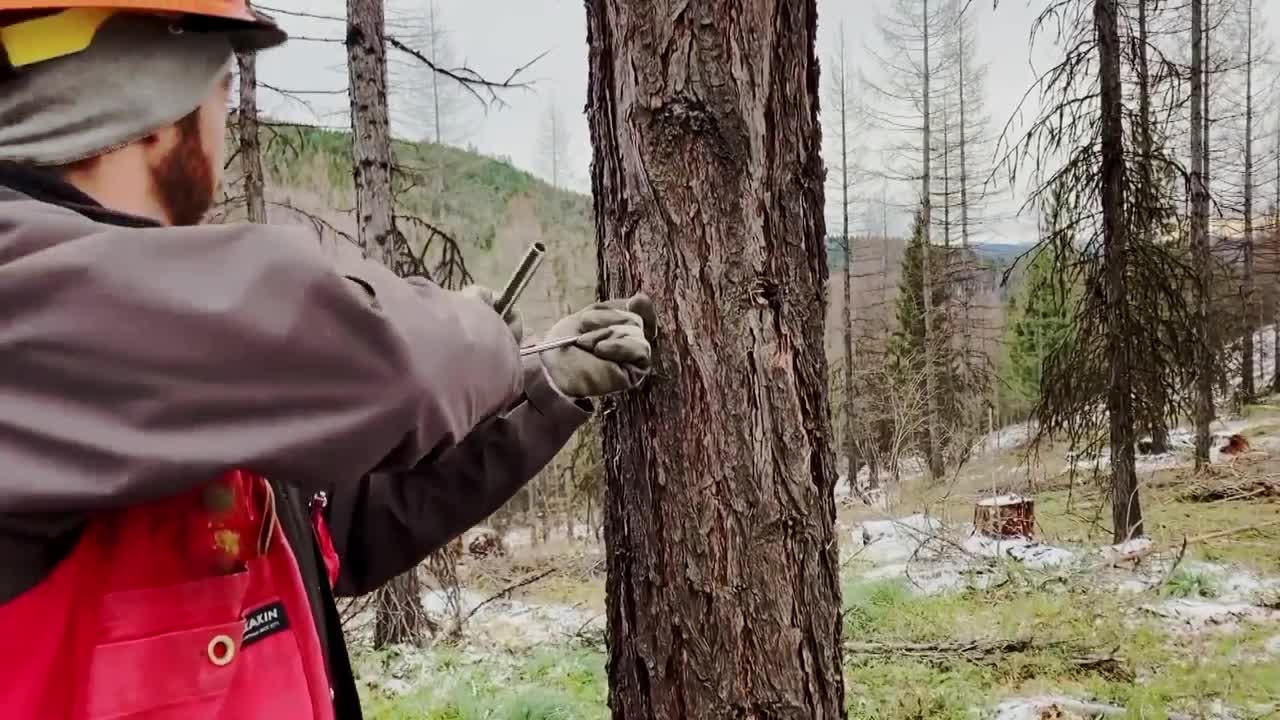
Helena is now the political stage for a much larger forest-management buildout, as Montana and federal officials expanded their Shared Stewardship partnership with a new 345,000-acre landscape tied to the Lolo National Forest. The addition lifts the total acreage under the agreement to about 750,000 acres, with state officials describing the footprint as nearly one million acres. For Lewis and Clark County, the bigger story is how that machinery could shape wildfire readiness, forestry work, and watershed protection across western Montana.
The newest landscape was announced June 4 and joins two priority areas identified in March 2026: about 213,910 acres across the Flathead and Kootenai national forests, plus 200,000 acres in the Bitterroot National Forest. Officials said those areas were chosen because of wildfire risk to nearby communities and infrastructure, opportunities for coordinated planning, and readiness for implementation. That puts the emphasis squarely on places where fuel buildup, smoke, and access to public land are not abstract policy concerns but recurring local pressures.
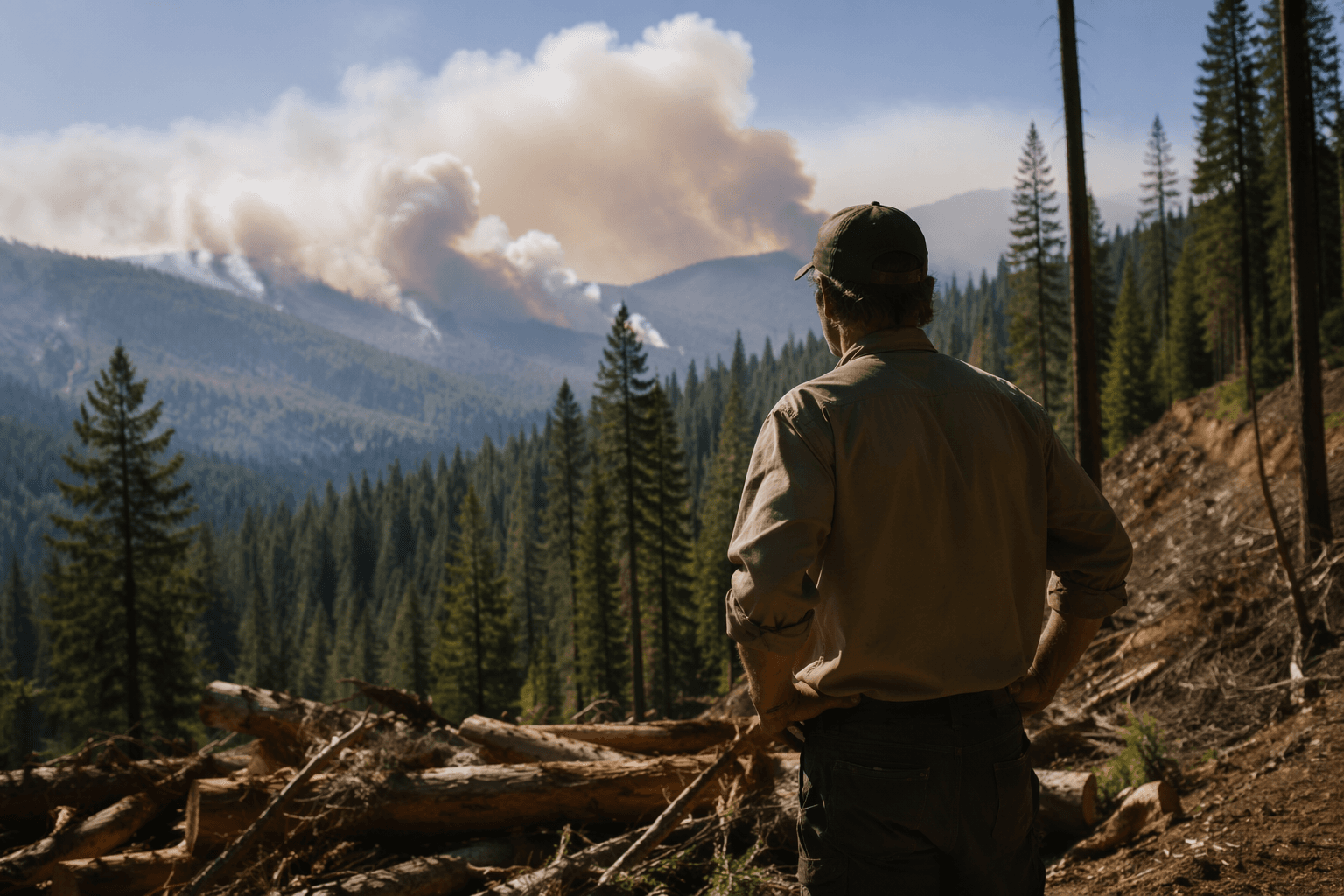
The agreement itself was formalized June 30, 2025, as a 20-year memorandum of understanding between Governor Greg Gianforte and then-U.S. Forest Service Chief Tom Schultz. State leaders have said the goal is to increase the pace and scale of forest restoration, wildfire-risk reduction, and sustainable timber production. In practical terms, that points to more fuels reduction, more timber sales, and more restoration work moving through the pipeline, which affects contractors, mills, and the public agencies that depend on healthier forests to protect roads, water supplies, and rural infrastructure.
The Forest Service and the Montana Department of Natural Resources and Conservation say they will keep relying on the Good Neighbor Authority to speed that work. DNRC says about 70% of Montana’s forested land is federally owned, which makes cross-boundary coordination central to how much work can actually get done. Congress expanded the federal authority in 2018, and Montana’s state Good Neighbor Authority program has operated since then, giving the state a tool to carry out projects on federal ground instead of waiting on separate, slower processes.

Ben Johnson, the Lolo National Forest supervisor, said working across boundaries is essential to healthier, more resilient forests, while DNRC Director Amanda Kaster said the new landscape gives DNRC, the Lolo National Forest, and local partners a shared foundation for long-term work. The latest expansion leaves Montana with a growing statewide footprint and a clear test ahead: whether a 20-year partnership can produce visible changes on the ground before the next severe fire season does.
This article was produced by Prism’s automated news system from verified source data, official records, and press releases, then run through automated quality and moderation checks before publishing. The system is built and supervised by the people who set the standards it runs under. Read our full AI policy.
Did this article answer your question?