Montana Pauses Medicaid Doula Reimbursement Plan Amid Budget Shortfall
Misty Pipe, a Northern Cheyenne doula who works free around her post office shift, lost her path to Medicaid pay when Montana paused the program over a $34.4M shortfall.
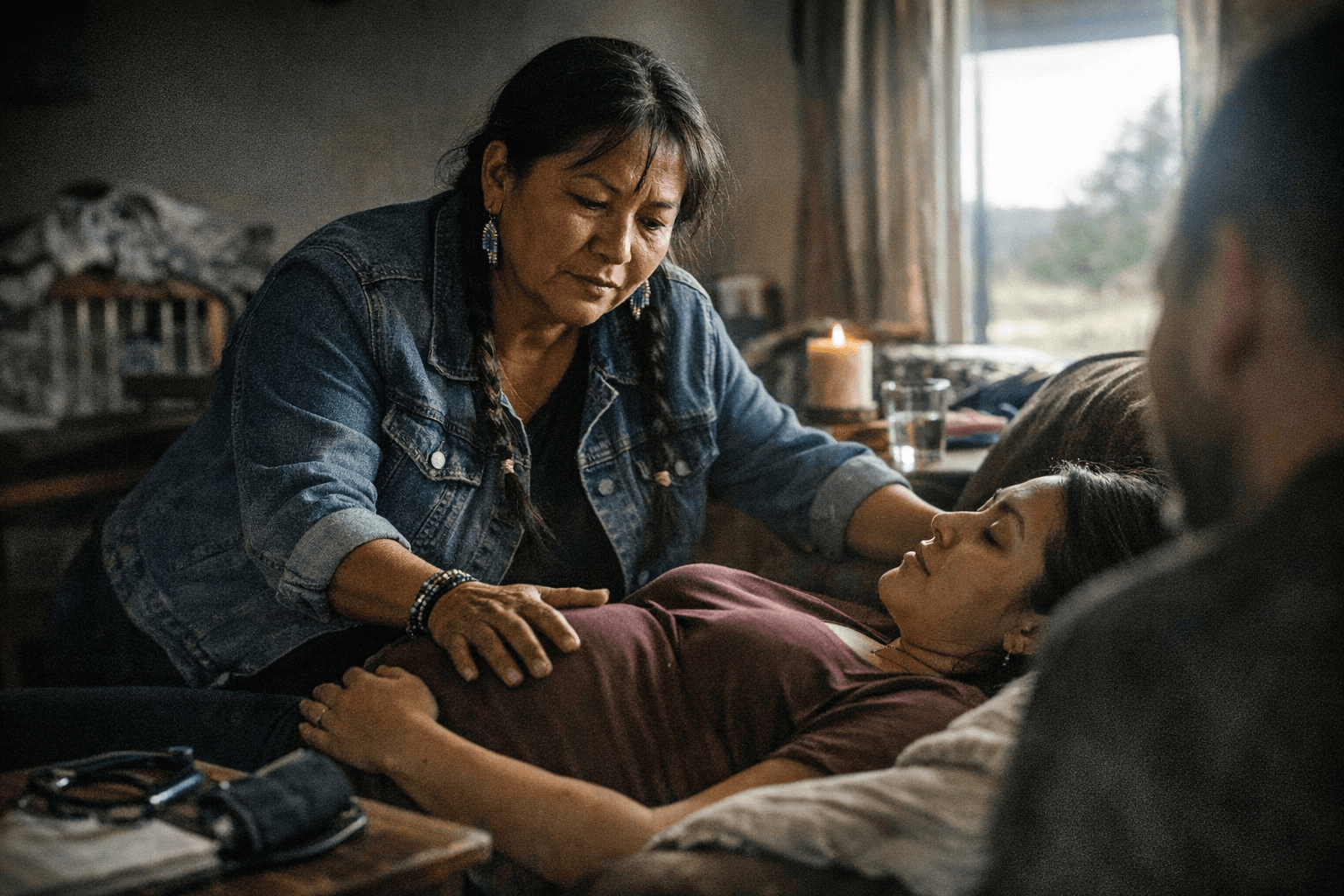
Misty Pipe had a plan: finish her shift at the post office, do doula work on the Northern Cheyenne Indian Reservation for free, and eventually turn that work into a career once Montana's new Medicaid reimbursement program launched. In late March 2026, the state shelved the plan.
The Department of Public Health and Human Services paused its doula Medicaid program, citing a $34.4 million agency-wide budget shortfall driven partly by higher-than-expected Medicaid costs. "DPHHS will not be moving forward with the implementation of doula services in the Montana Medicaid benefit package at this time," spokesperson Holly Matkin announced.
The pause lands hardest in places like Lame Deer, where Pipe lives and works. The town of roughly 2,000 people on the Northern Cheyenne Indian Reservation sits approximately 100 miles from the nearest hospital with a labor and delivery unit. Pipe, a mother of seven, currently squeezes doula services into her schedule without pay. Medicaid reimbursement, set at up to $1,600 per pregnancy under the paused program, was meant to change that calculus. Her neighbor Britney WolfVoice faces the same two-hour drive to a birthing hospital that most reservation families must make.
When Senate Bill 319 was signed into law in May 2025, Pipe called it "just the start of a whole new healing for my community."
SB 319, sponsored by Sen. Cora Neumann (D-Bozeman), established voluntary doula licensure under the Department of Labor and Industry and authorized DPHHS to cover state-certified doulas through Medicaid. The bill carried bipartisan backing: Republican Sen. Mike Yakawich said of the effort, "What help can we provide for moms who are expecting? My feeling is, it's never enough." The program was set to take effect January 1, 2026. It never launched.
The shortfall spans three Medicaid funding streams: federal funding, state special funding, and general fund. A last-minute amendment to House Bill 2 compounded the problem, cutting health care facilities division funding by $15 million in fiscal year 2026 and $20 million in fiscal year 2027. DPHHS Director Charlie Brereton told state lawmakers in March 2026 that "all options are on the table," with congressional debates over federal Medicaid cuts adding further pressure on state budgets nationwide.
The rural geography that makes doulas essential in Montana makes the pause especially consequential. Stephanie Morton, executive director of Healthy Mothers, Healthy Babies–The Montana Coalition, said more than half of Montana's counties are designated maternity care deserts, with the coalition putting that figure at 65% for rural counties specifically. A 2024 March of Dimes report found more than 35% of U.S. counties have no birthing facility or obstetric clinician.
Montana had been on track to join at least 25 states already reimbursing doulas through Medicaid. Since 2025, Arkansas, Utah, Louisiana, and Vermont also passed Medicaid doula coverage laws, reflecting a national bipartisan consensus. Montana's halt is now being watched closely as a signal of what federal funding pressure can undo at the state level.
Pipe, meanwhile, still reports to the post office.
This article was produced by Prism’s automated news system from verified source data, official records, and press releases, then run through automated quality and moderation checks before publishing. The system is built and supervised by the people who set the standards it runs under. Read our full AI policy.
Did this article answer your question?