Montana Supreme Court Affirms AG Decision on Corporate Spending Initiative
The Montana Supreme Court on Jan. 6, 2026, upheld Attorney General Austin Knudsen’s October finding that a proposed constitutional initiative to limit corporate political spending was legally insufficient. The ruling requires backers to refile a narrower measure and carries implications for campaign finance, ballot timing, and local races across Lewis and Clark County as groups prepare for the 2026 initiative season.
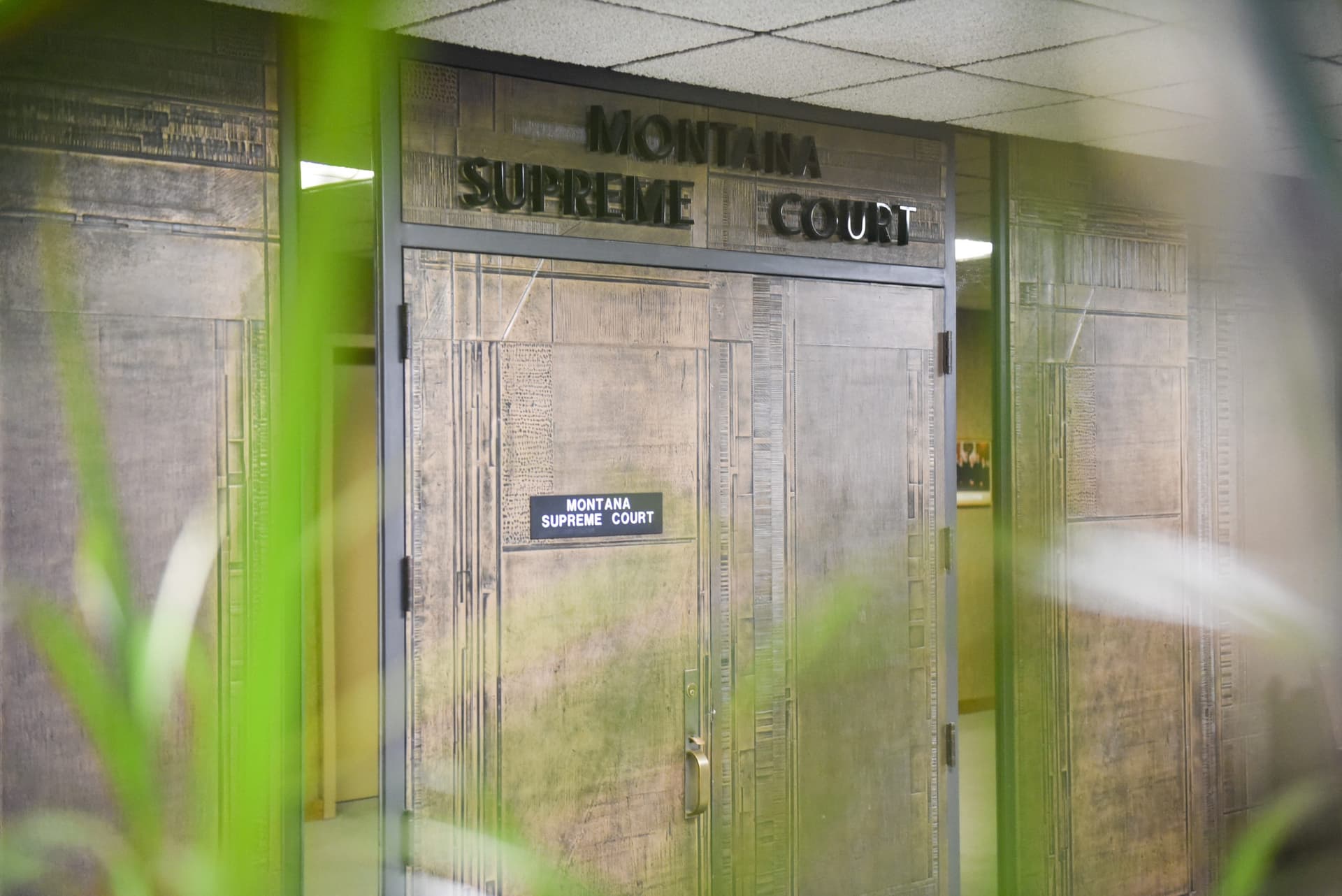
The Montana Supreme Court affirmed the attorney general’s determination that a proposed constitutional amendment aimed at curbing corporate political spending improperly sought to change multiple sections of the state constitution, violating Article XIV, Section 11’s requirement that separate constitutional amendments be submitted to voters independently. The decision on Jan. 6, 2026, means the proposal’s sponsors must refile a narrower measure to address the legal defects identified by state officials.
The proposal, advanced by a group of former public officials, would have barred corporations and certain incorporated entities from contributing to political campaigns and would have restricted anonymized donations routed through corporate entities. The attorney general had rejected the initiative in October as legally insufficient; the Supreme Court’s ruling affirmed that assessment and left the backers with the option to return with a revised, more narrowly tailored amendment.
For Lewis and Clark County voters and local candidates, the ruling affects the campaign finance landscape heading into 2026. If backers refile and qualify for the ballot, the measure could change the pool of permissible donors and the mechanics of disclosure for donations that flow through corporate structures. That would influence how county-level campaigns raise and report funds, shape competitive dynamics in local races, and alter the strategies of both ballot and candidate committees that are already preparing for the coming election cycle.
Institutionally, the ruling underscores the checks built into Montana’s initiative and constitutional amendment process. The attorney general acts as an initial gatekeeper for initiative language, and the courts enforce constitutional constraints such as the single-amendment requirement in Article XIV, Section 11. The decision illustrates how procedural constitutional rules can determine whether policy proposals reach voters, independent of their political or policy merits.
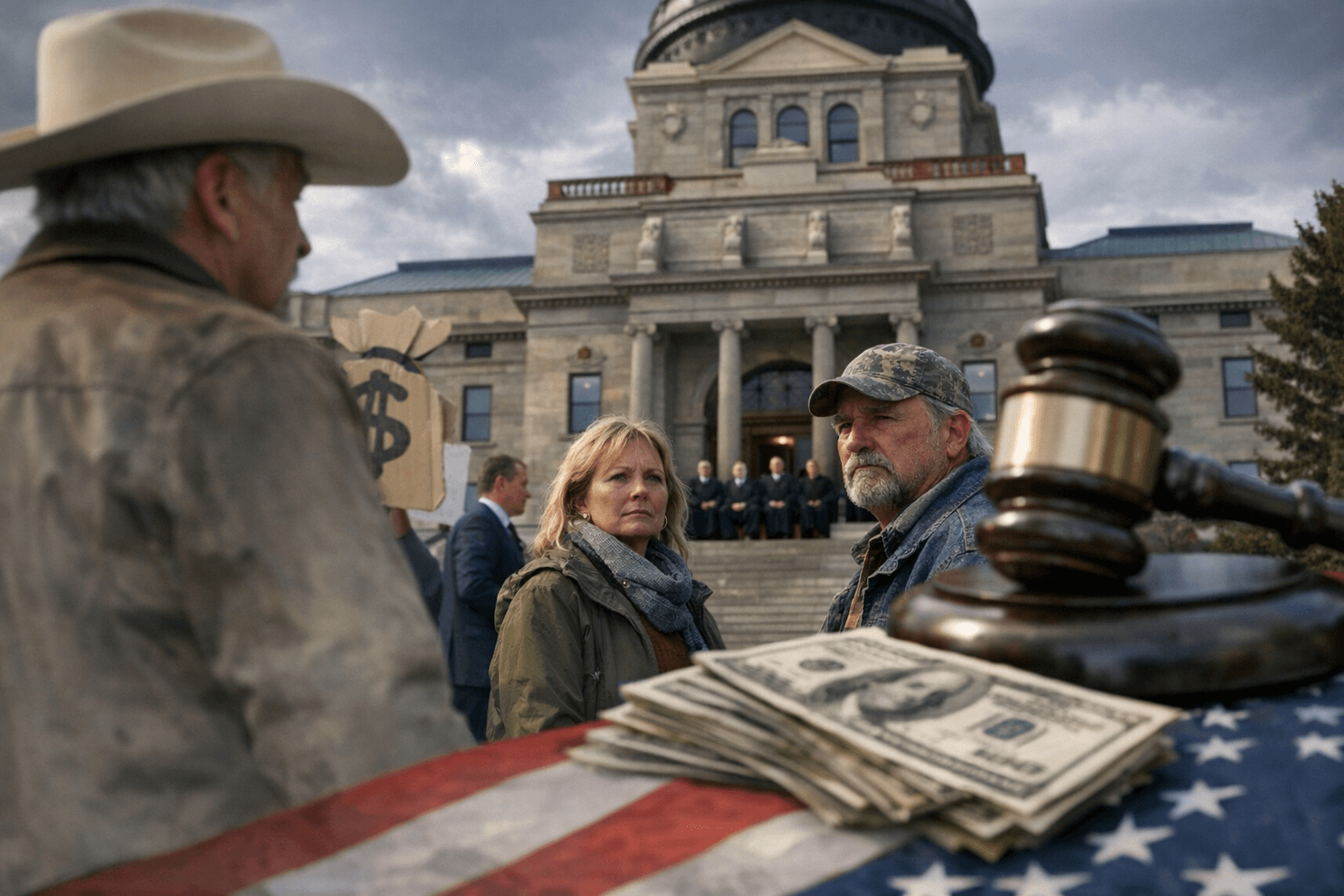
Backers indicated plans to refile quickly, which compresses the timeline for signature gathering and public outreach before the 2026 ballot qualification deadlines. That timeline will place added pressure on organizers statewide and in Lewis and Clark County to refine language, collect signatures, and mobilize voters within a shortened window.
Residents should expect renewed filings and publicity as groups adapt to the court’s ruling. The outcome will matter for transparency, the distribution of campaign resources, and voter choices at the ballot box during the 2026 campaign cycle.
This article was produced by Prism’s automated news system from verified source data, official records, and press releases, then run through automated quality and moderation checks before publishing. The system is built and supervised by the people who set the standards it runs under. Read our full AI policy.
Did this article answer your question?