More locals cutting Christmas trees in national forests, data shows
U.S. Forest Service permit data show recreational Christmas tree cutting across Montana rose sharply between 2016 and 2024, with Helena Lewis and Clark National Forest accounting for roughly one fifth of last year’s permits. The trend affects Lewis and Clark County through increased winter use of forest roads and recreation sites, while managers say properly managed cutting can support forest health and wildfire resilience.
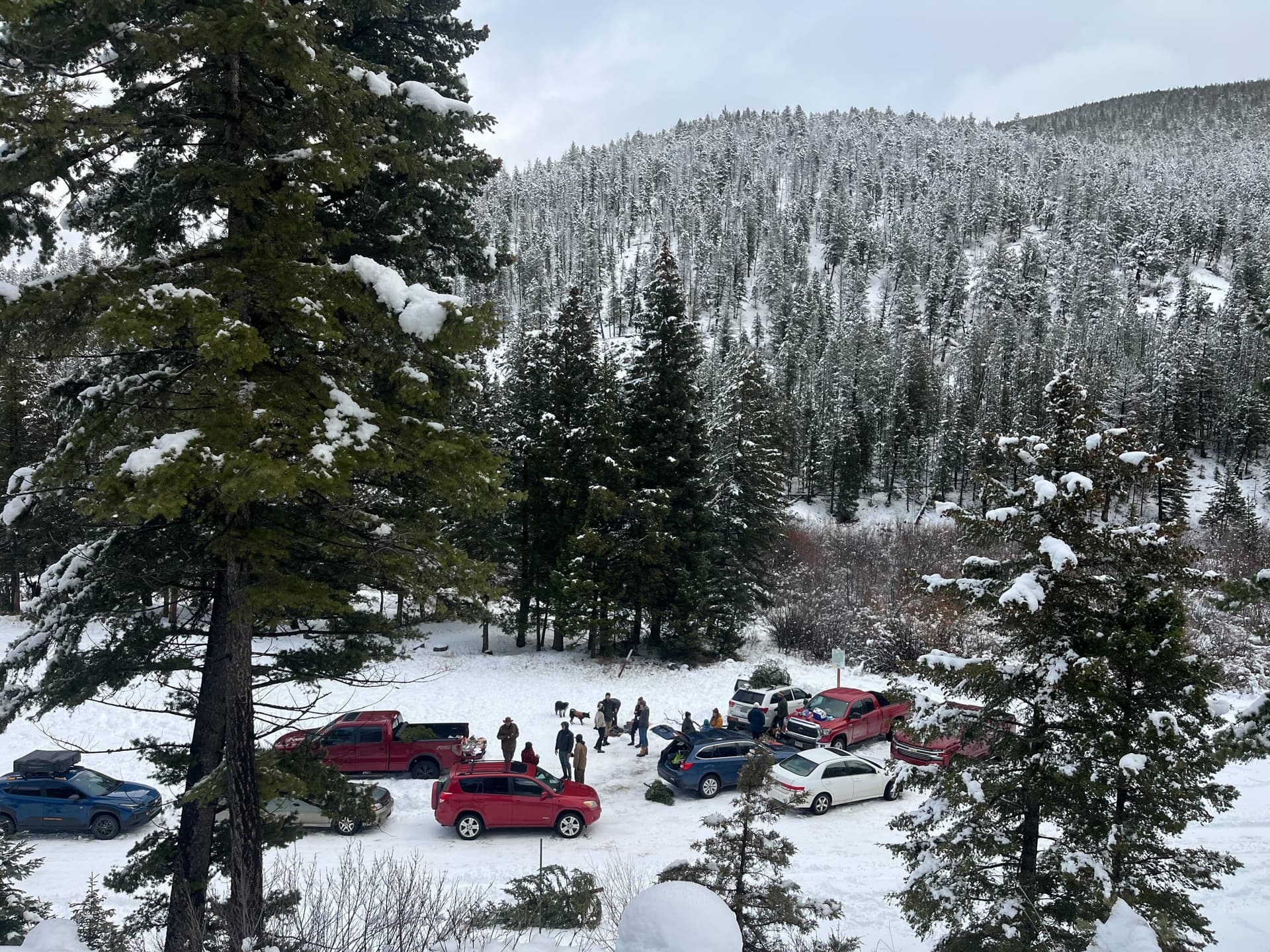
Recreational Christmas tree permits issued on Montana national forests increased from 21,550 in 2016 to 28,878 in 2024, an increase of 34 percent, according to U.S. Forest Service data. The seven national forests that are entirely or mostly in Montana accounted for that growth, with Custer Gallatin issuing the most permits in 2024 and Helena Lewis and Clark National Forest issuing 5,397 permits, about 20 percent of the statewide total.
Helena Lewis and Clark National Forest is centered around Helena and White Sulphur Springs, placing much of the increased seasonal activity squarely in Lewis and Clark County. Households may purchase up to three permits at five dollars each, with each permit authorizing the harvest of one tree for personal use. The permit program is intended to direct harvesting to designated areas and to limit impacts on commercial timber stands and sensitive habitat.

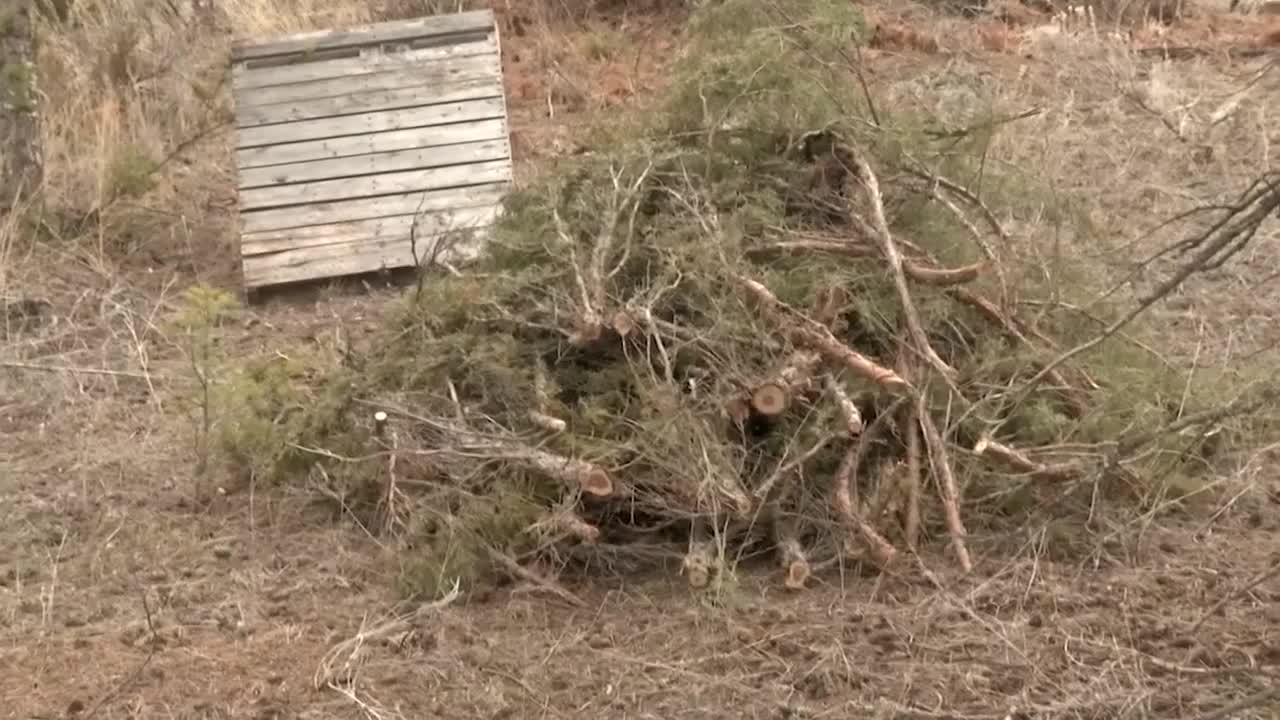
Forest Service officials say recreational cutting is closely managed and can benefit forest health when conducted in designated areas. Removing small diameter trees reduces competition for water, sunlight and nutrients, which can allow remaining trees to grow larger and increase the resistance of stands to wildfire. Managers and local officials face the task of balancing increased public demand for recreational access with conservation goals and road and trail maintenance needs.
For residents of Lewis and Clark County the effects are practical and immediate. Winter traffic along forest roads and at trailheads can rise on weekends as families collect trees, increasing demand for parking and straining access roads that receive limited winter maintenance. Permit sales and compliance checks also create workload for local ranger staff during a season when staffing is often scaled back.
The trend has policy implications for local forest management. Continued growth in recreational harvesting will require clear communication of designated cutting areas, adequate permit enforcement and coordination on road upkeep. Local officials and forest managers will need to monitor whether recreational cutting continues to align with thinning goals and whether additional measures are needed to protect wildlife habitat and watershed values while preserving a popular Montana tradition.
This article was produced by Prism’s automated news system from verified source data, official records, and press releases, then run through automated quality and moderation checks before publishing. The system is built and supervised by the people who set the standards it runs under. Read our full AI policy.
Did this article answer your question?