MTDOT starts Lincoln Road roundabout to ease Helena Valley traffic
Crews broke ground at Lincoln Road and Applegate Drive, where 39 crashes pushed MDT into a roundabout plan. Drivers face delays, single-lane traffic and a one-season build.
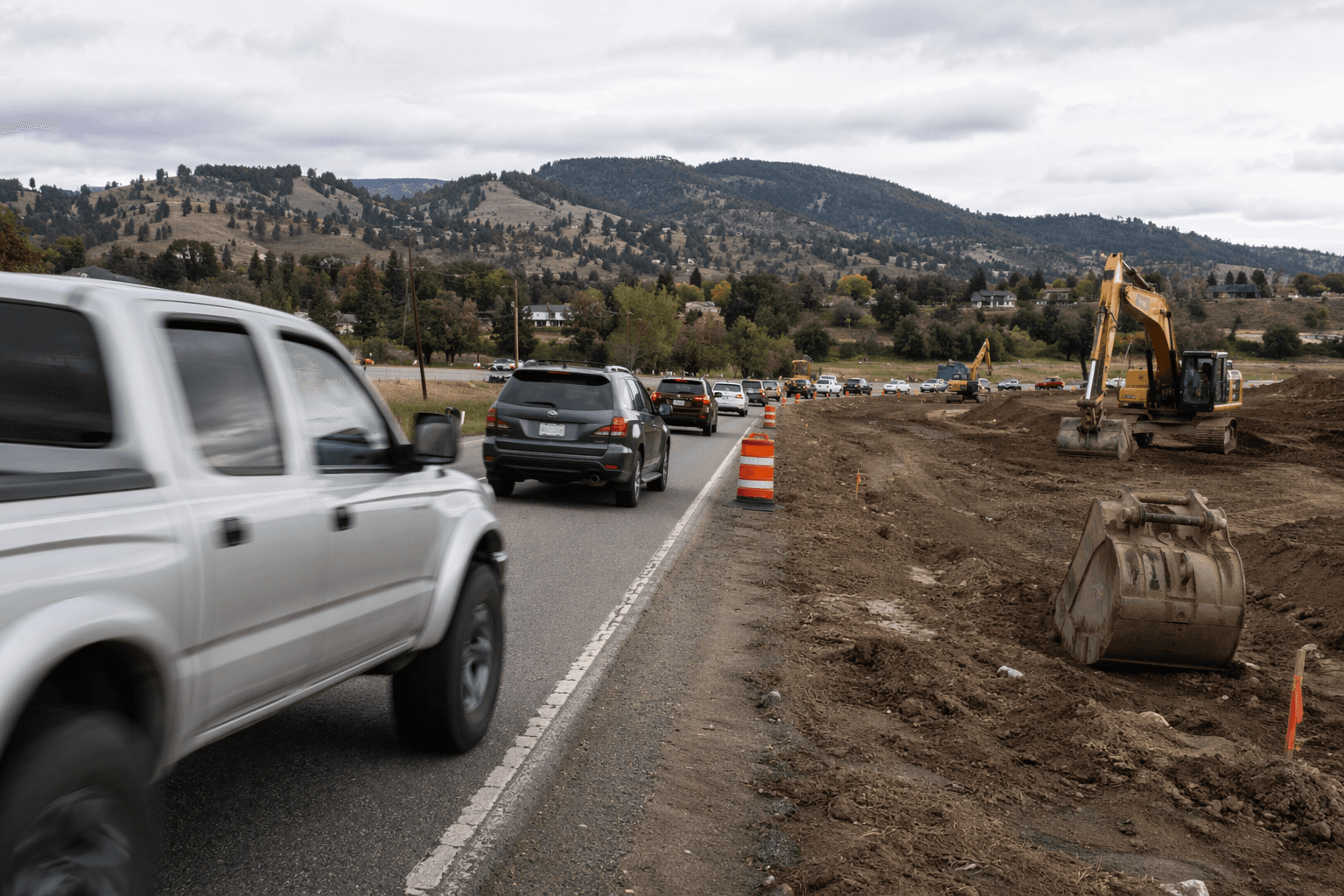
Heavy equipment moved onto Lincoln Road and Applegate Drive as the Montana Department of Transportation began building a roundabout meant to slow traffic through one of the Helena Valley’s most watched growth corridors. Hoffman’s R&M Services LLC is the contractor, and drivers should expect lower speeds and possible single-lane traffic while work continues on a project MDT says will take a single construction season.
The agency is betting on the roundabout because it says the intersection has already shown the risk of keeping traffic patterns unchanged. MDT says Lincoln Road and Applegate Drive saw 39 crashes between 2005 and 2015, including one fatality and three incapacitating injuries. It also says rapid growth in North Helena and the Helena Valley has increased traffic volumes near the intersection, adding congestion and raising the chance of more serious wrecks if the road stays the same.
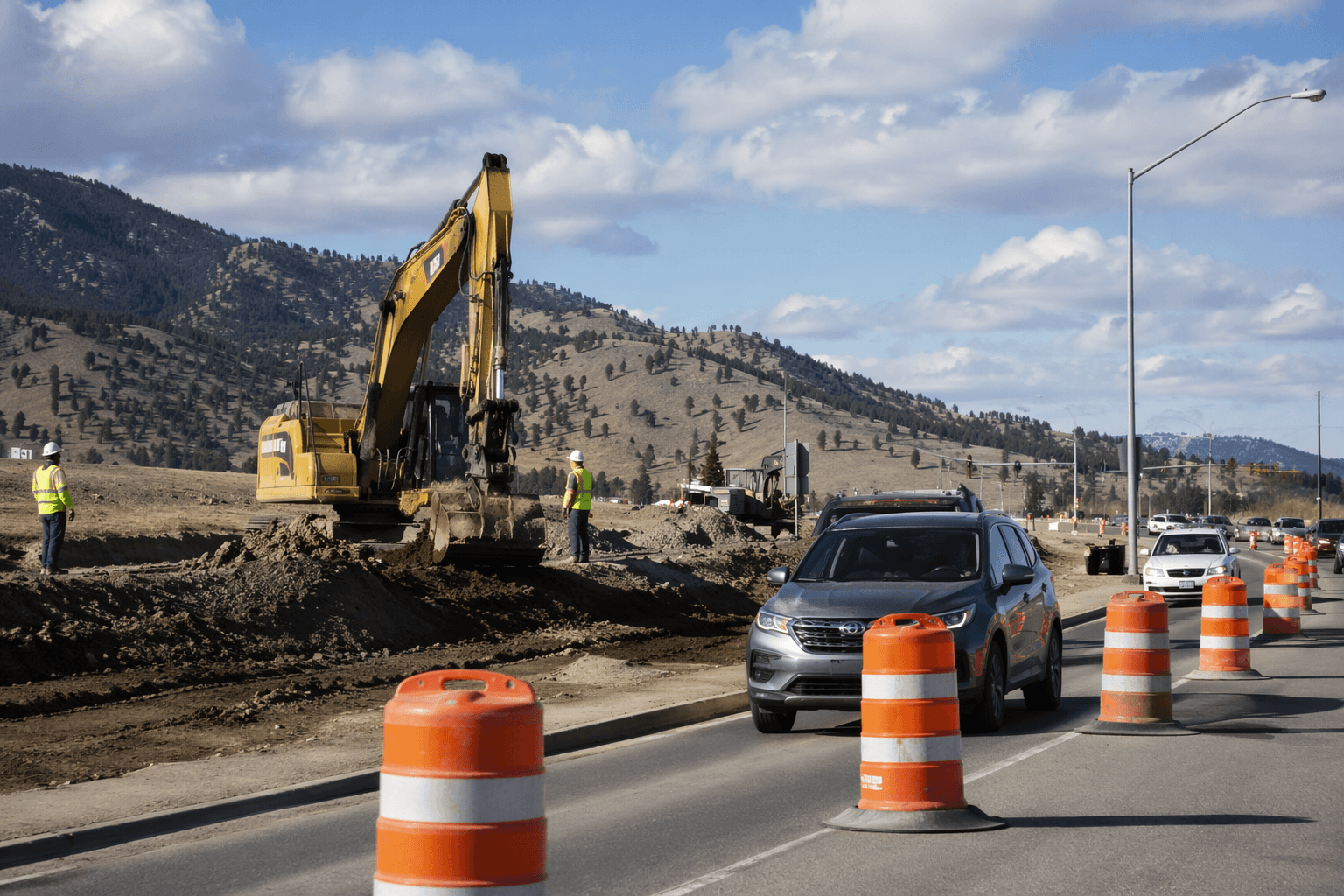
MDT says it studied traffic signals and a four-way stop before choosing the roundabout, weighing statewide safety data, traffic analysis and community input. The design is built for a faster-growing corridor, with 12-foot travel lanes, 2-foot shoulders and an 18-foot-wide truck apron to help larger vehicles move through the circle. The plan also includes pedestrian crossings on each side, lighting, curb and gutter, and no-maintenance landscaping in the center median. MDT targets a 15 mph entry speed for motorists entering the roundabout.
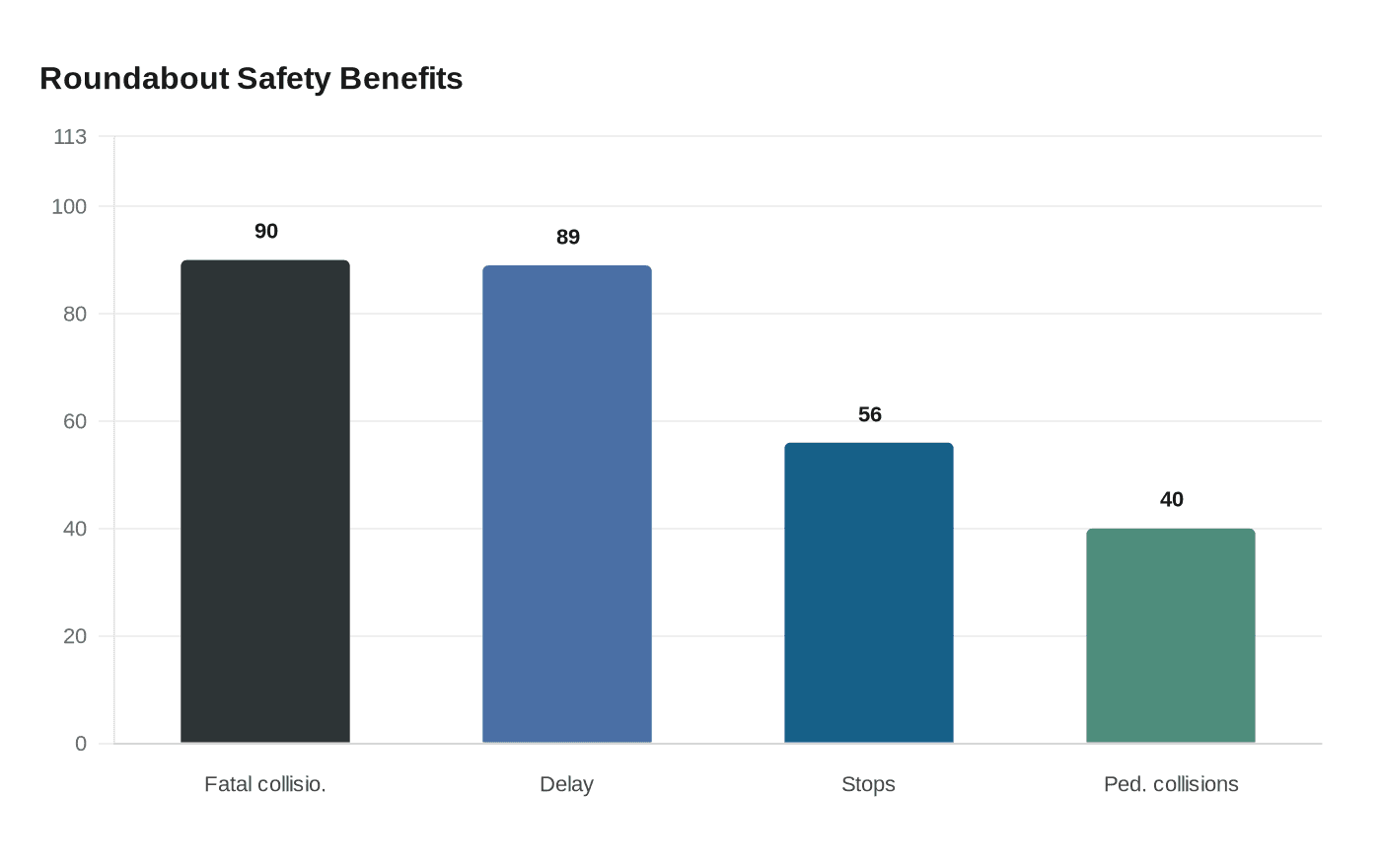
The safety argument is straightforward. MDT says roundabouts have been shown to reduce fatal collisions by up to 90 percent, delay by up to 89 percent, stops by 56 percent and pedestrian collisions by 40 percent. For a valley road that carries commuters, people heading to homes and businesses, and families moving across the area, the agency says the slower, self-regulating design should be a better fit than a conventional intersection.
Not everyone needs statistics to see the problem. Helena Valley resident Isaac Richey said Lincoln Road feels unsafe because “Lincoln is a 60-mile-an-hour road and drivers are trying to merge from a stop into fast-moving traffic.” That concern helped define the local case for change, along with the expectation that more residents will move into the area over the next decade.
MDT says updates will be posted through the project website, local media, mailings, social media and email or text alerts. For now, the message to commuters is blunt: the work will be disruptive, but state transportation officials are treating it as a long-term fix for a corridor they expect to get busier, not calmer.
This article was produced by Prism’s automated news system from verified source data, official records, and press releases, then run through automated quality and moderation checks before publishing. The system is built and supervised by the people who set the standards it runs under. Read our full AI policy.
Did this article answer your question?