New Birth Year Requirement Leads to Thousands of Rejected Ballots
A new law requiring voters to write their year of birth on mail in ballot envelopes contributed to more than 2,700 ballots being rejected this week across Montana's six largest cities, with another 1,278 tossed for signature problems. The wave of rejections prompted increased outreach from county election offices and raised concerns about access and accuracy for Lewis and Clark County voters as officials work to remedy flagged ballots.
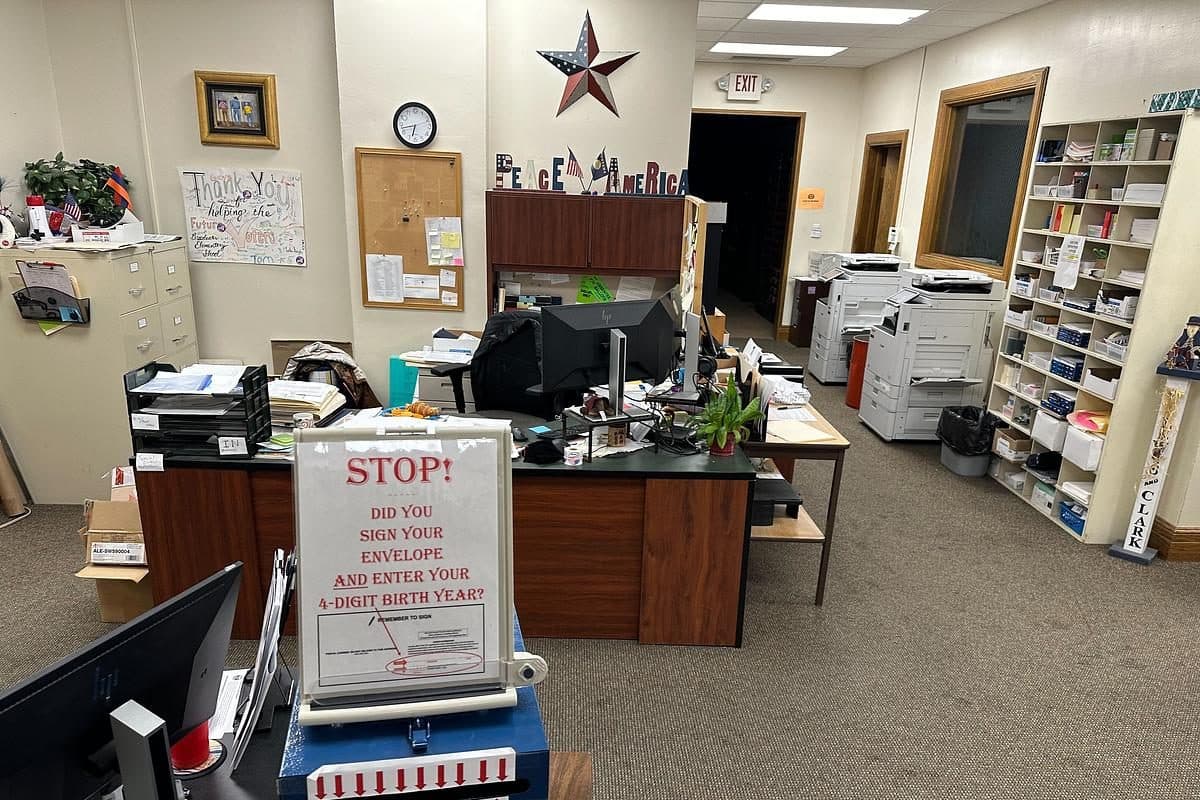
Montana election data compiled by Montana Free Press shows a surge in rejected ballots after the state Legislature enacted a requirement earlier in 2025 that mail in voters add their year of birth to ballot envelopes. Across the six largest cities, more than 2,700 ballots were initially rejected for missing or incorrect birth year information, and an additional 1,278 ballots were rejected for ballot envelope signature issues that have long been part of the absentee process.
Initial rejection rates varied across the state, with Billings and Missoula reporting the highest shares at 4.5 percent, while Helena recorded a rate just under 1 percent. The birth year requirement accounted for roughly half of rejected ballots in Great Falls, Helena and Kalispell, and a substantially larger share in Missoula and Billings where it represented 72 percent and 80 percent of rejections respectively. Many of the ballots rejected for birth year or signature issues have since been or will be counted if voters are able to remedy the problems flagged by election workers.
County election offices in multiple jurisdictions responded by increasing staffing and conducting targeted outreach to contact voters whose ballots were rejected. Several counties reported that about half of the initially rejected ballots were ultimately corrected and counted after the outreach. That remediation reduced the number of disenfranchised votes, but officials described a heavier workload for election staff and an intensive verification process in the days following ballot processing.
The change in state law is part of a broader debate about balancing election integrity and voter access. Supporters of the birth year requirement argue it strengthens verification for mail in ballots, while critics, including advocacy groups for seniors and people with disabilities, say an added line of information increases the risk that voters will make a simple error and have their ballots set aside. In some closely contested races, election analysts noted that the number of rejected ballots was large enough that outcomes could have been affected if remedial action had not been taken.
For Lewis and Clark County residents the immediate impact was muted by a relatively low initial rejection rate in Helena, but the episode highlighted the importance of clear voter guidance and robust county outreach. Local election officials continue to process cures for rejected ballots and urge voters to follow envelope instructions carefully and to respond promptly if contacted about a flagged ballot. The Montana Free Press compilation underscores how changes adopted at the state level can produce uneven effects at the local level and how administrative details can matter greatly in tight contests.
This article was produced by Prism’s automated news system from verified source data, official records, and press releases, then run through automated quality and moderation checks before publishing. The system is built and supervised by the people who set the standards it runs under. Read our full AI policy.
Did this article answer your question?