Powerful Montana Windstorm Triggers Emergency Alerts, Widespread Damage
A rare civil emergency message was issued December 17 as a destructive windstorm swept from one end of Montana to the other, with gusts of more than 90 miles per hour expected in Pondera, Teton, and Lewis and Clark counties. The National Weather Service activated cellphone Wireless Emergency Alerts and local jurisdictions closed hazardous roads as crews worked to assess damage and restore services.

The National Weather Service in Great Falls issued a rare civil emergency message on Wednesday, December 17, as a destructive windstorm pummeled Montana from one end of the state to the other. Forecasters expected wind gusts greater than 90 miles per hour in Pondera, Teton, and Lewis and Clark counties, prompting the agency to deploy the Wireless Emergency Alert system so warnings would reach cellphones and allow people to take immediate action.
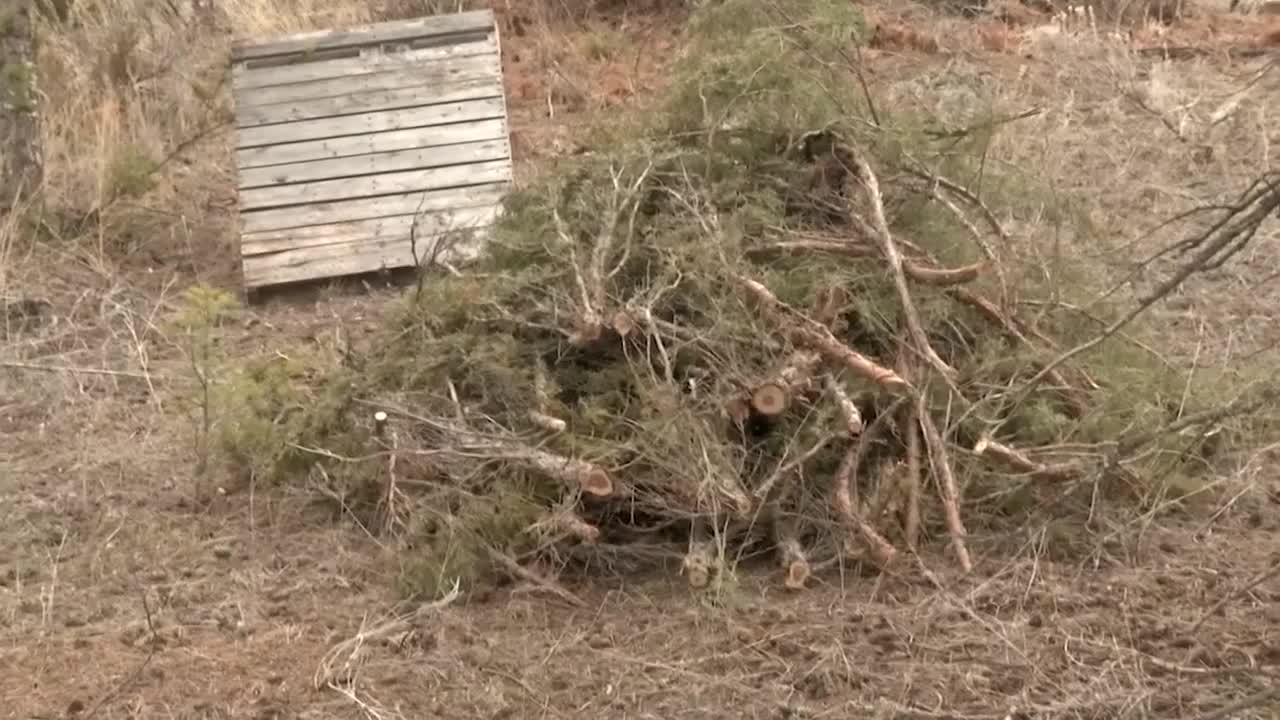
The event produced widespread damage reports across central Montana, with downed power lines and toppled trees recorded in multiple communities. Several semitrucks were reported overturned on highways, and local jurisdictions closed hazardous sections of road while emergency operations centers were stood up to coordinate response and recovery. Utility crews and public works teams moved quickly to evaluate infrastructure damage and begin service restoration, prioritizing safety on affected roadways.
For Lewis and Clark County residents the immediate impacts included travel disruption, potential power outages, and increased debris in neighborhoods and along major routes. County and city agencies mobilized to clear key arteries and to mark or close dangerous stretches until assessments were complete. Emergency managers emphasized that the Wireless Emergency Alert messages were intended to prompt immediate protective actions, and local officials urged residents to heed closure notices and avoid unnecessary travel until crews secure damaged areas.
The storm underscores larger questions about community resilience and emergency communications in the face of extreme weather events. While no single event can be automatically attributed to longer term climate trends without scientific analysis, the scale of damage highlighted vulnerabilities in transportation corridors and electrical distribution that local planners and utilities will need to address as part of recovery and future preparedness.
Crews continued to assess damage and restore services in the days after the storm. Residents should follow guidance from county and city emergency management, monitor local media and official alerts on their cellphones, and report downed power lines or hazardous conditions to authorities rather than attempting to clear them themselves.
This article was produced by Prism’s automated news system from verified source data, official records, and press releases, then run through automated quality and moderation checks before publishing. The system is built and supervised by the people who set the standards it runs under. Read our full AI policy.
Did this article answer your question?