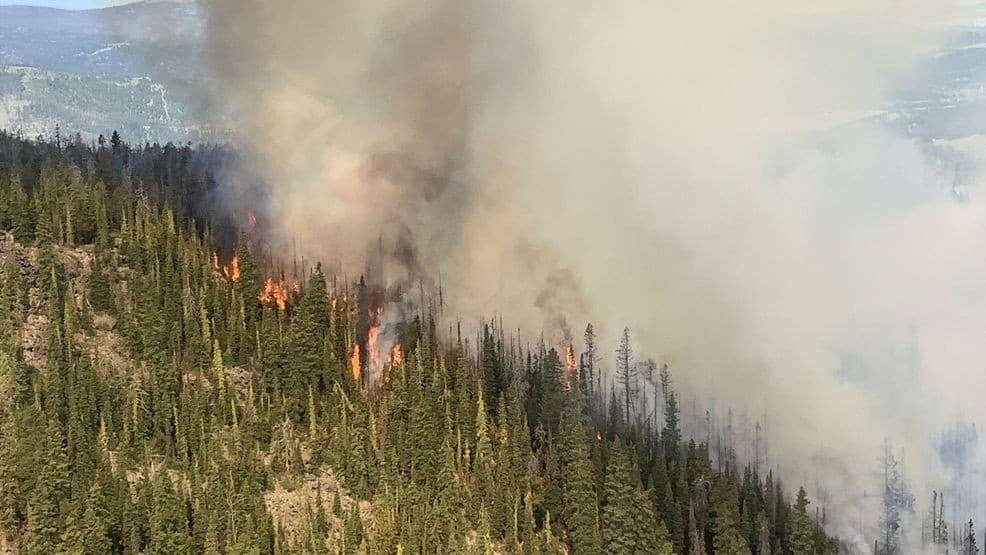
Record High Winds Sweep Montana, State Mobilizes Emergency Response
A severe high wind event beginning December 17 produced record gusts over 90 miles per hour and sustained winds near 65 miles per hour, causing widespread damage across Montana and prompting multiple emergency declarations. Local residents should expect power outages, downed trees and continued cleanup as state and tribal authorities coordinate response and resources.
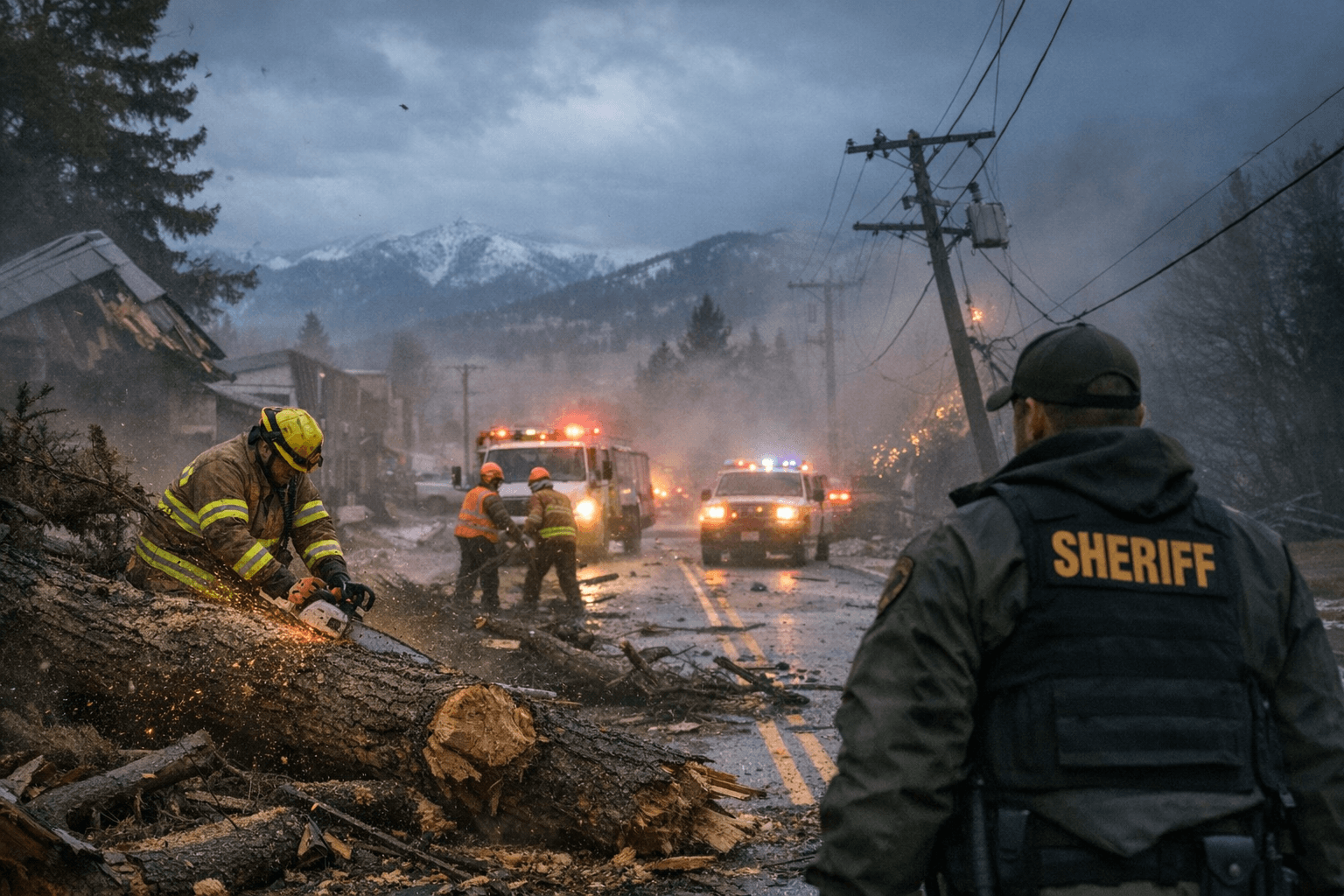
A major high wind event moved through Montana beginning December 17, producing record setting gusts above 90 miles per hour and sustained winds near 65 miles per hour that caused widespread damage to power lines, trees, vehicles and buildings. Large amounts of debris from fallen or damaged trees blocked roads and hampered travel and emergency work across central and eastern parts of the state.
Local emergency declarations were already in place in Ravalli, Wheatland, Mineral and Flathead counties, and in the cities of Hamilton and Harlowton. City, county, state and tribal personnel are deploying to remove debris and conduct emergency repairs. The Montana Disaster and Emergency Services State Emergency Coordination Center is activated and officials expect to receive additional declarations from local and tribal jurisdictions as a winter storm cell continued to move through central and eastern Montana.
Governor Greg Gianforte issued an executive order authorizing the use of necessary state government services and funds to meet needs arising from the event. That directive frees state resources for debris removal, infrastructure repairs and coordination with county and tribal authorities. State level activation aims to speed assistance while local crews focus on immediate hazards such as downed power lines and blocked roadways.
For residents of Lewis and Clark County the immediate impacts are likely to include sporadic power outages, debris littering neighborhood streets and potential delays for travel and deliveries. Fallen trees and broken limbs may create safety hazards around homes and public spaces, and residents should expect utility repair timelines to vary depending on damage concentration across the region. Tribal communities and rural jurisdictions may face extended recovery times where access and resources are limited.
The sequence of emergency declarations and activation of the state coordination center underscores the scale of the storm and the multi jurisdictional response it requires. As crews work to clear roads and restore power, officials continue to monitor conditions and coordinate assistance between county, state and tribal partners to help communities recover.
Know something we missed? Have a correction or additional information?
Submit a Tip