Record Indigenous Representation Shapes Montana Legislature's 2026 Session
The 69th Montana Legislature convened on Monday, Jan. 6, 2026, and over a dozen newly elected Indigenous lawmakers were sworn in, marking an historic expansion of tribal representation in Helena. For Lewis and Clark County residents, the shift promises greater attention to Indigenous language education, cultural preservation, and missing and murdered Indigenous people policy debates that intersect with local schools, law enforcement, and community services.
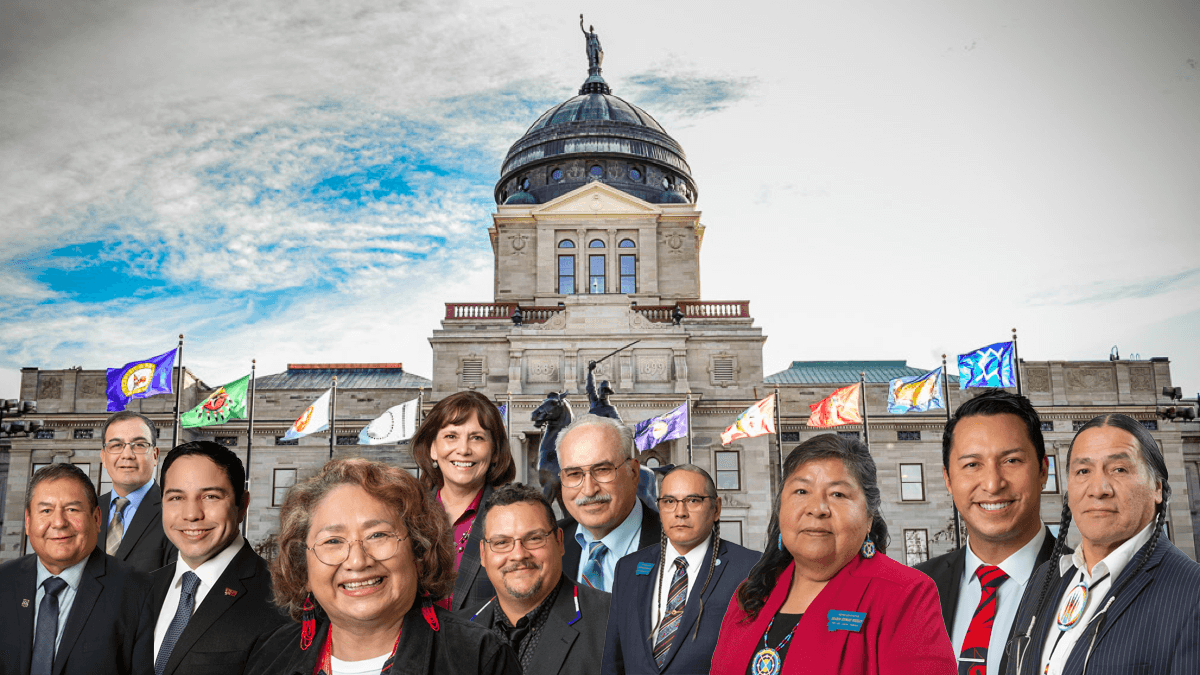
The Montana statehouse opened its 2026 session on Jan. 6 with a notable change in its legislative makeup: more than a dozen newly elected Indigenous lawmakers took their oaths, increasing tribal voices in Helena at the start of the 69th Legislature. The swell in representation was framed by legislators as a historic moment and a signal that Native priorities will have a louder platform in policy debates this year.
Among those sworn in was Mariah Camel, affiliated with the Confederated Salish and Kootenai Tribes (CSKT), one of the incoming Indigenous lawmakers identified as part of this cohort. New legislators signaled a focus on several issues that directly affect tribal communities across Montana, including expanded Indigenous language education, cultural preservation initiatives, and renewed efforts to address missing and murdered Indigenous people, commonly known as MMIP. Lawmakers described plans to advance these priorities through the American Indian Caucus, which is expected to be a central organizing voice during the session.
For Lewis and Clark County residents, the bolstered Indigenous presence in the Legislature carries concrete implications. Decisions made in Helena will shape funding and programming for local school districts that serve Native students, influence partnerships between county law enforcement and tribal authorities, and determine whether state resources are directed toward cultural centers, language revitalization programs, and MMIP investigations. As the state capital and home to county government, Helena will be the forum where those intersections are negotiated.

The expanded representation also reflects a broader political shift that could alter how state-level policymaking accounts for tribal sovereignty, cultural heritage, and cross-jurisdictional coordination. Increased Indigenous participation in the legislative process may lead to new collaborations on education curriculum, public safety protocols, and health services that recognize tribal perspectives and legal frameworks.
As the 69th Legislature proceeds, local leaders and residents should monitor committee assignments, proposed bills, and budget decisions that pertain to tribal matters. Enhanced Indigenous representation in Helena offers an opportunity for more inclusive policymaking, but translating that representation into tangible benefits will depend on negotiations within a diverse legislative body and the sustained engagement of communities across Lewis and Clark County.
Know something we missed? Have a correction or additional information?
Submit a Tip