St. Peter’s Health loses rural funding, threatening forensic nursing services
St. Peter’s forensic nurses could lose more than $700,000 by September, putting 24/7 sexual-assault care in Helena and beyond at risk.

A Helena hospital program that sees 60 to 70 patients a year now faces the loss of more than $700,000 in federal support, a blow that could shrink specialized care for sexual-violence survivors across Lewis and Clark County and beyond. St. Peter’s Health lost the rural designation funding that made it eligible for the grant, and the money now tied to its forensic nursing services is set to run out in September 2026.
The program was built to meet a growing local need. Created in January 2022, it started with six specially trained nurses who work in St. Peter’s emergency department, where privacy, speed and trauma-informed care matter most. Those nurses collect evidence, explain options to patients and provide care around the clock to emergency department patients who have experienced sexual violence. Forensic nursing coordinator Whitney Brothers said the uncertainty around the program is deeply stressful, and said having nurses in the ER gives the team enough time to deliver all available care.

The federal grant comes from the Office on Violence Against Women, which funds rural efforts to address sexual assault, domestic violence, dating violence and stalking, including Sexual Assault Nurse Examiner programs. St. Peter’s Health Foundation said the hospital received a $732,000 grant to expand forensic nursing, and that funding has been the program’s main financial support since October 2023. Because St. Peter’s no longer qualifies under the rural designation, the hospital cannot keep drawing from that grant once it expires.
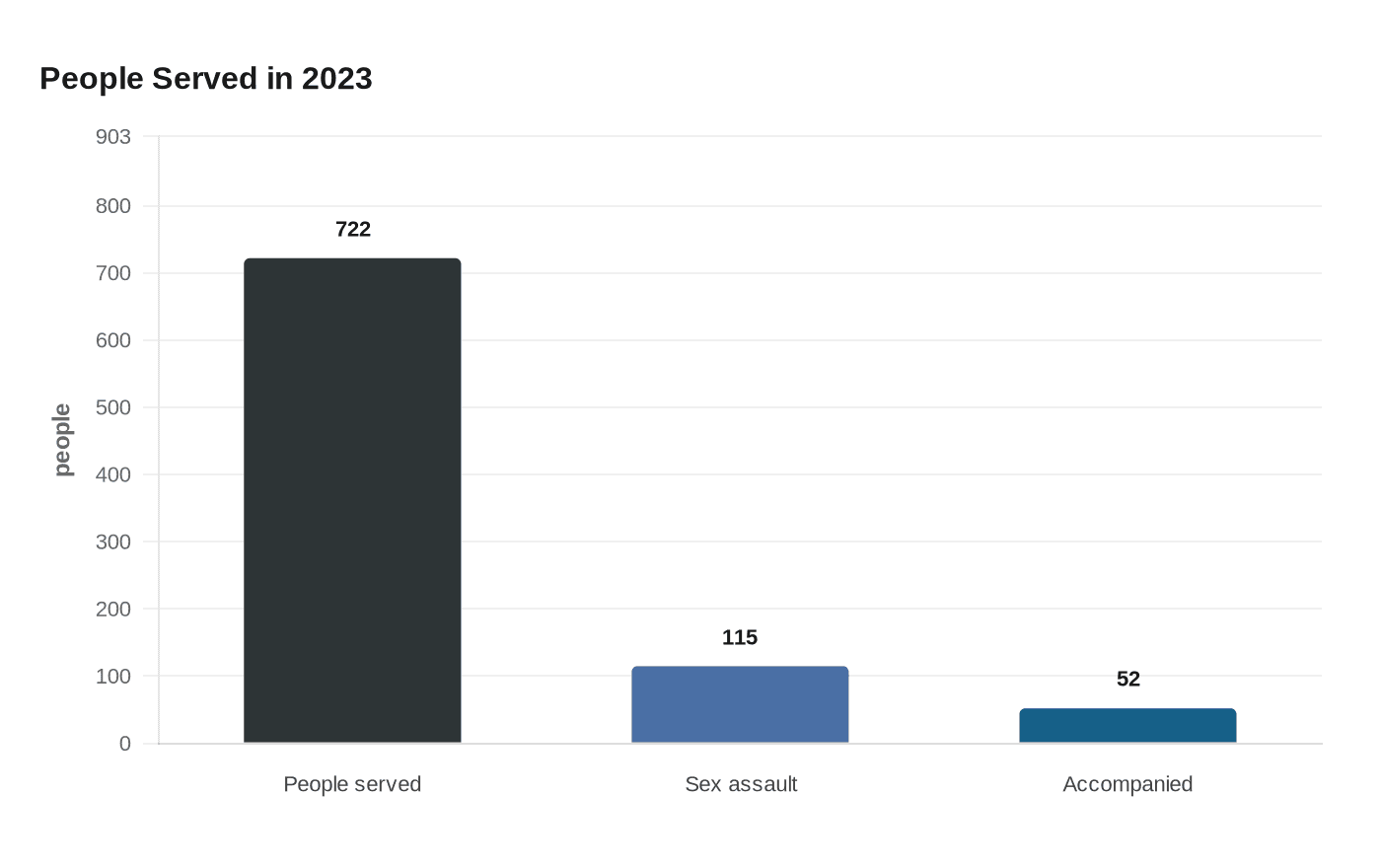
The stakes extend well beyond one department. The Friendship Center in Helena, the only agency in the tri-county area dedicated to domestic and sexual violence survivors, served 722 people in 2023, including at least 115 victims of sexual assault. Fifty-two of those survivors were accompanied to a hospital, medical facility or forensic exam, and Helena-area reporting showed that almost half of the sexual-violence victims helped in the tri-county area received a forensic exam at a hospital or clinic. If St. Peter’s cannot replace the funding, fewer survivors may be able to get the kind of immediate, specialized care that can affect both their medical recovery and their case in court.
The hospital’s reach is already regional. Patients have come from as far away as Havre, and the forensic team has also been serving victims of other forms of domestic violence and patients of all ages. Angie Quintero, RN, was identified as a forensic nurse who had been doing the work before the official program existed, after training through a special course in Great Falls. For county and state leaders, the loss leaves a clear question: whether any realistic public or private source can replace a federal grant that has become central to one of Helena’s most fragile pieces of the health-care safety net.
This article was produced by Prism’s automated news system from verified source data, official records, and press releases, then run through automated quality and moderation checks before publishing. The system is built and supervised by the people who set the standards it runs under. Read our full AI policy.
Did this article answer your question?