State warns Helena-area recreationists about harmful algal blooms
A confirmed bloom can trigger a two-week advisory around Helena, and officials warn the water can still look inviting even when it can sicken people and pets.

State agencies are warning people around Helena to watch for harmful algal blooms in Montana lakes and reservoirs as summer recreation ramps up. The blooms can release toxins that may irritate skin, make people sick and be fatal to pets or livestock if swallowed, turning a routine swim, boat ride or shore visit into a health risk.
The Montana Department of Environmental Quality said in a June 19 press release that the safest response is to watch the water closely, avoid suspicious-looking areas and report suspected blooms at HAB.mt.gov. State health officials also say the online HAB map is built from public reports and does not show every bloom or the full potential of a waterbody, so a lake without a posted advisory is not necessarily clear of trouble.
For Lewis and Clark County families, the warning has immediate local weight. Helena sits near popular summer water destinations where people fish, paddle, swim and bring dogs along, and officials say harmful blooms often gather in shallow, warmer areas such as coves and shorelines. That means the risk may be highest where people and pets are most likely to wade in close to shore.
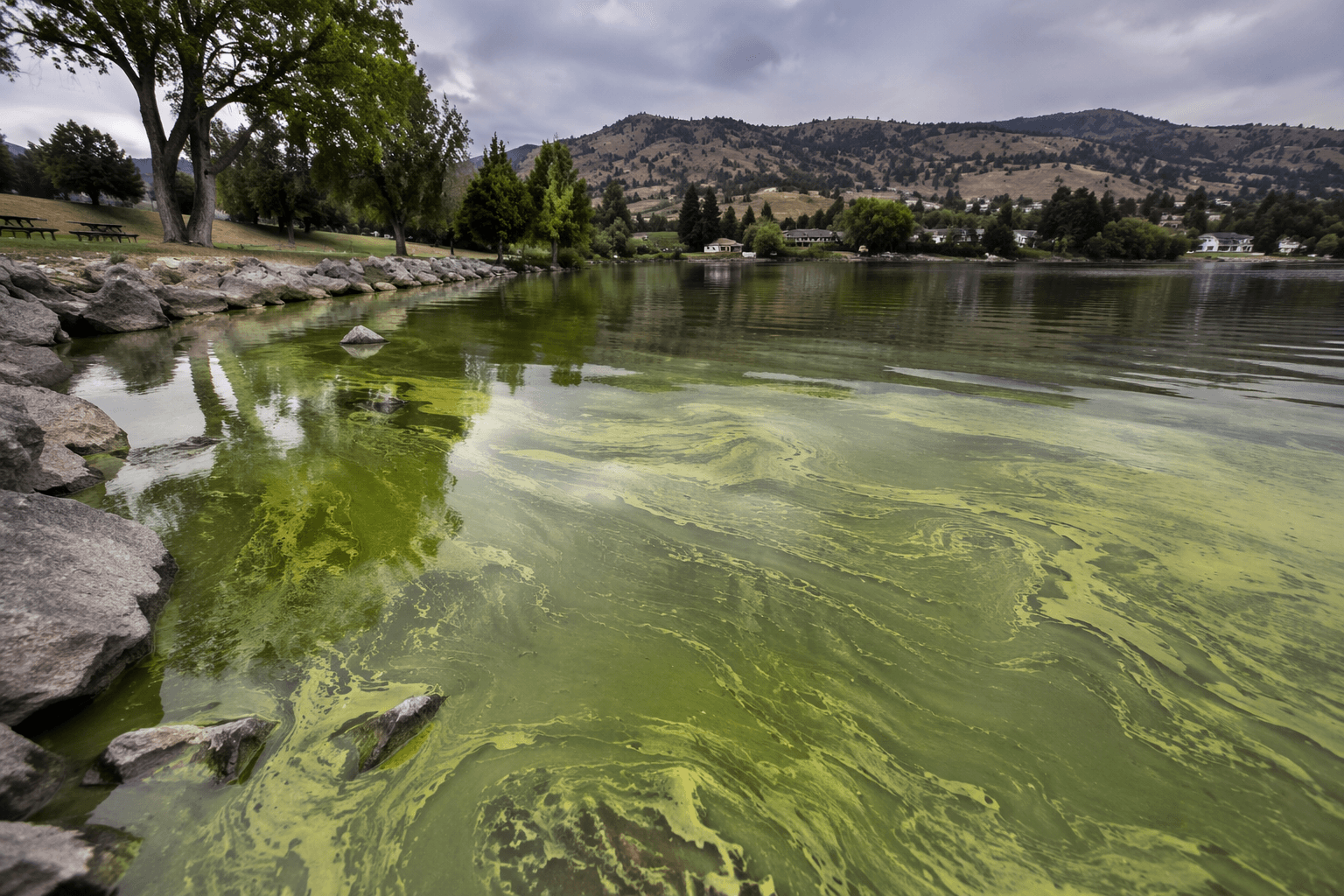
Montana officials have said blue-green algae are native organisms that normally occur at low, safe densities in lakes, streams and reservoirs. Trouble starts when nutrient pollution, sunlight and warm temperatures drive rapid growth. When a bloom is visually confirmed, DEQ issues the appropriate advisory and keeps it in effect for two weeks, creating a clear cutoff between caution and a hard no-go period.
The warning is not hypothetical in the Helena area. Lake Helena had a documented harmful algal bloom in July 2025, and local officials warned residents and pet owners to stay away from bright-green water that can look like spilled paint or pea soup. That same visual cue remains one of the simplest ways to spot trouble, even though the water may still look deceptively attractive from a distance.
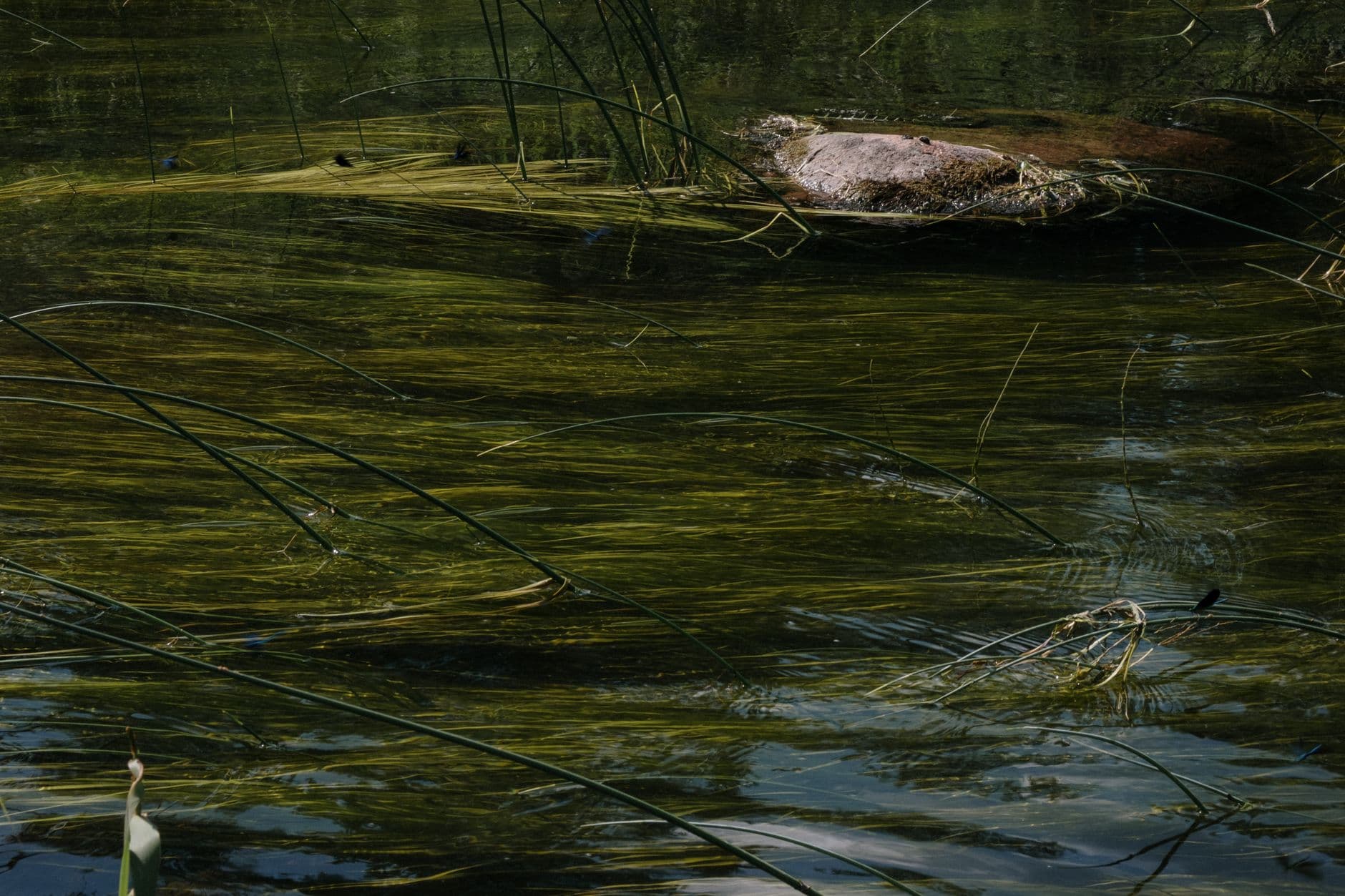
Officials have also said Montana averages about 35 to 45 confirmed HAB reports each season, underscoring that this is a recurring summer hazard rather than a one-time event. For local recreation and lakeside business, the stakes are immediate: one bloom advisory can change whether families head to the water, launch a boat or keep a dog on shore.
This article was produced by Prism’s automated news system from verified source data, official records, and press releases, then run through automated quality and moderation checks before publishing. The system is built and supervised by the people who set the standards it runs under. Read our full AI policy.
Know something we missed? Have a correction or additional information?
Submit a Tip