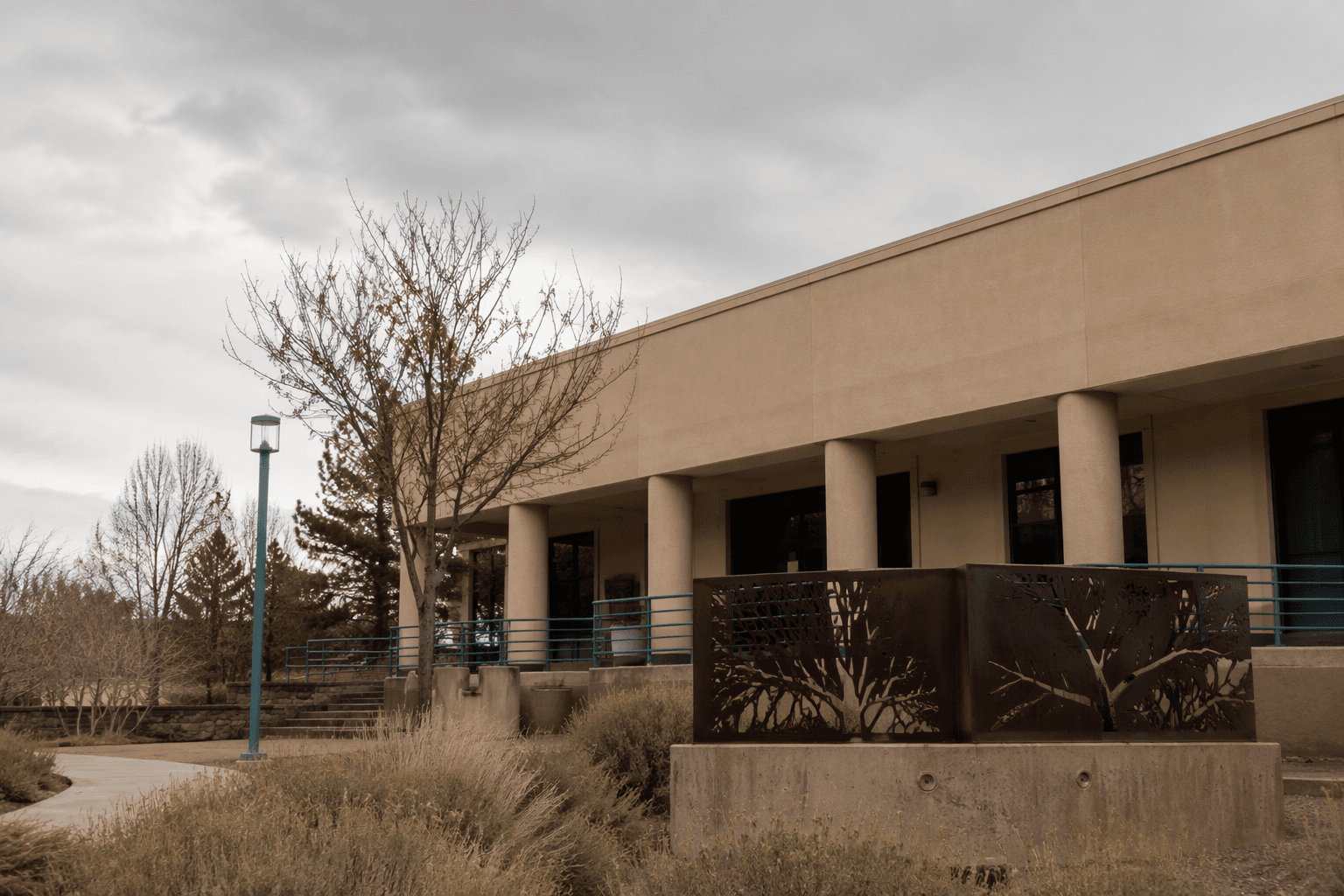
Analysis warns plutonium accident at Los Alamos could kill more people
A new analysis says a plutonium release at Los Alamos could kill more people than federal planners assumed, as the lab ramps up to 80 pits a year.
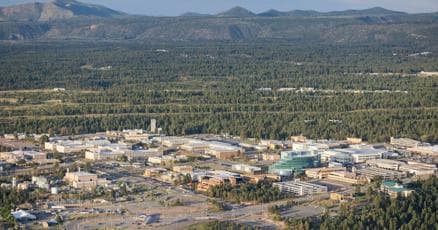
A new analysis says a plutonium release at Los Alamos National Laboratory could kill more people than federal planners had assumed. The finding lands as the lab is rebuilding the nation’s supply of plutonium pits, the fissile cores, or triggers, of nuclear weapons, with the National Nuclear Security Administration asking Los Alamos to produce at least 80 a year.
Los Alamos said the mission reached a major milestone on Oct. 1, 2024, when the NNSA “diamond-stamped” the first production unit plutonium pit. That expansion has sharpened the stakes for residents in Los Alamos County, where any serious accident would involve not just the laboratory workforce but also nearby neighborhoods, school routes, and emergency response planning.
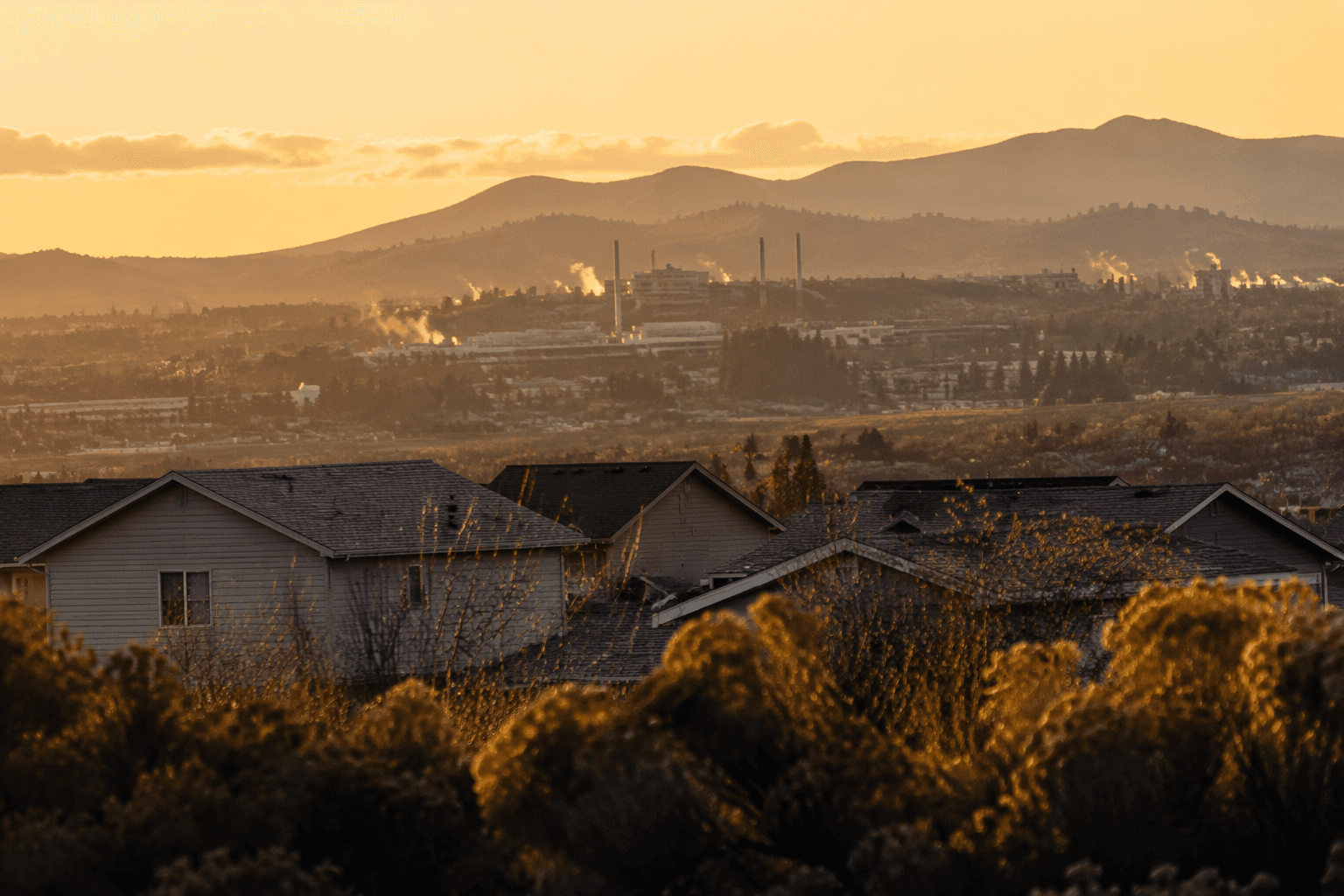
The new analysis directly challenges a federal assumption that “only” 9 people would die from this kind of plutonium loss of containment. That low estimate mattered because it helped drive the view that a ventilation system was not necessary, a decision now being pressed hard by critics who say the danger was understated from the start.
The concern is not abstract. A 2014 plutonium-facility breach at Los Alamos led to 15 workers being evaluated for potential exposure. More recently, the Defense Nuclear Facilities Safety Board said in a 2025 letter that it has focused for decades on the nuclear safety posture of the Plutonium Facility at Los Alamos and has identified significant public health and safety issues.
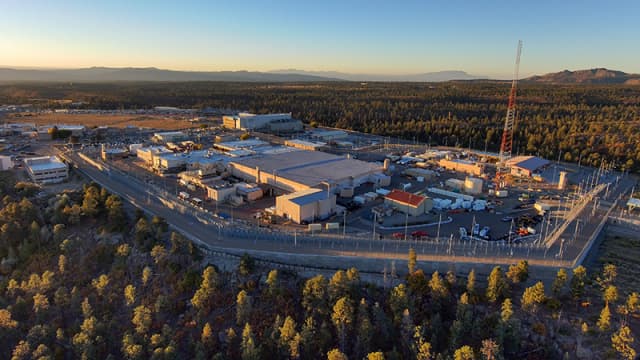
Those warnings arrive against a broader backdrop of aging infrastructure and contamination that has extended beyond the laboratory fence. Watchdogs and researchers have found extreme plutonium contamination in Acid Canyon, and contamination has also been documented in Los Alamos Canyon and other areas miles from the lab, including recreational areas on the Pajarito Plateau. That leaves nearby residents, workers and county planners facing the same question: how much additional risk can the community absorb while the site is pushed to make more bomb cores?
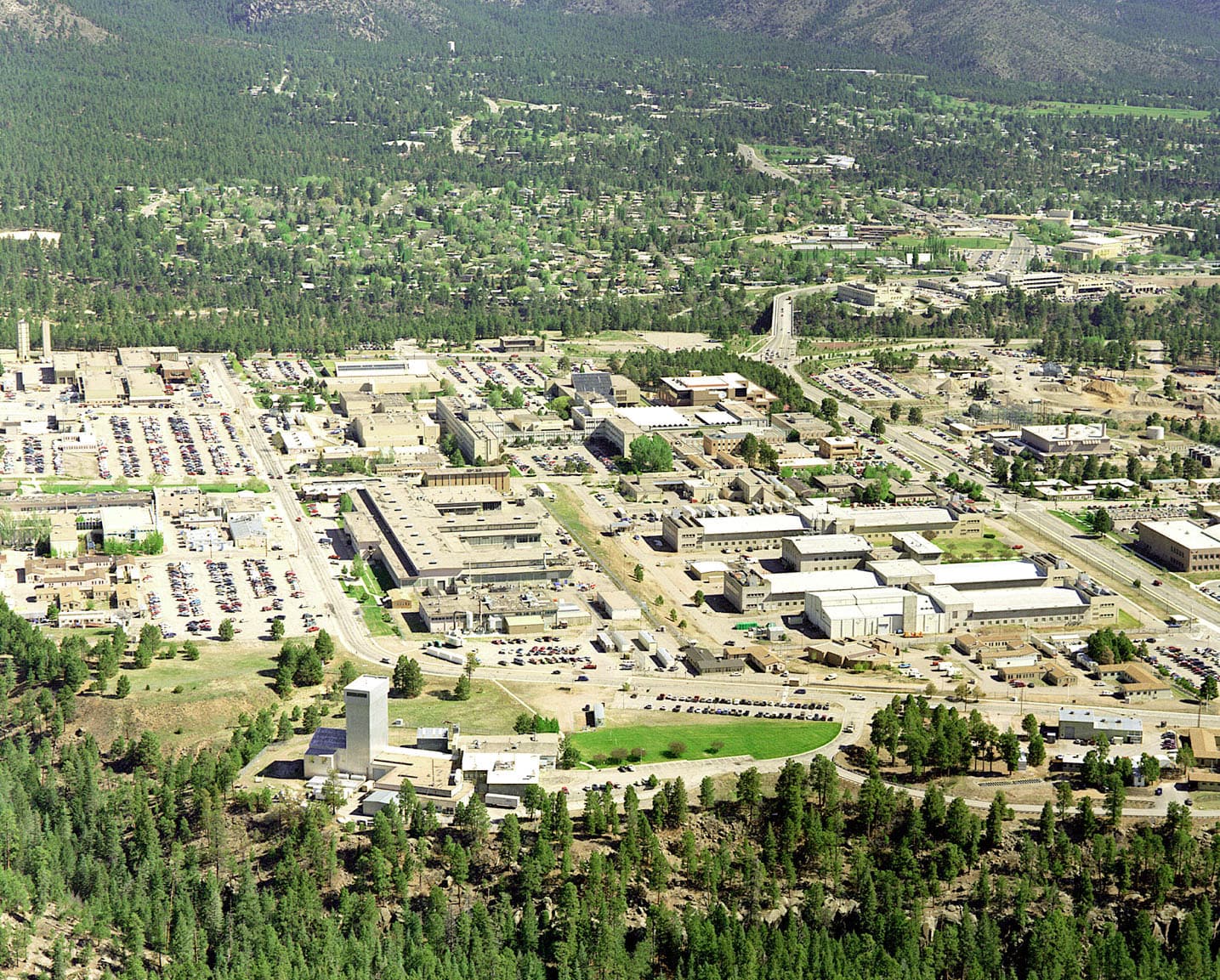
New Mexico officials and environmental watchdogs have also been pressing federal agencies over nuclear waste and cleanup responsibilities at the lab. With pit production increasing and unresolved contamination still on the books, Los Alamos is being asked to expand one of the most dangerous parts of the nuclear weapons complex before the safety margins around it are settled.
This article was produced by Prism’s automated news system from verified source data, official records, and press releases, then run through automated quality and moderation checks before publishing. The system is built and supervised by the people who set the standards it runs under. Read our full AI policy.
Did this article answer your question?