Bill would protect 85,000 acres near Los Alamos County
A bipartisan bill would shield 85,000 Caja del Rio acres from new roads and mining, including land above White Rock and the Rio Grande.
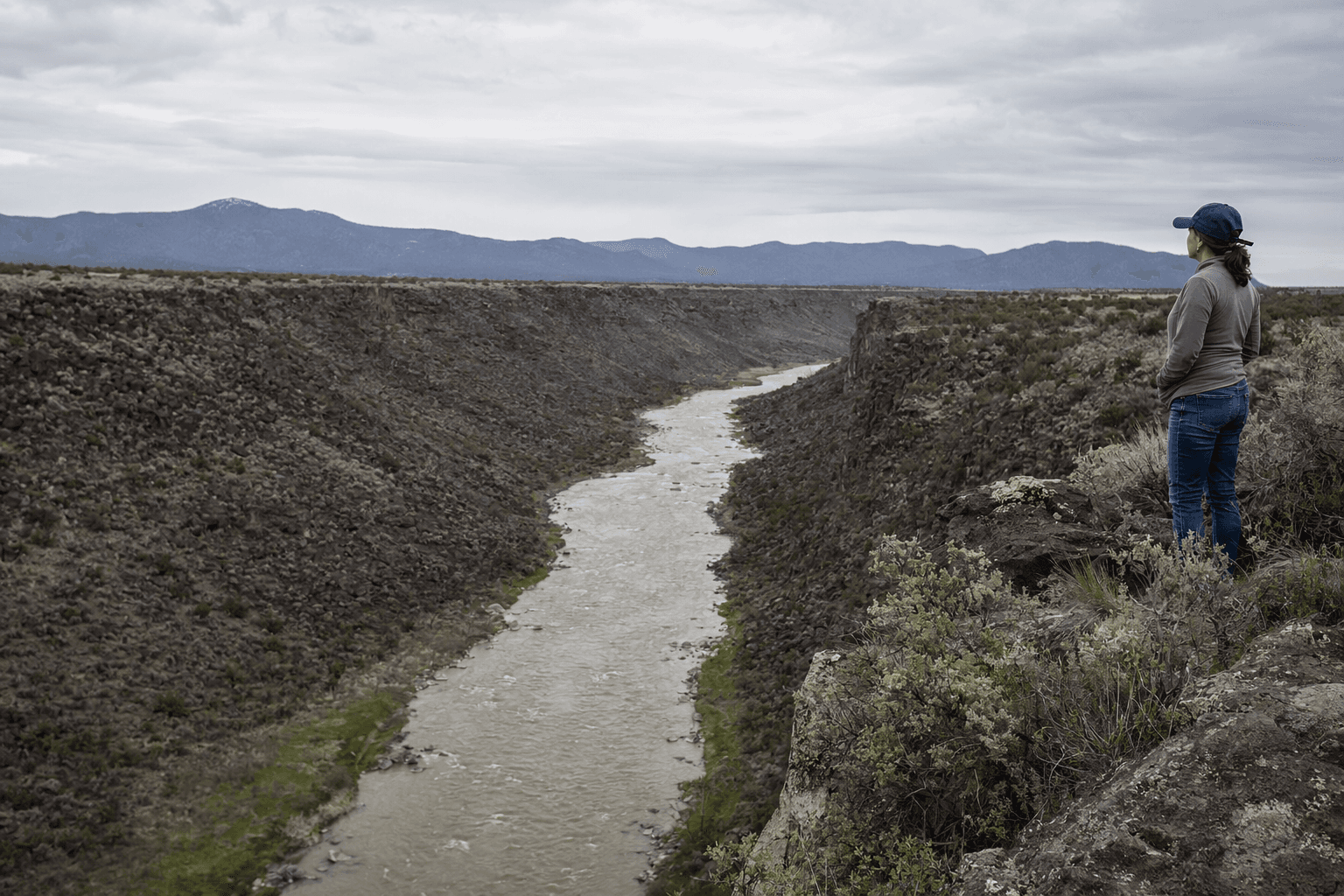
A bipartisan federal bill would lock in protections across 85,000 acres of the Caja del Rio, including the White Rock stretch of the Rio Grande corridor, by barring new road construction, mining and new rights-of-way while keeping grazing, hunting, herb gathering and other traditional uses in place. The proposal would split the protected federal land into a 67,163-acre U.S. Forest Service Special Management Area and a 17,837-acre Bureau of Land Management National Conservation Area, a change that would shape what kinds of development, recreation and access are allowed on the plateau south of Santa Fe and within reach of Los Alamos County.
Sen. Martin Heinrich and Rep. Teresa Leger Fernández unveiled the Caja del Rio Protection Act on May 8 in front of the La Cieneguilla Petroglyphs in Santa Fe. The Senate version is S. 4458 and the House companion is H.R. 8616. Under the bill, federal land managers would have to consult with area Tribes and coordinate with local governments and traditional communities, while also protecting confidential Indigenous knowledge and sacred-site locations from disclosure under the Freedom of Information Act.
The stakes are not just symbolic. La Cieneguilla Petroglyphs is one of the largest concentrations of ancient rock carvings in New Mexico, and the Caja also contains one of the most historically intact sections of El Camino Real. Earlier advocates described the broader Caja del Rio landscape as roughly 107,000 acres, with about 67,600 acres managed by the Forest Service and the rest by the Bureau of Land Management. Supporters say the plateau is a wildlife corridor and grazing landscape used for pilgrimage, firewood gathering, hunting and other traditional purposes by nearby Pueblos and Spanish land grant communities.
The bill has drawn unusually broad backing. The All Pueblo Council of Governors unanimously endorsed the forthcoming legislation in March 2026, and supporters have included local governments, Tribes, ranchers, community organizations, conservation groups, outdoor recreation advocates and faith leaders. In earlier calls for permanent protection, Heinrich, Ben Ray Luján and Leger Fernández asked Agriculture Secretary Tom Vilsack to recommend national monument designation for the area.
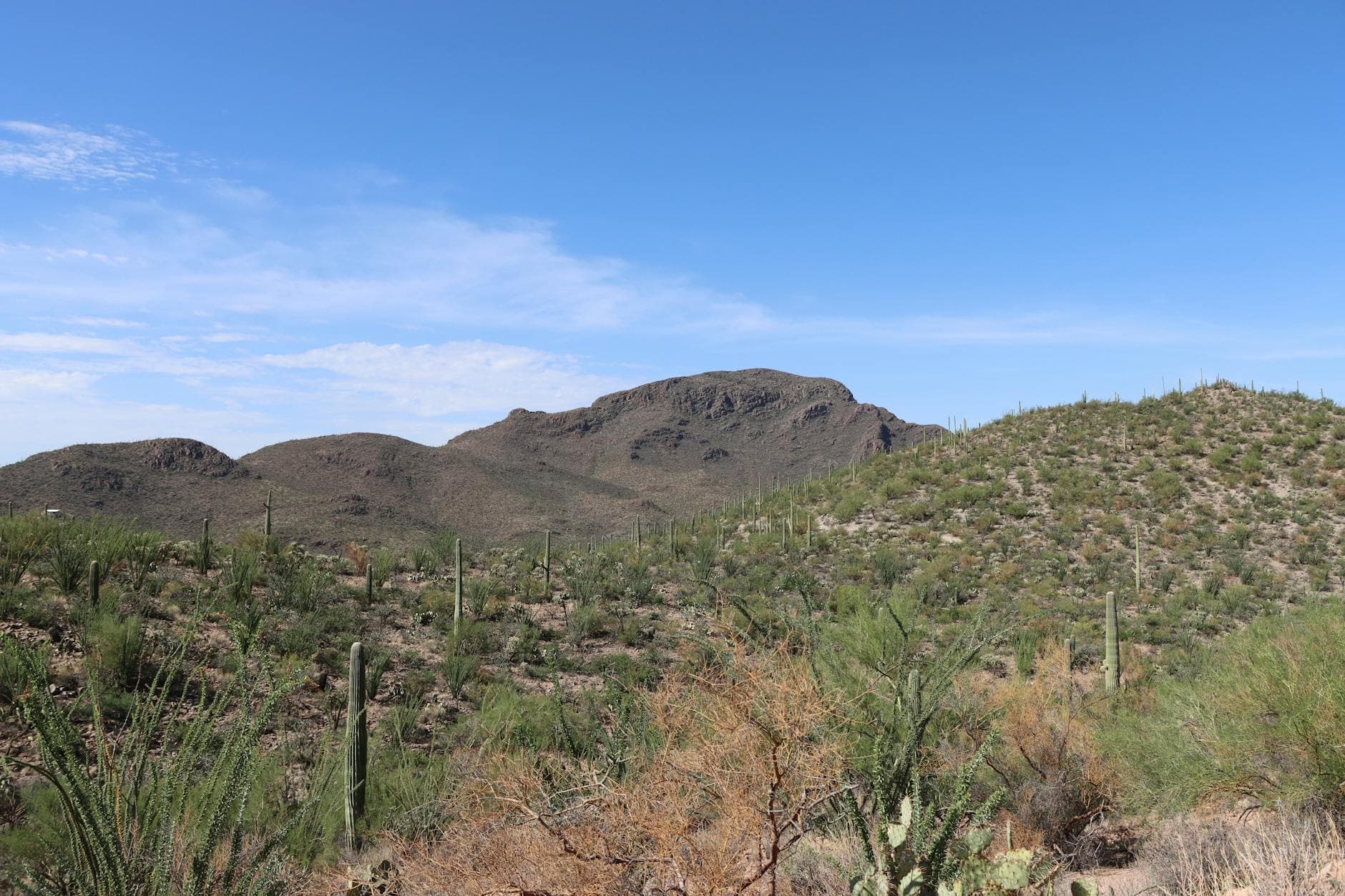
For Los Alamos County and White Rock residents who use the region for access, recreation and views across the Rio Grande, the bill would preserve public entry while limiting damaging motor-vehicle routes. Heinrich’s office said a travel management plan would maintain motorized use on Old Route 66 while restricting roads that harm the ecosystem and cultural sites, a move that would narrow future development pressure and set firmer federal rules on a landscape long contested for its cultural and ecological value.
This article was produced by Prism’s automated news system from verified source data, official records, and press releases, then run through automated quality and moderation checks before publishing. The system is built and supervised by the people who set the standards it runs under. Read our full AI policy.
Did this article answer your question?