Federal plan could boost Los Alamos plutonium pit production to 80 a year
Los Alamos could be asked to sustain 80 plutonium pits a year, putting safety, cost and community impacts in the spotlight for a 90-day public review.

Federal regulators have opened the door to a larger role for Los Alamos in the nation’s nuclear weapons enterprise, with a draft review that envisions production of at least 80 plutonium pits a year and a 90-day window for public comment. The National Nuclear Security Administration released the draft programmatic environmental impact statement on April 10, and the document looks out over a 50-year horizon.
For Los Alamos, the choices on the table are not abstract. One alternative would keep production at 30 pits a year at Los Alamos National Laboratory, with the ability to surge to 80. Another would move toward a multi-site system with production in New Mexico and South Carolina. NNSA has said it is trying to meet a requirement to produce no fewer than 80 pits a year as close to 2030 as possible, using two existing sites and a recapitalized Plutonium Facility 4 at Los Alamos. In 2020, the agency said Los Alamos would produce a minimum of 30 war reserve pits per year during 2026 and would push beyond that level if needed.
That timeline matters because the final decision still rests with NNSA. Even so, the comment period gives residents, watchdog groups and elected officials a formal chance to press for more detail on safety oversight, transportation, waste management and costs. The agency’s own notice said it would hold virtual scoping meetings and take comments on the review’s scope, environmental issues and alternatives.
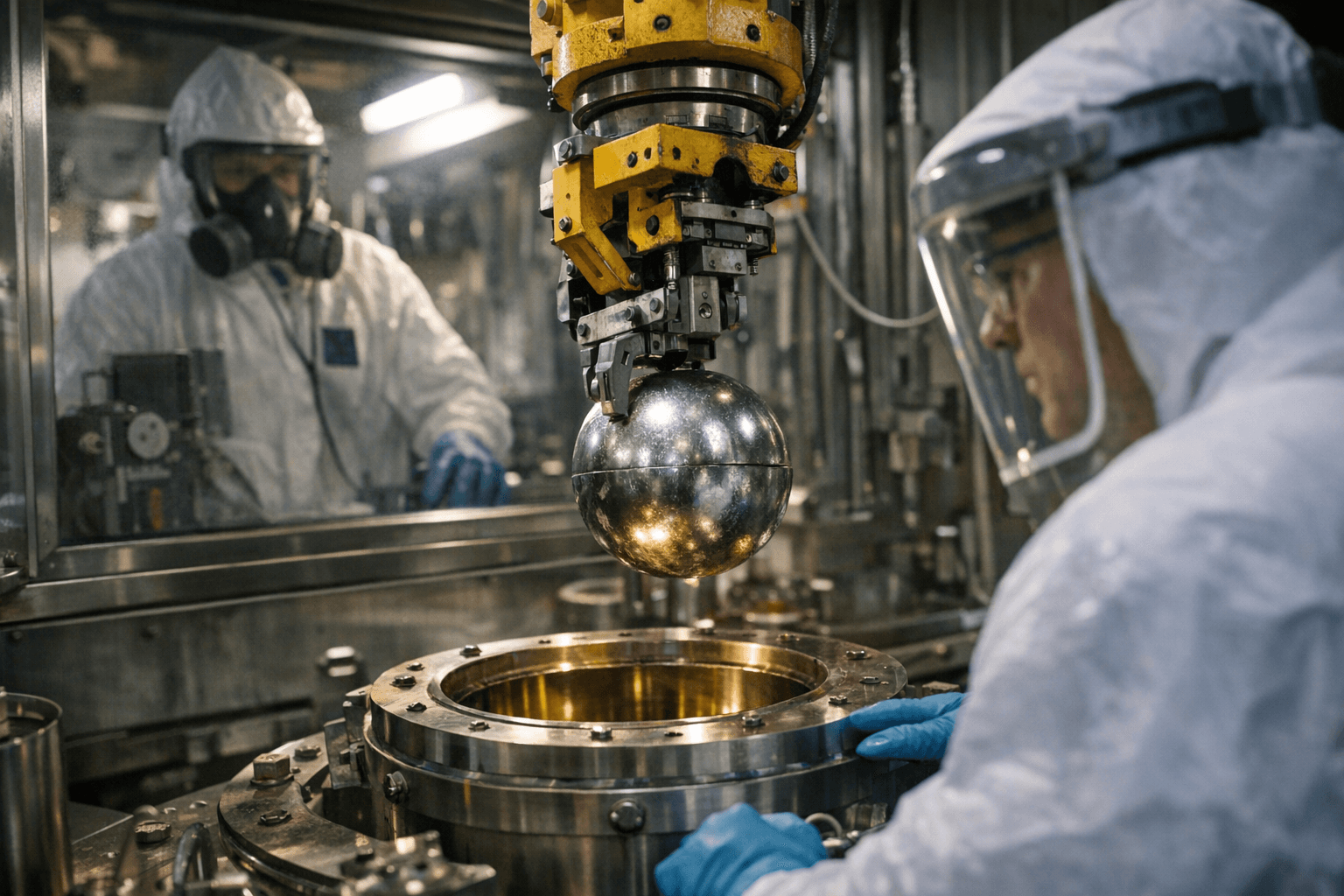
The new review also follows a legal fight that forced the issue back into public view. A 2024 court ruling found that NNSA had not properly considered the combined effects of its two-site pit-production strategy, and a January 2025 settlement required the agency to conduct the PEIS and provide for public participation. A 2023 Government Accountability Office report also said NNSA did not have a comprehensive schedule or cost estimate for pit-production capability, a gap that critics say leaves taxpayers and nearby communities guessing about the true scale of the program.
The stakes in Los Alamos are tied to history as well as policy. The laboratory says it produced the first plutonium pits in 1945 during the Manhattan Project, ran a limited production campaign from 2007 to 2011 for the W88 warhead and reached another milestone on Oct. 1, 2024, when NNSA diamond-stamped the first production unit pit. If the federal plan advances, Los Alamos would not just remain central to the nation’s nuclear weapons mission. It would become even more deeply responsible for carrying it out.
This article was produced by Prism’s automated news system from verified source data, official records, and press releases, then run through automated quality and moderation checks before publishing. The system is built and supervised by the people who set the standards it runs under. Read our full AI policy.
Did this article answer your question?