Los Alamos Animal Shelter Aids Garland, Texas Record Animal Seizure Recovery
Los Alamos animal control officers tipped off Garland, Texas authorities after recognizing cats from a local resident were severely ill, triggering a 64-cat seizure.

When several cats arrived at the Los Alamos County Animal Shelter in poor condition, Animal Control officers recognized the signs of something worse happening nearly 1,400 miles away in Garland, Texas. That tip set off a chain of events that ended with Garland Animal Services executing a search and seizure warrant and removing 64 cats from a single home, the largest animal seizure in Garland's recorded history.
The investigation began after the Los Alamos shelter took in several cats surrendered by a Garland owner. The animals arrived in poor shape, showing signs of neglect, and Los Alamos officers alerted Garland Animal Services that a hoarding situation potentially involving more than 100 cats might be occurring at a residence in that city. Garland's Animal Cruelty Investigation Team, working alongside Garland Police Department and the SPCA of Texas, acted on that information, obtained a warrant, and discovered conditions described by Garland Animal Services as "deplorable." Rescuers wore respirators and protective gear due to feces and dangerously high ammonia levels inside the home. The owner, who initially told investigators she had only 20 animals, surrendered all 64 cats. Nearly all were suffering from upper respiratory infections; several were severely malnourished.
The cats that had already come through Los Alamos did not escape those health consequences. Within days of arriving at the shelter, they displayed signs of upper respiratory infection. One became critically ill and required emergency veterinary care overnight at Mosaic Emergency Vet in Santa Fe, where it survived. Ongoing treatment has involved the Animal Clinic of Los Alamos and Cottonwood Veterinarian, and all of the cats remain under care for severe pneumonia and upper respiratory infection.
The shelter's ability to flag the problem in the first place traces back to a quieter reality in Los Alamos: the shelter had been operating without cats available for adoption. Community investment in spay-and-neuter programs reduced the local population of unowned and surrendered kittens to the point where the shelter was not at capacity, giving staff the bandwidth and space to accept animals from out of state and, in this case, to recognize when those animals indicated a larger crisis.
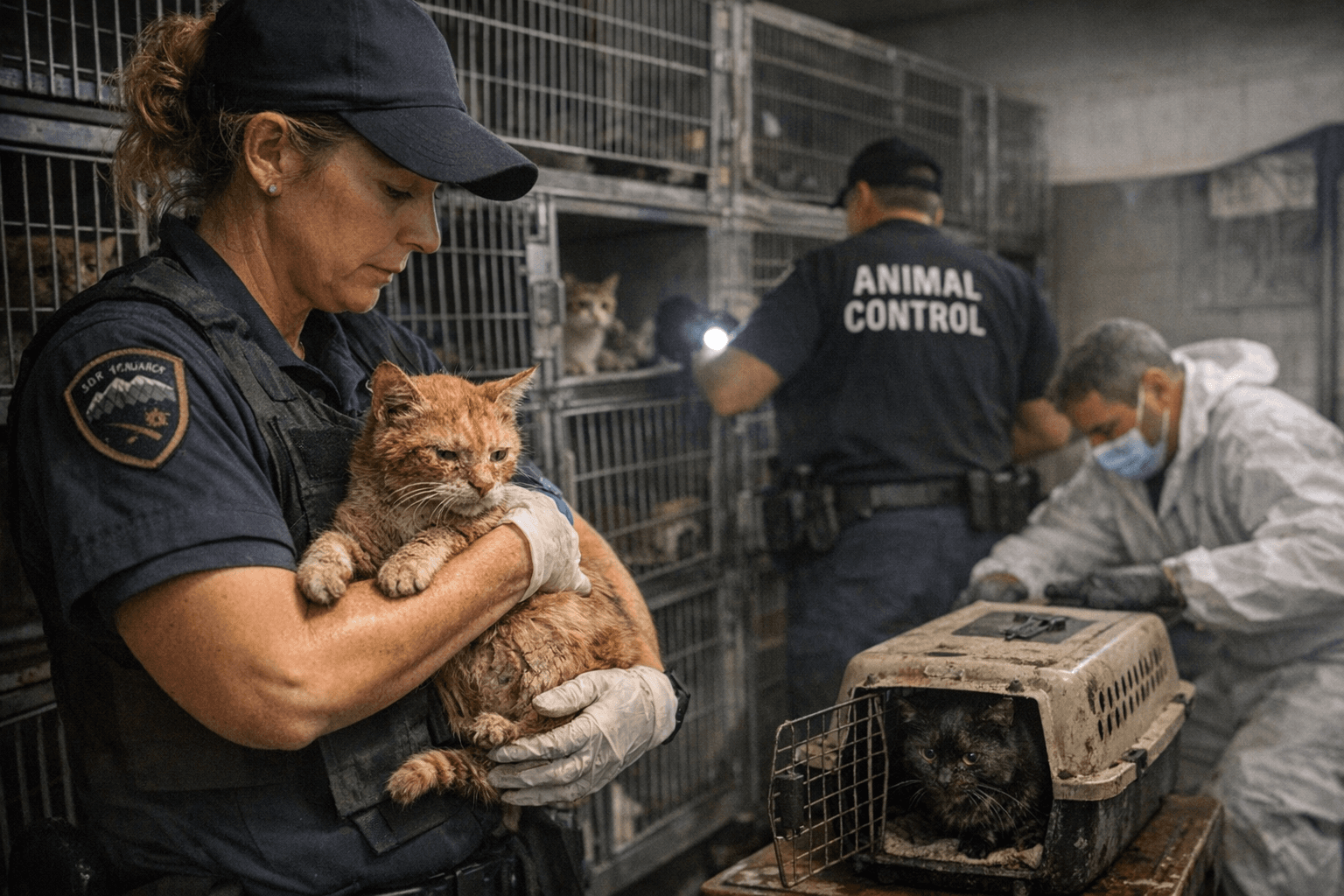
That capacity also freed the shelter to function as an active node in a regional animal welfare network, a role that typically includes absorbing animals displaced by hoarding, cruelty, or neglect investigations that carry criminal justice implications as well as immediate welfare needs. Garland Animal Services Director Art Munoz confirmed no charges had been filed against the owner as of the early days of the investigation, meaning follow-on legal proceedings remain possible.
The episode offers a concrete illustration of what sustained local investment in spay and neuter programs can produce beyond reduced euthanasia rates: a shelter that can reach across state lines to identify abuse, trigger enforcement, and help shoulder the recovery.
This article was produced by Prism’s automated news system from verified source data, official records, and press releases, then run through automated quality and moderation checks before publishing. The system is built and supervised by the people who set the standards it runs under. Read our full AI policy.
Did this article answer your question?