Los Alamos County clarifies limits on license plate readers, data use
Los Alamos County said its plate-reader data stay on local servers, but it left key privacy questions unanswered, including retention and misuse penalties.
Los Alamos County responded to public criticism of its automatic license plate readers by saying the system is not an open surveillance network, but a police tool stored on local servers and limited to Los Alamos Police Department use.
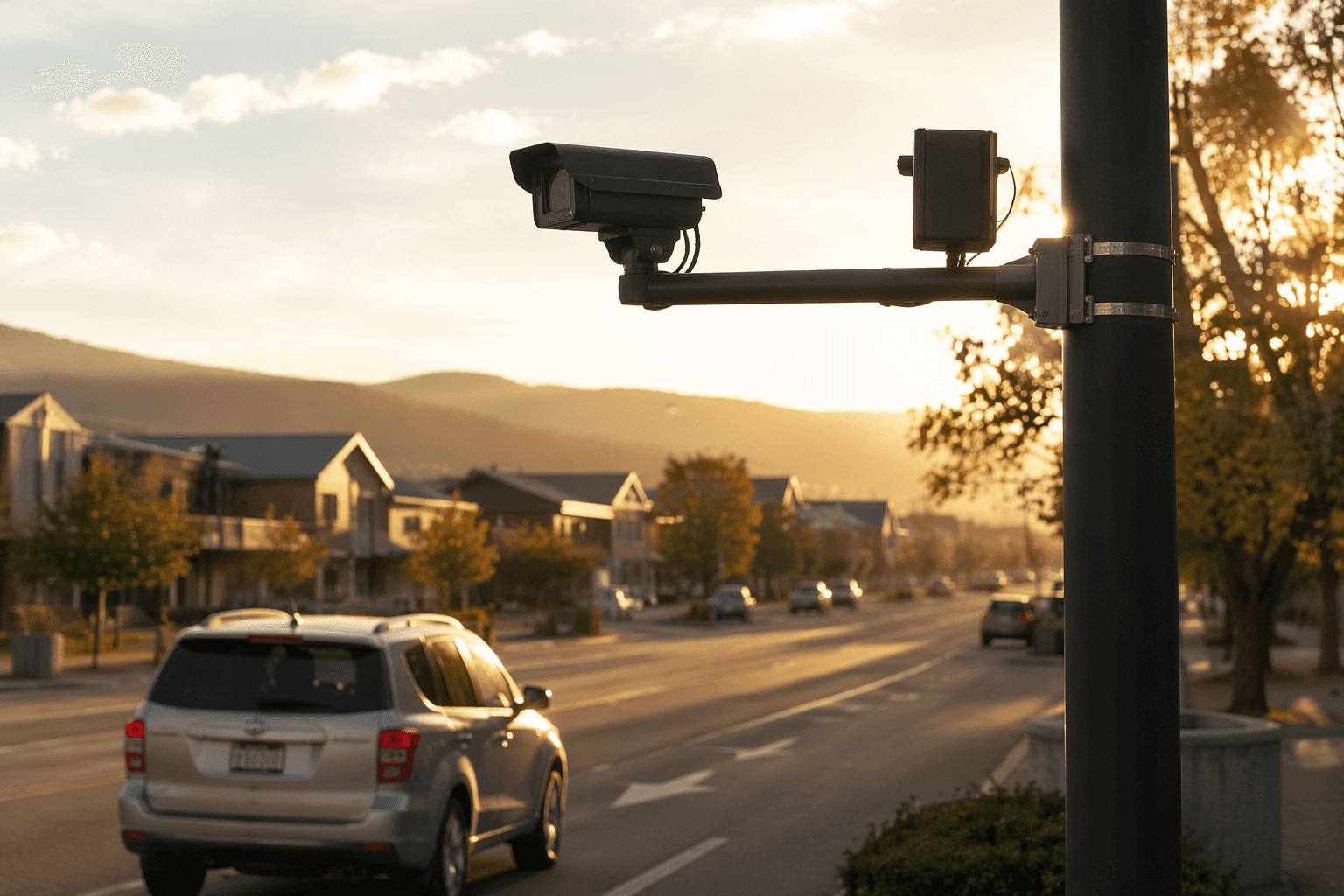
The county said the cameras capture license plates and vehicle views that can show a car’s make and model, but not the people inside. It also said only Evidence Technicians can access the data, and every request is logged and reviewed. County officials said the information is not available for use or scrutiny by outside entities nationwide or globally.
That explanation came after a letter and op-ed argued that the Flock Safety system could be used far beyond local law-enforcement needs. The county’s response stressed control and confinement, but it did not announce any new local privacy safeguards beyond the procedures already in place.
The most pressing unanswered questions remain practical ones residents are likely to ask: how long the county keeps plate-reader data, who can obtain it after an internal request, and what penalties apply if it is misused. The county said the data are excluded from the Inspection of Public Records Act because they are considered confidential, but it did not address retention limits in its clarification.
State law is poised to tighten the rules further. Senate Bill 40, the Driver Privacy and Safety Act, takes effect July 1, 2026, and legislative materials describe it as New Mexico’s first statewide framework governing automated license plate reader data sharing. The measure was introduced by Sen. Peter Wirth and co-sponsored by Sen. Christine Chandler, Sen. Cindy Nava, Rep. Heather Berghmans and Rep. Micaelita Debbie O’Malley.
Under SB40, automated license plate reader information is confidential and not a public record for IPRA purposes. Legislative analyses say the law bars sharing that data if it may be used for immigration enforcement, protected reproductive or gender-affirming health care activity, or punishment of constitutionally protected conduct such as assembly, speech or petition. Agencies that use ALPR systems must also file annual reports with the New Mexico Department of Public Safety.
Civil-liberties advocates, including the American Civil Liberties Union of New Mexico, have framed the law as a privacy safeguard against the weaponization of location data. Los Alamos County’s statement lands in that wider debate by insisting its own system is tightly limited now, even as statewide rules soon draw a harder line around where plate-reader data can go.
This article was produced by Prism’s automated news system from verified source data, official records, and press releases, then run through automated quality and moderation checks before publishing. The system is built and supervised by the people who set the standards it runs under. Read our full AI policy.
Know something we missed? Have a correction or additional information?
Submit a Tip