Los Alamos County maps out three-phase wildlife conflict plan
County leaders are moving from warning signs to a three-phase wildlife strategy that could reshape how Los Alamos stores trash, reports collisions and keeps bears away.
Los Alamos County is moving beyond one-off warnings and into a three-phase wildlife plan designed to turn recurring complaints into a countywide strategy. At the June 9 County Council meeting, contractor Environmental Solutions and Innovations outlined a process that starts with data review and ends with management options the county can actually carry out within its authority and budget.
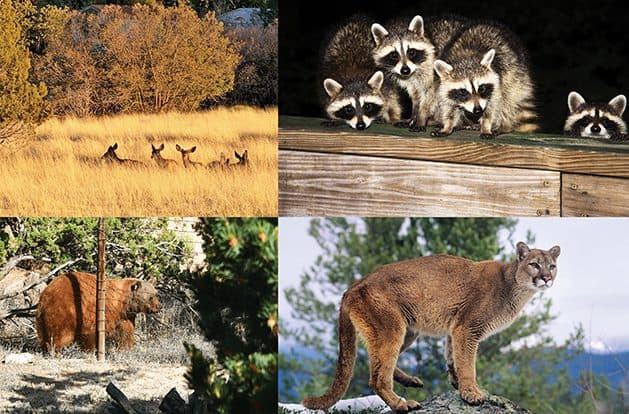
Wildlife biologist Amanada Rhyne said the county has been dealing with bears rummaging through trash, deer tangled in holiday lights, mountain lions taking pets, vehicle collisions, disease concerns, property damage and routine conflicts between people and animals. The county already bans feeding wildlife on public and private property within Los Alamos County incorporated boundaries, a rule officials say protects the health, safety and welfare of people and animals.

The first phase of the plan is a review of what the county already knows, using past surveys, records, research and complaint data to build a clearer picture of where and how conflicts are happening. The second phase is to sort out the most urgent risks and decide what deserves attention first. The third phase is where the planning is supposed to become action, with practical policy and management options tailored to county resources.
That structure matters because it changes wildlife management from a set of warnings into a system that can be measured and defended. County documents say the community regularly faces large predators, wildlife feeding, vehicle-vs.-wildlife accidents and, more recently, increased ticks. The county also says feeding wild animals can damage public parks and private property, raise disease risk for people and companion animals, attract animals into more populated areas where collisions are more likely, and make wild animals more aggressive and less fearful of humans and predators.
The county lists mule deer, elk, mountain lions, black bears, bobcats, coyotes, raccoons and skunks among the animals found here. Earlier county materials from late 2023 show wildlife ordinances were already under public review, and the council later adopted Ordinance 02-373 on Sept. 30, 2025, with the feeding ban taking effect 30 days after publication.
The broader backdrop is that Los Alamos is trying to keep its close-to-the-forest identity while limiting the costs of living beside wildlife habitat. The county’s education efforts have included a 2024 wildlife update and deer whistles distributed through the County Customer Care Center, while Pajarito Environmental Education Center says Los Alamos is a National Wildlife Federation-certified Community Wildlife Habitat. The new plan suggests the next step is not more general reminders, but clearer county rules and a more accountable way to track whether conflicts actually decline.
This article was produced by Prism’s automated news system from verified source data, official records, and press releases, then run through automated quality and moderation checks before publishing. The system is built and supervised by the people who set the standards it runs under. Read our full AI policy.
Did this article answer your question?