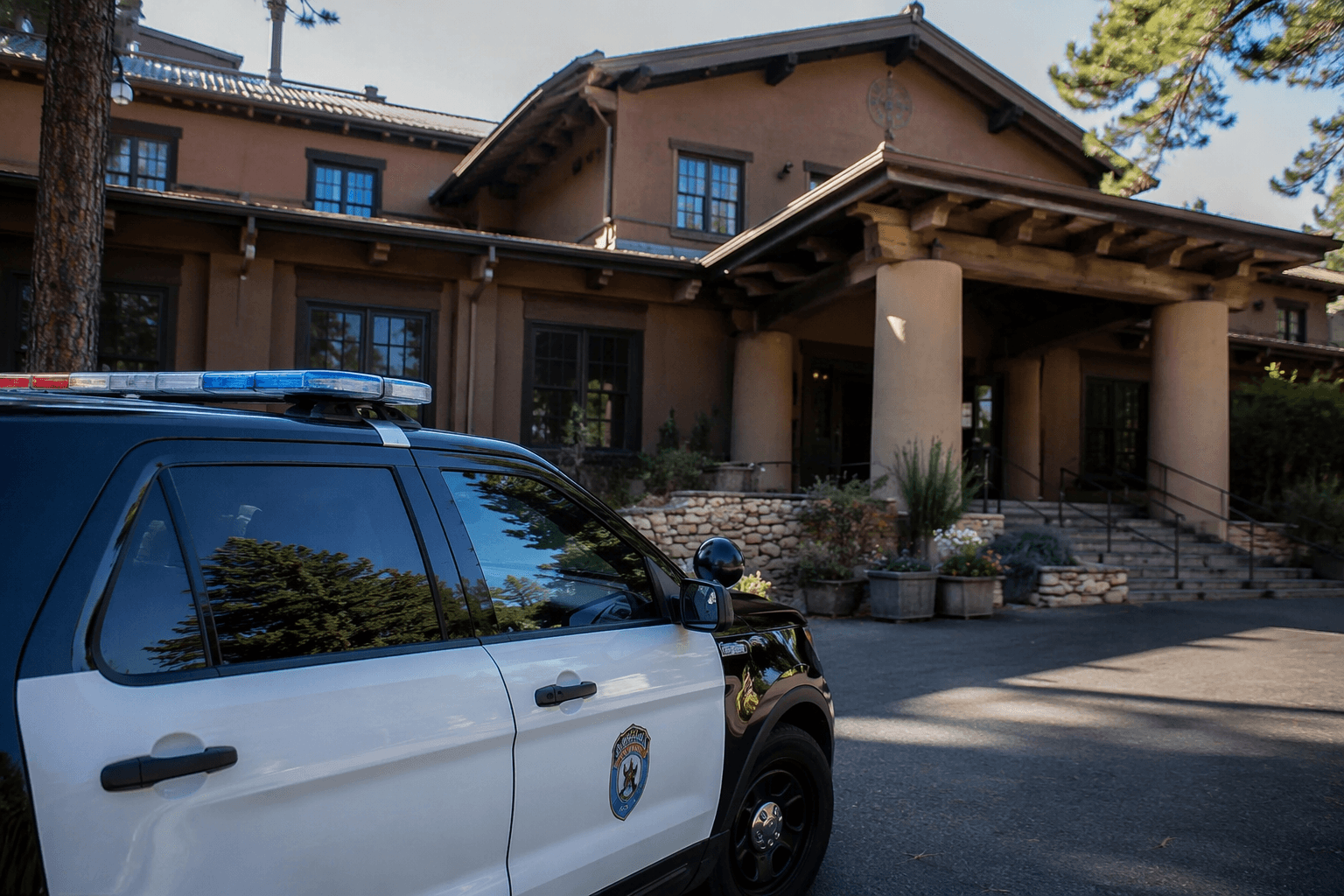
Los Alamos County seeks public input on historic preservation plan
Los Alamos County is asking residents to weigh in on a preservation plan that could shape Fuller Lodge, Bathtub Row and other visible pieces of daily life.
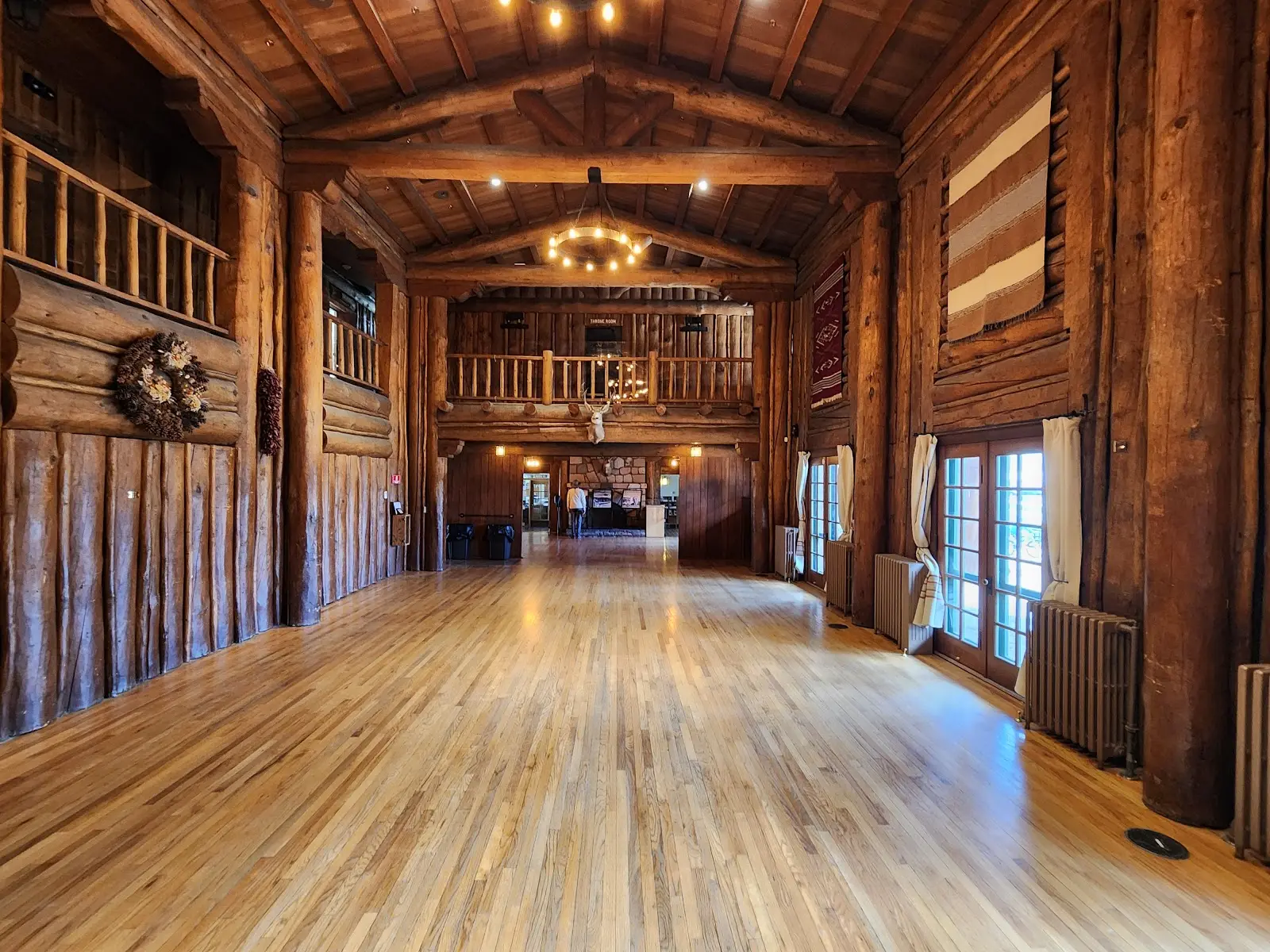
Los Alamos County is seeking public feedback on a new Historic Preservation Master Plan that would guide how the county protects, preserves and celebrates its historic buildings, trails and cultural landscapes. The plan reaches beyond museum walls and into places residents still use every day, from Fuller Lodge and Bathtub Row to the United Church Military Chapel and Los Alamos Ranch School-related sites.
The county’s Historic Preservation Advisory Board sits at the center of that work. It makes recommendations to the Planning and Zoning Commission, the Board of Adjustment and the County Council on the protection, preservation and enhancement of places, sites, areas, buildings, structures and other objects with historic, architectural or cultural value. County materials also say the board can initiate and conduct research and surveys on historic resources, which gives it a direct role in deciding what gets documented and what can be altered.
Fuller Lodge remains one of the clearest examples of why the county’s preservation map matters now. Completed in 1928 and designed by architect John Gaw Meem, the upright-log building is described by the Los Alamos Historical Society as the heart and soul of the community. The county walking tour map says it has served as a community gathering place for nearly 100 years, and the National Park Service includes it as a stop in Manhattan Project National Historical Park.
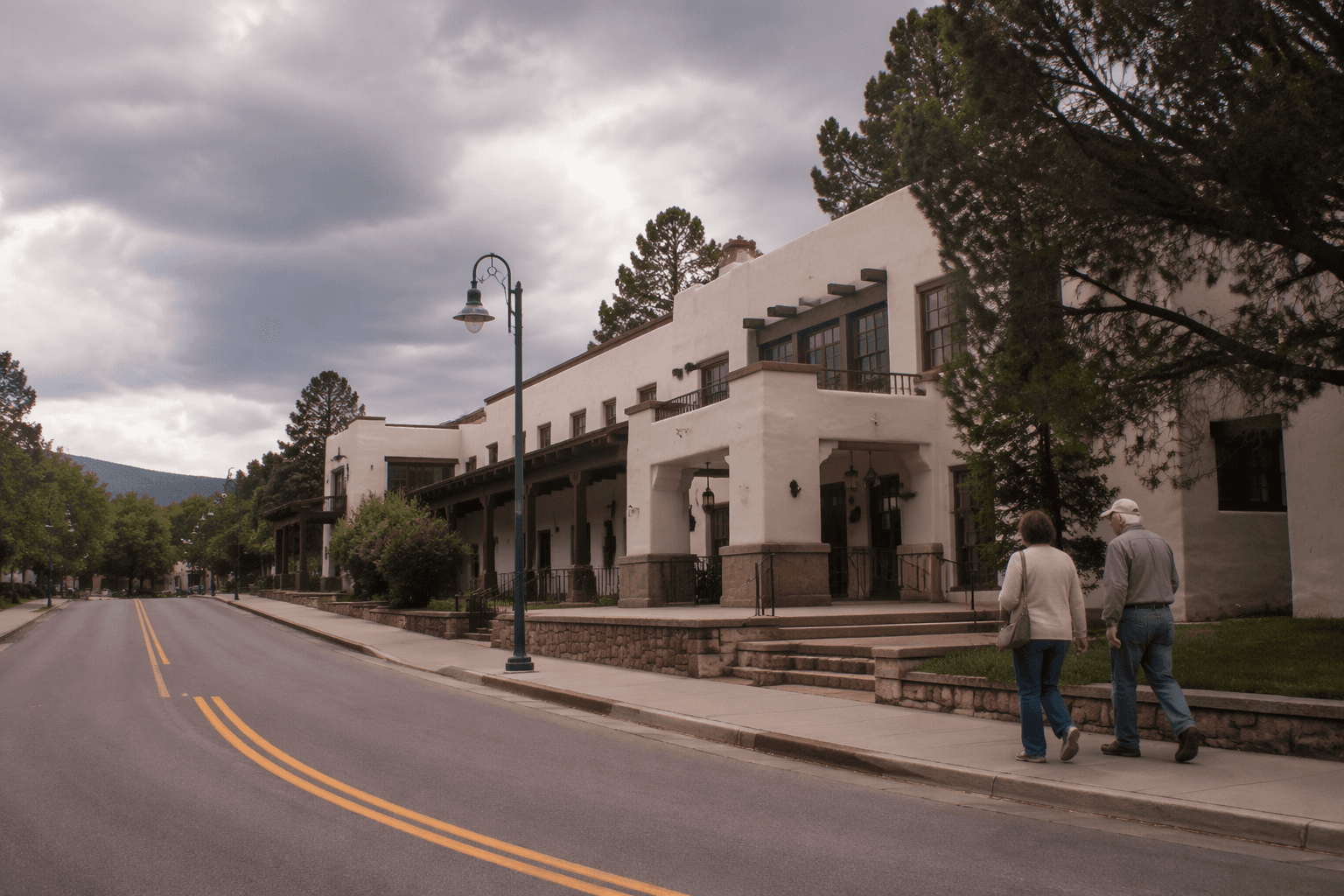
Bathtub Row carries that same layered history in a single road. During the Los Alamos Ranch School years, it passed masters’ quarters and classrooms. During the Manhattan Project, it led to houses assigned to key staff members at Project Y. Today it leads visitors and residents to homes, the Los Alamos History Museum, the Historical Society offices and Fuller Lodge itself. The museum at 1050 Bathtub Row offers guided walking tours Monday through Saturday and charges $5 admission, keeping the district active as a public destination rather than a preserved backdrop.
The United Church Military Chapel adds another layer to the story. The United Church of Los Alamos says the chapel grew out of a wartime need because the secret laboratory and housing had no chapel, and a shared worship building for Jewish, Catholic and Protestant worshippers opened on May 4, 1947. The county walking tour map also ties the present to much older history, pointing visitors to an 800-year-old Ancestral Pueblo site and the location where the first atomic bomb components were assembled.
Los Alamos County’s 2008 comprehensive plan said the county should pursue funding for preservation of county-owned historic buildings, including Fuller Lodge, and archaeological sites. The new master plan extends that effort into the places people still cross, tour and gather in now, where preservation shapes not just memory but how the county functions.
This article was produced by Prism’s automated news system from verified source data, official records, and press releases, then run through automated quality and moderation checks before publishing. The system is built and supervised by the people who set the standards it runs under. Read our full AI policy.
Did this article answer your question?