Los Alamos County warns: leave newborn elk calves alone
A lone elk calf in Los Alamos can mean a nearby mother, and county officials say backing away is the safest move for people, pets and the animal.
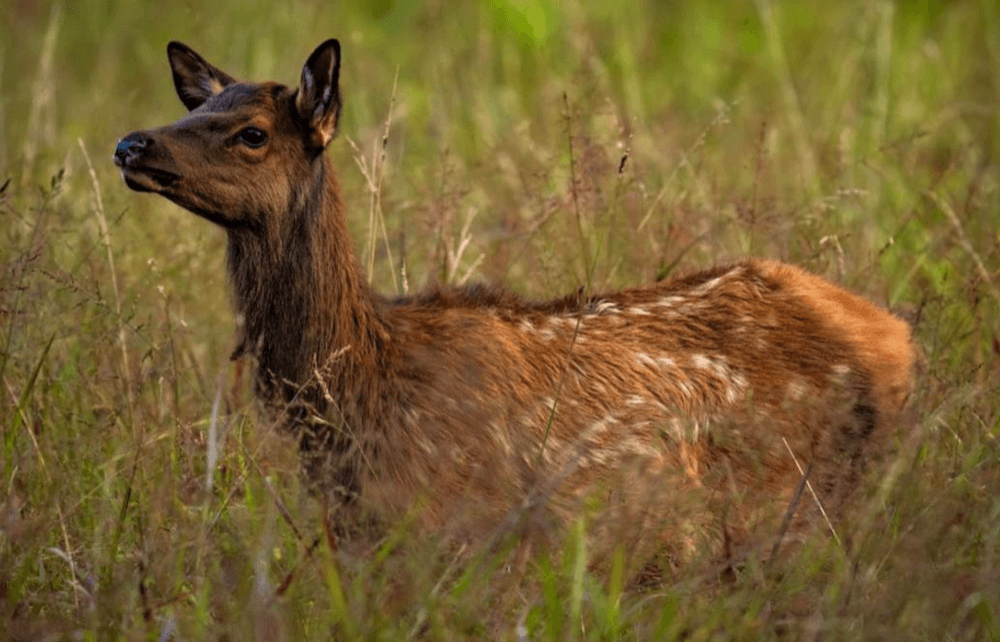
A newborn elk calf that looks alone can turn dangerous fast for families, walkers and pet owners in Los Alamos County. The mother is usually nearby, and if people step too close, the cow can become fiercely protective while the calf’s chance of survival can drop.
That warning matters here because Los Alamos County is full of places where daily life overlaps with wildlife habitat. The county’s wildlife page says deer, elk, mountain lions, black bears, bobcats, coyotes, raccoons, eagles, skunks, rattlesnakes and more live in and around the county, and that residents often live or play in the same habitats these animals use. With spring and early summer bringing more time on trails, in open space and near neighborhoods, calf season is exactly when people need to slow down and keep their distance.

County advice is straightforward: observe from far away, never remove a calf from the wild, and leave the area quickly and quietly. If a baby animal appears sick or injured, the county directs people to call the New Mexico Department of Game and Fish at 888-248-6866 or 505-476-8000. State wildlife officials say people should not approach, touch, try to move or otherwise disturb deer and antelope fawns, elk calves, bear cubs or other young animals, because most are simply hiding while their parents forage nearby.

The risk is not abstract. The U.S. Forest Service closed Forest Road 69 in the Cuba Ranger District of the Santa Fe National Forest from May 15 to July 1, 2025, to protect elk cows during calving season. Forest officials said motorized traffic and human interaction can cause cows to abort or abandon calves, and that mother and calf remain in the area for about ten days after birth until the calf is strong enough to follow its mother to higher elevation.
National Park Service information says elk calves are typically born from late May into June, weigh about 30 pounds at birth, and usually join the herd after about two weeks. In Los Alamos County, that seasonal reality means the safest response is often the least dramatic one: stop, look from a distance and keep moving.
This article was produced by Prism’s automated news system from verified source data, official records, and press releases, then run through automated quality and moderation checks before publishing. The system is built and supervised by the people who set the standards it runs under. Read our full AI policy.
Did this article answer your question?