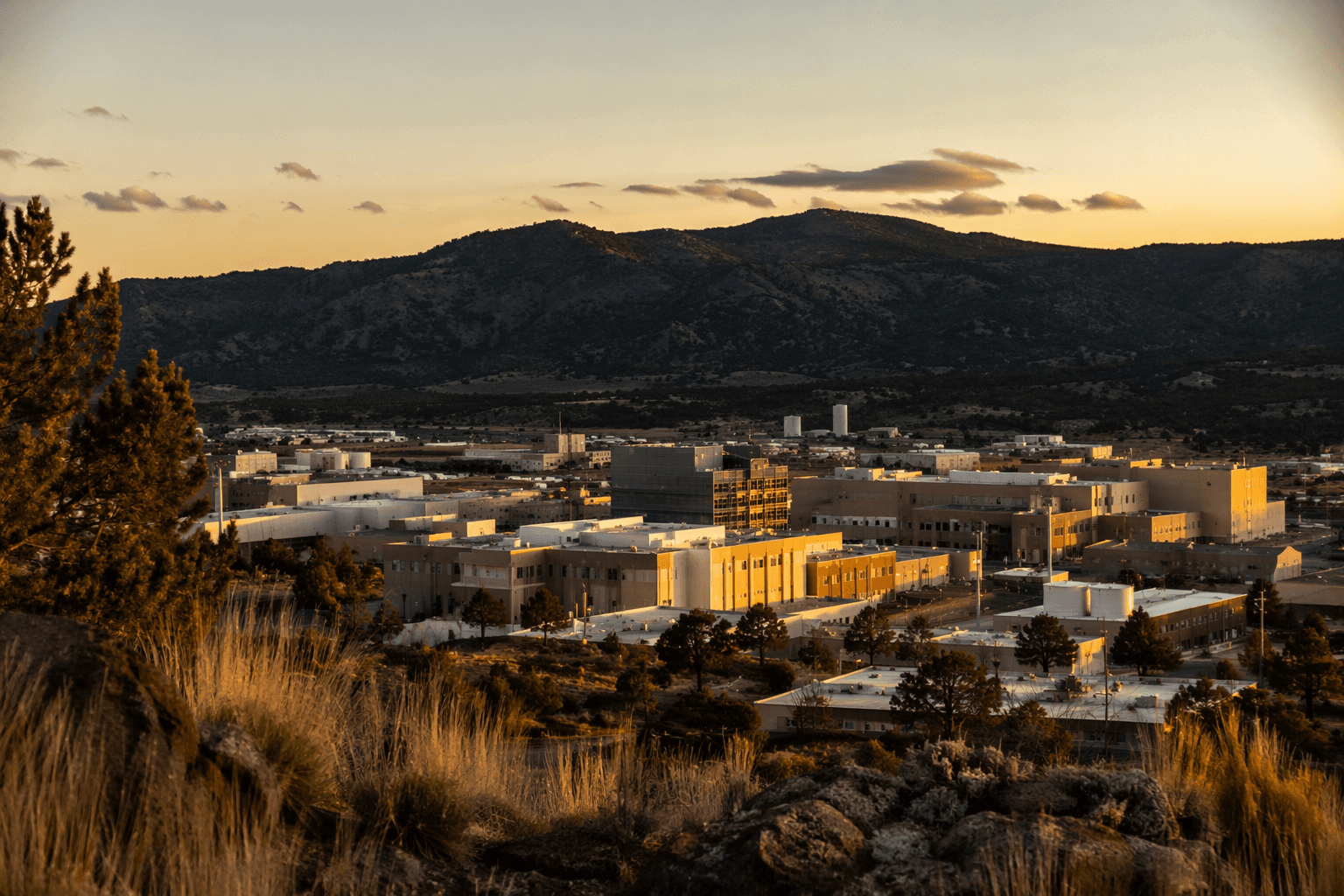
Los Alamos lab hackathon advances AI work through collaboration
Nearly 30 LANL staff spent a day wiring URSA into ArtIMis, a push that could shape future mission work and local jobs.
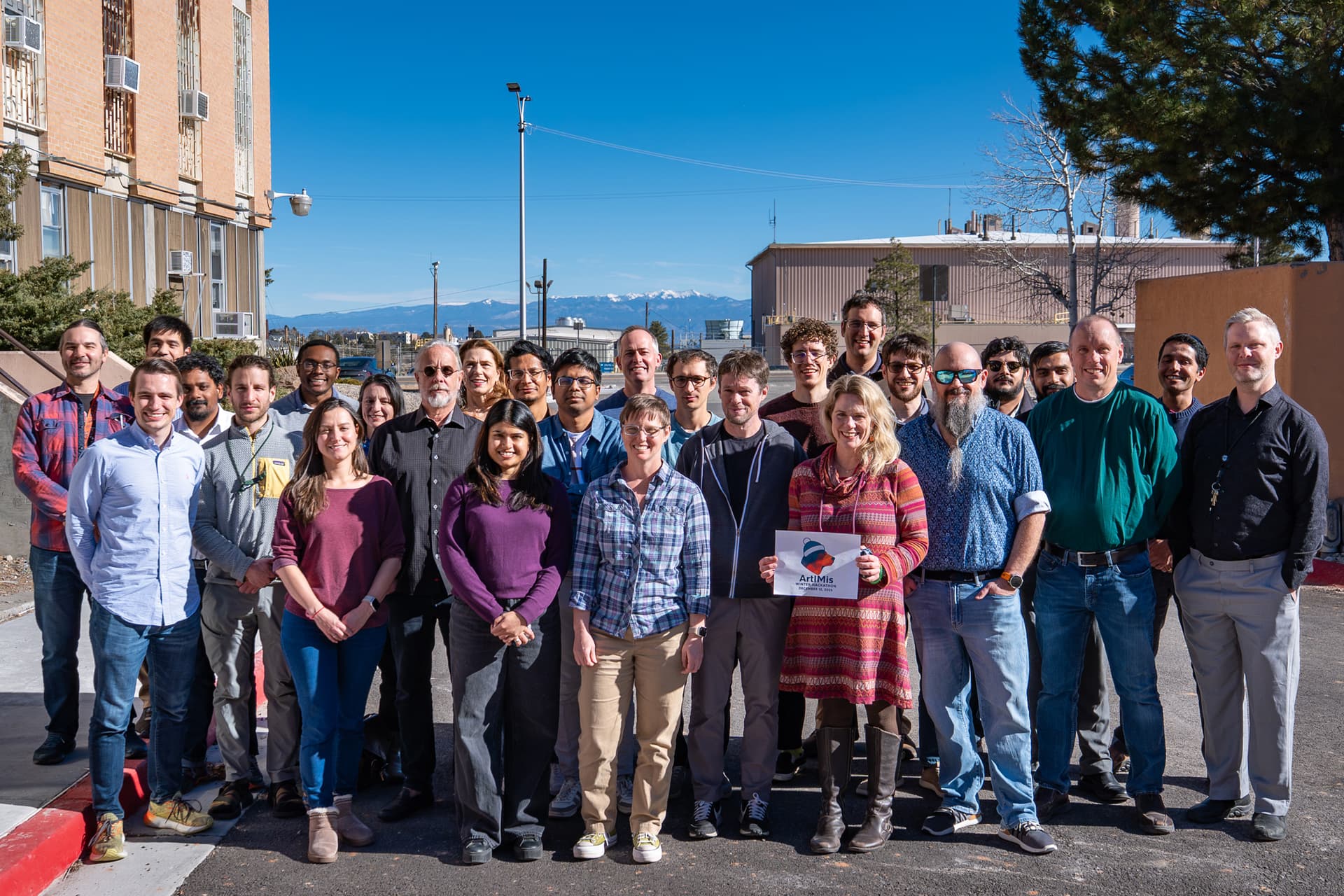
Nearly 30 Los Alamos National Laboratory staff spent a full day inside the AI Technology Laboratory trying to stitch one of the lab’s newest artificial intelligence tools into the rest of its mission software, a sign that LANL is pushing AI toward day-to-day operations, not just demos.
The ArtIMis Winter Hackathon brought together members of the project team on April 29 in a lab space built to accelerate discovery and support national security missions. Earl Lawrence, the National Nuclear Security Administration’s models pillar lead for the DOE-wide Genesis Mission and a senior scientist in LANL’s Computing and Artificial Intelligence Division Office, directed the session. Nathan DeBardeleben, a senior research scientist and co-principal investigator for ArtIMis, was among the lab officials tied to the effort.
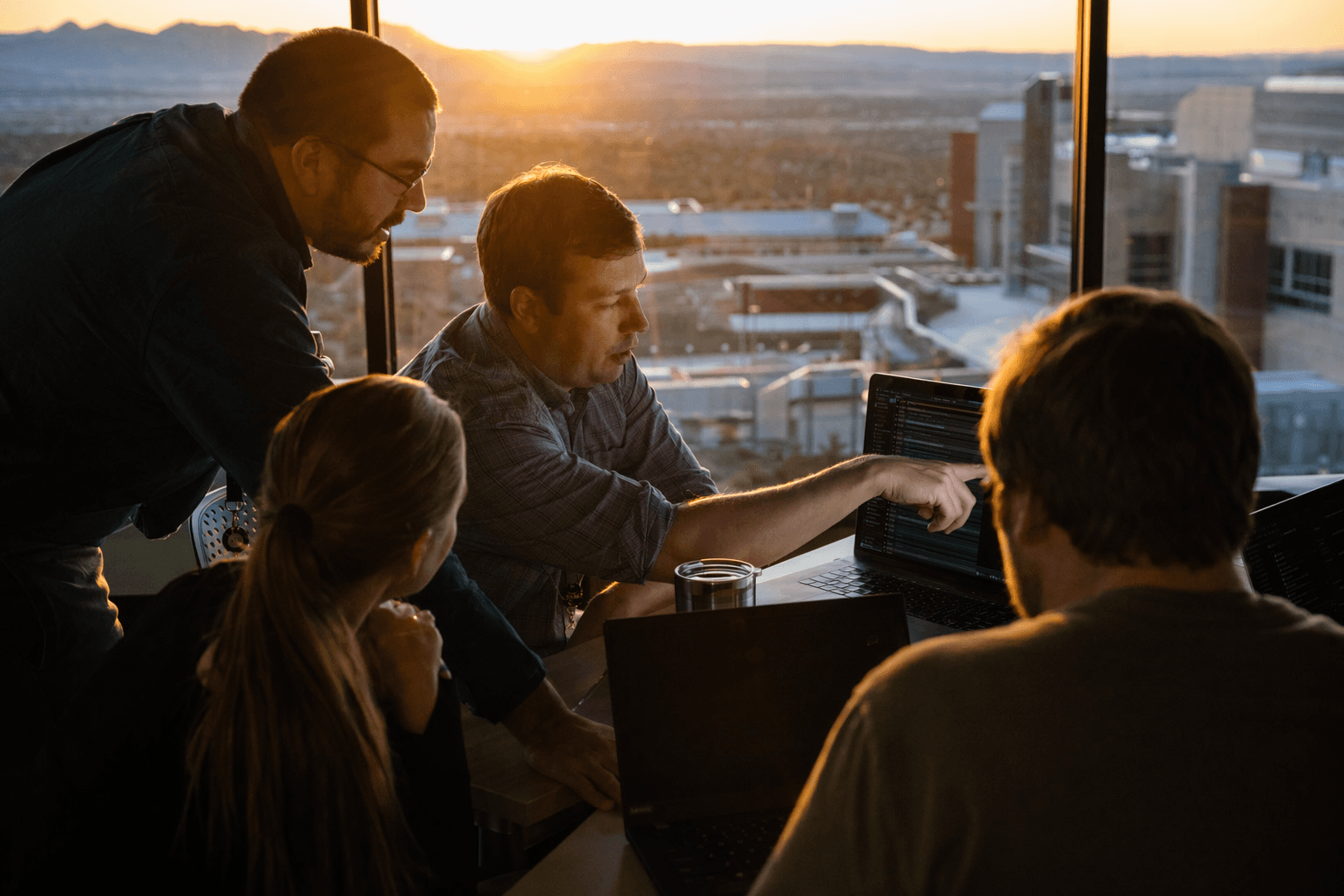
LANL said the goal was to link URSA, the Universal Research and Scientific Agent, to other ArtIMis products and integrate the system’s different parts in one place. URSA is designed to summarize literature, write code, run scientific simulations, make plots, hypothesize new simulations and write papers. ArtIMis itself is a modular, Python-based workflow environment built on LangGraph and LangChain, using specialized agents, external tools, scientific data sources, frontier language models and laboratory-developed scientific foundation models.
The hackathon matters beyond the lab because AI has become one of LANL’s core growth areas, and Los Alamos County’s economy is tightly tied to the lab’s ability to recruit talent, keep technical projects moving and stay central to federal science and security priorities. LANL has said it is in a “pivotal race” to gain advantage in AI, and it points to Venado, its newest supercomputer, as part of that effort. The artificial intelligence technology lab also gives staff a place to train on AI tools in mission environments, which could help move successful prototypes into operational use.
The AI push is part of a broader pattern at the lab. In February, LANL announced a Center for Quantum Computing in downtown Los Alamos that is expected to bring together as many as three dozen quantum researchers. That mirrors the logic behind the hackathon: concentrate technical talent in shared spaces, then turn small-team experiments into tools that can scale. For Los Alamos, the payoff could show up in future work orders, specialized contracts and the kind of high-skill jobs that tend to follow when a federal lab turns research into operations.
This article was produced by Prism’s automated news system from verified source data, official records, and press releases, then run through automated quality and moderation checks before publishing. The system is built and supervised by the people who set the standards it runs under. Read our full AI policy.
Did this article answer your question?