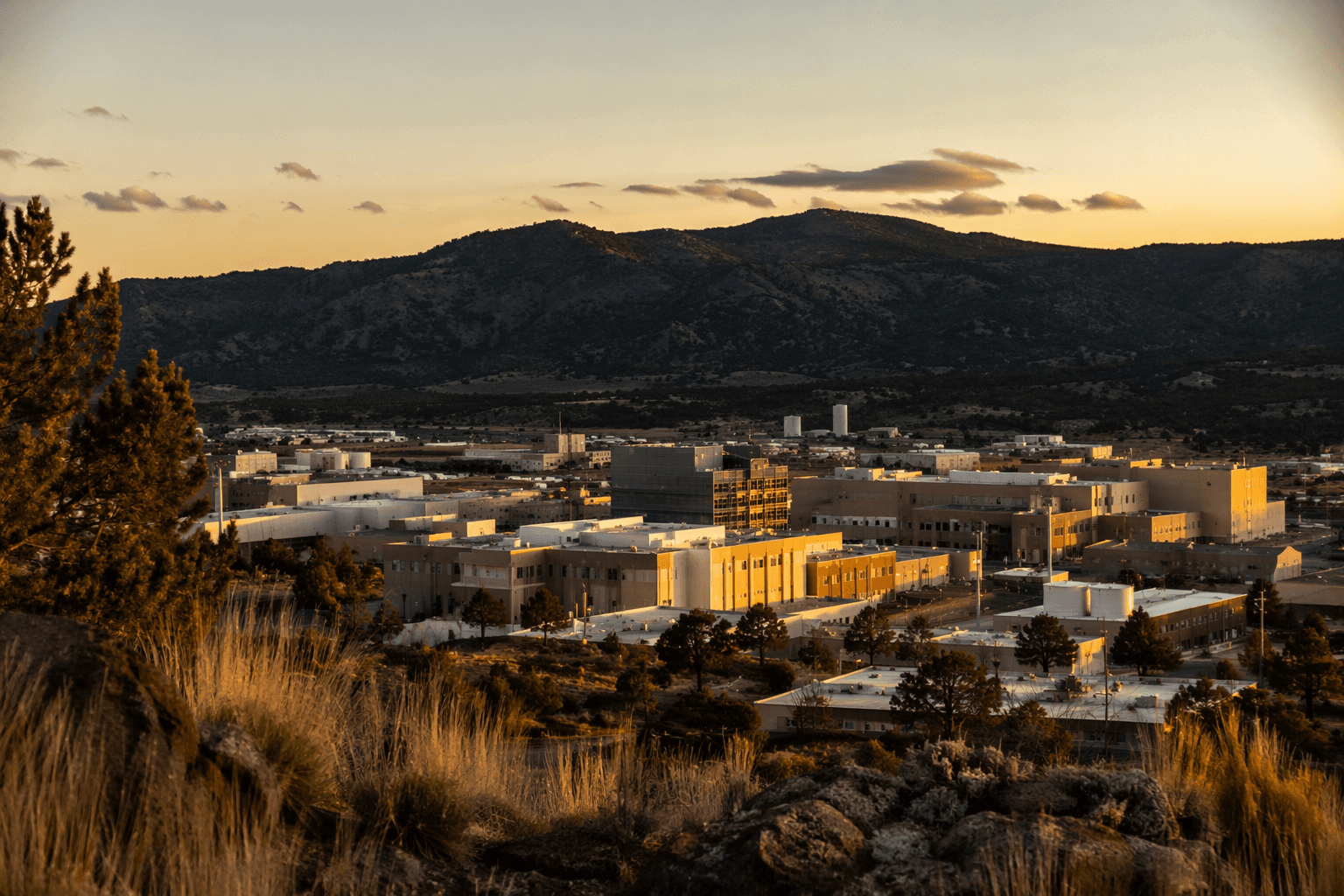
Los Alamos lab payload launches to International Space Station
A Los Alamos-built sensor reached the International Space Station on May 15, capping a 22-month sprint that could improve space-weather forecasting.

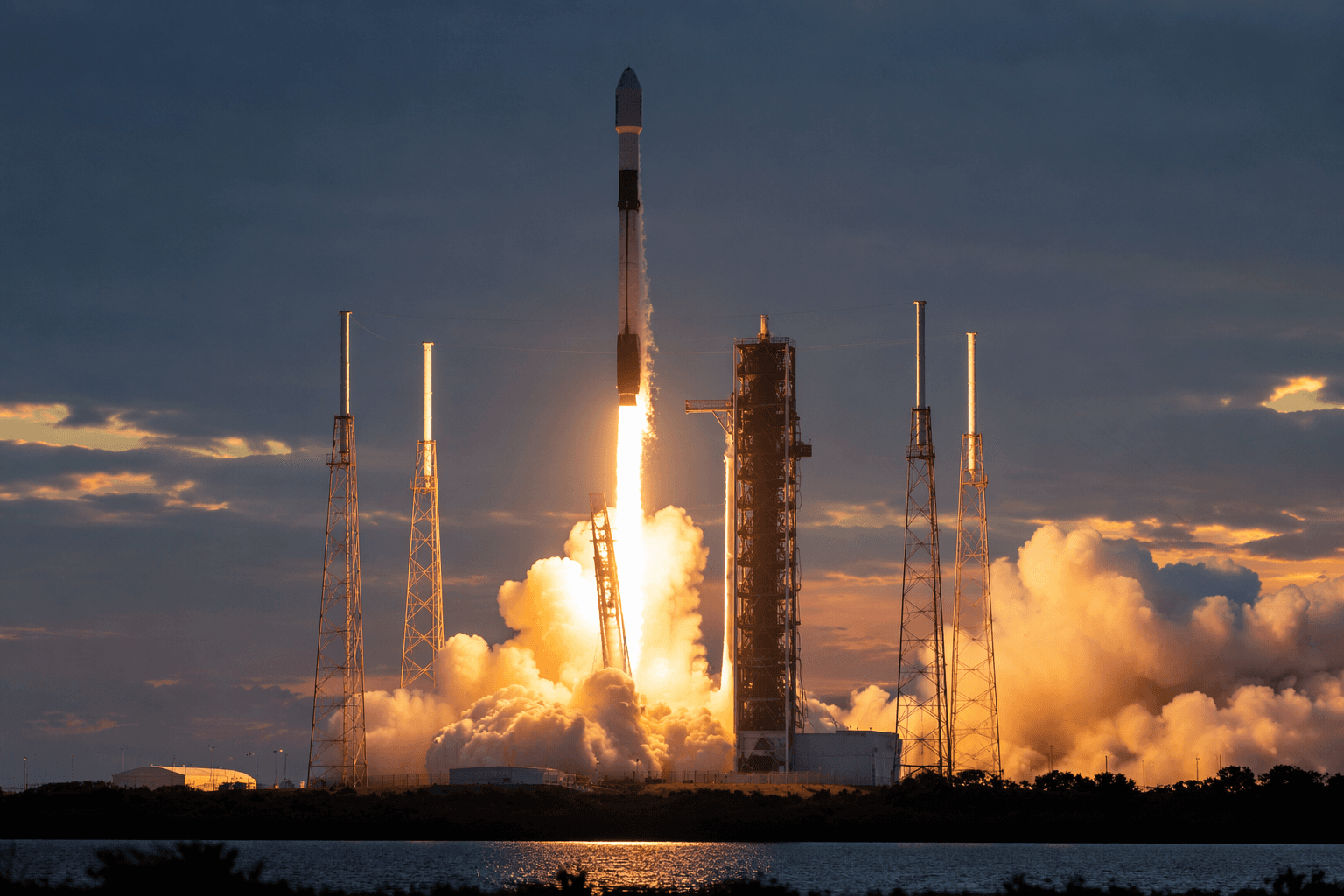
A Los Alamos-built mass spectrometer reached the International Space Station on May 15, giving the county another concrete example of local engineering heading into orbit. The Autonomous Ion Mass Spectrometer Sentry, or AIMSS, launched as part of the Department of Defense Space Test Program Houston-11 mission aboard SpaceX-34 CRS.
The payload is more than a symbolic launch. Los Alamos National Laboratory described AIMSS as a high-resolution ion mass spectrometer built to measure the space plasma environment in low-Earth orbit, while NASA said it will study how space plasma interacts with thruster plumes from spacecraft delivering supplies and crew to the station. NASA also said the data should help improve space-weather prediction, a practical goal for satellite operators and researchers who need better warnings about conditions that can disrupt communications, navigation and spacecraft performance.
For Los Alamos County, the mission matters because it shows how federal science dollars can move through the laboratory and back into the local economy as specialized jobs, technical contracts and long-term research priorities. LANL said the AIMSS team delivered the payload in 22 months, one of the lab’s fastest payload development efforts since the Vela satellite era, and far faster than the five- to seven-year timeline typical for a NASA payload. That pace reflects not just hardware on a launch pad, but a local workforce that can design, test and deliver mission-ready instrumentation on a federal schedule.
Space Systems Command said STP-H11 was one of two missions launched to the station on May 15 and that the roughly 1,000-pound payload would be installed outside the European Space Agency’s Columbus module. Once in place, it is expected to operate for at least one year. That gives the lab a sustained orbital testbed, not a one-day demonstration, and ties Los Alamos more tightly to the Department of Defense’s space-test pipeline.

LANL also said the team completed simulated command testing in April using NASA’s Telescience Resource Kit pipeline, proving it could issue real-time commands after launch. Carlos Maldonado led the project, with Tracy Gambill handling payload operations and Sam Larsen serving as software lead. NASA had already projected in January 2025 that AIMSS would fly in early 2026, and the May launch turned that plan into a working experiment above Earth.
This article was produced by Prism’s automated news system from verified source data, official records, and press releases, then run through automated quality and moderation checks before publishing. The system is built and supervised by the people who set the standards it runs under. Read our full AI policy.
Did this article answer your question?