Los Alamos Lab's Fusion Science and Diagnostic Tech Star in Hollywood Films
LANL's fusion diagnostic equipment has quietly starred in Hollywood films, according to a new Lab feature connecting real nuclear science to the silver screen.
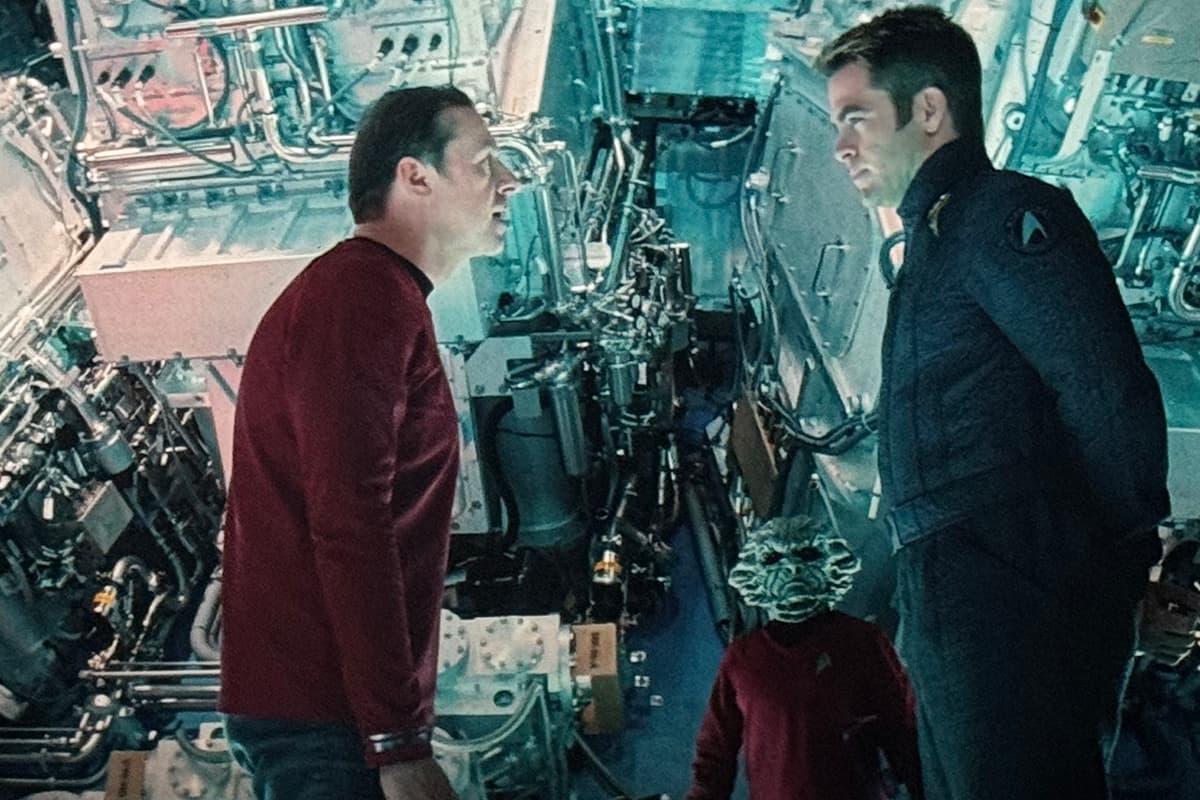
Los Alamos National Laboratory has spent decades designing equipment capable of measuring the most extreme physical events on Earth, but some of that technology has found an unlikely second life on Hollywood film sets. A feature published by the Lab on March 13, 2026, titled "From fusion science to science fiction," traces the surprisingly deep connections between LANL's scientific work and the motion picture industry, revealing how diagnostic equipment built for cutting-edge fusion research has appeared on screen.
When the Lab Meets the Lens
The story of LANL's Hollywood presence is rooted in the Lab's core scientific mission. Fusion research demands instrumentation of extraordinary precision: devices that can capture data from plasma events lasting fractions of a second, withstand intense radiation environments, and produce measurements reliable enough to inform national security decisions. That combination of visual complexity and technical credibility appears to have made LANL-designed diagnostic equipment attractive to filmmakers looking to dress sets with hardware that looks unmistakably real, because it is.
The Lab's feature draws a direct line between fusion science and science fiction, two domains that share an obsession with energy, scale, and the boundaries of what is physically possible. For Los Alamos, the connection is not merely aesthetic. The Lab has a long institutional history that intersects with American cultural production, stretching back to the Manhattan Project era when the existence of the facility was itself classified and the science being conducted inside it was shaping the trajectory of the 20th century.
Diagnostic Equipment Built for Science, Borrowed by Cinema
LANL's diagnostic tools are designed to do something genuinely difficult: observe and measure fusion reactions in real time. These instruments must resolve events at timescales and energy levels that push the limits of detector technology. The hardware tends to be large, precisely machined, and visually striking in ways that generic laboratory props rarely are. A camera system engineered to image a collapsing fusion capsule, or a detector array calibrated to capture neutron flux from an igniting plasma, carries a physical presence that set designers cannot easily replicate.
The Lab's feature highlights how this equipment has moved from scientific facilities into film productions, lending authentic visual weight to scenes that require the audience to believe they are looking at advanced technology. The specific films and productions referenced in the Lab's account underscore how persistent this relationship has been, spanning different eras of Hollywood filmmaking and different genres of science-adjacent storytelling.
A Laboratory With a History Larger Than Its Boundaries
Los Alamos has occupied a singular place in the American imagination since the 1940s. The town itself was built in secrecy on a mesa in northern New Mexico, and the work conducted at the Lab fundamentally altered the global order. That historical gravity has made Los Alamos a recurring reference point in film and television, whether as a literal setting, a narrative backdrop, or a symbolic shorthand for the awesome and occasionally terrifying potential of applied physics.
The Lab's feature situates the diagnostic equipment connection within this broader cultural context. LANL is not simply a source of borrowed props; it represents a particular American story about science, secrecy, and consequence that filmmakers have returned to repeatedly. The fusion research programs operating at the Lab today carry forward a scientific lineage that audiences, even without technical training, tend to recognize as significant.
What This Means for the Lab's Public Profile
Features like "From fusion science to science fiction" serve a purpose beyond institutional nostalgia. Los Alamos National Laboratory operates in a public environment where communicating the relevance and reach of its scientific programs matters. Fusion energy has moved from theoretical promise to demonstrated reality in recent years, with ignition achieved at the National Ignition Facility and sustained plasma research advancing at facilities connected to LANL's broader programmatic work. Anchoring that science to something as accessible as a recognizable film creates a point of entry for audiences who might otherwise find plasma physics difficult to engage with.
For people in Los Alamos County, the Lab's cultural footprint is part of daily life in a way that is easy to take for granted. The institutions, the history, and the science are woven into the community's identity. But the revelation that the diagnostic equipment produced here has appeared in Hollywood productions adds a dimension to that story that is genuinely surprising: the tools built on this mesa to advance fusion science have, at moments, been the most visually compelling objects in a film frame.
The Lab's March 2026 feature is a reminder that the boundary between rigorous scientific infrastructure and popular culture has never been as fixed as it might appear. When filmmakers want their audiences to believe in a technology, they sometimes reach for the real thing, and the real thing, in this case, was built in Los Alamos.
This article was produced by Prism’s automated news system from verified source data, official records, and press releases, then run through automated quality and moderation checks before publishing. The system is built and supervised by the people who set the standards it runs under. Read our full AI policy.
Did this article answer your question?