Los Alamos Marks 11 Years as Certified Wildlife Habitat
The Pajarito Environmental Education Center announced Jan. 5, 2026 that Los Alamos has held National Wildlife Federation Certified Community Wildlife Habitat status for 11 years. The designation reflects more than a decade of coordinated stewardship by residents, schools, volunteers and partner groups and carries practical implications for local landscaping, education and civic engagement on the Pajarito Plateau.
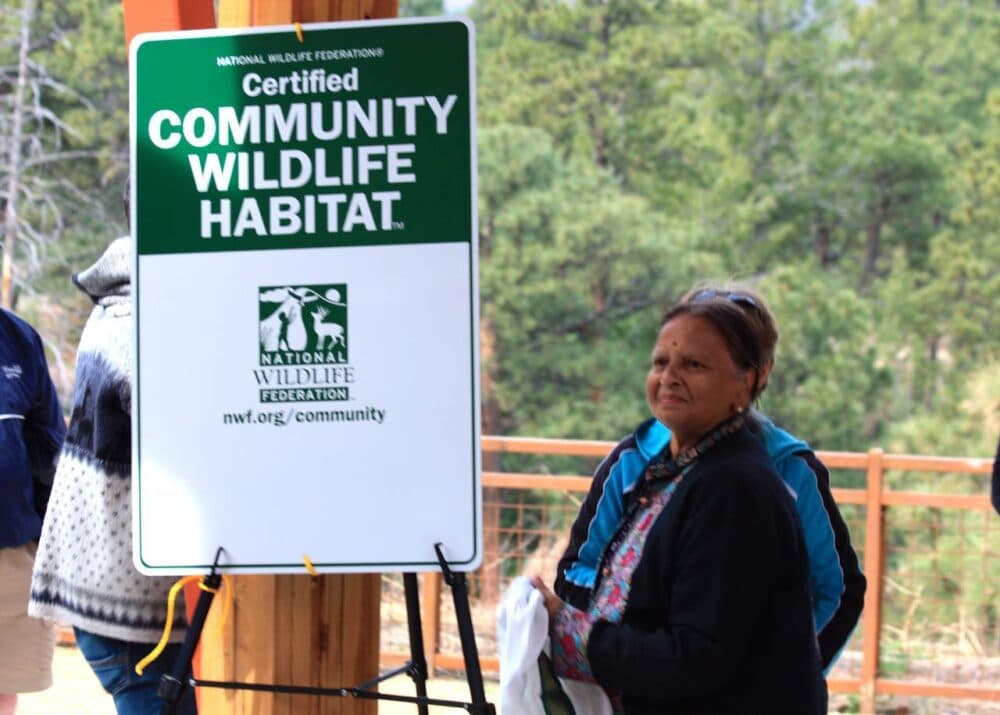
The Pajarito Environmental Education Center announced that Los Alamos has been a Certified Community Wildlife Habitat with the National Wildlife Federation for 11 years, underscoring a sustained local effort to support native species and strengthen habitat connectivity across the Pajarito Plateau. The certification recognizes community actions that provide essential resources for wildlife and promote sustainable gardening practices.
Certification by the National Wildlife Federation requires participating communities to demonstrate that they provide food sources, accessible water, protective cover, places for young wildlife, and sustainable gardening practices across private and public spaces. In Los Alamos, that work has involved coordinated projects by homeowners, schoolyards, volunteer groups and nonprofit partners to install native plant gardens, adopt water-wise landscaping, and build educational programming that connects residents to local ecosystems.
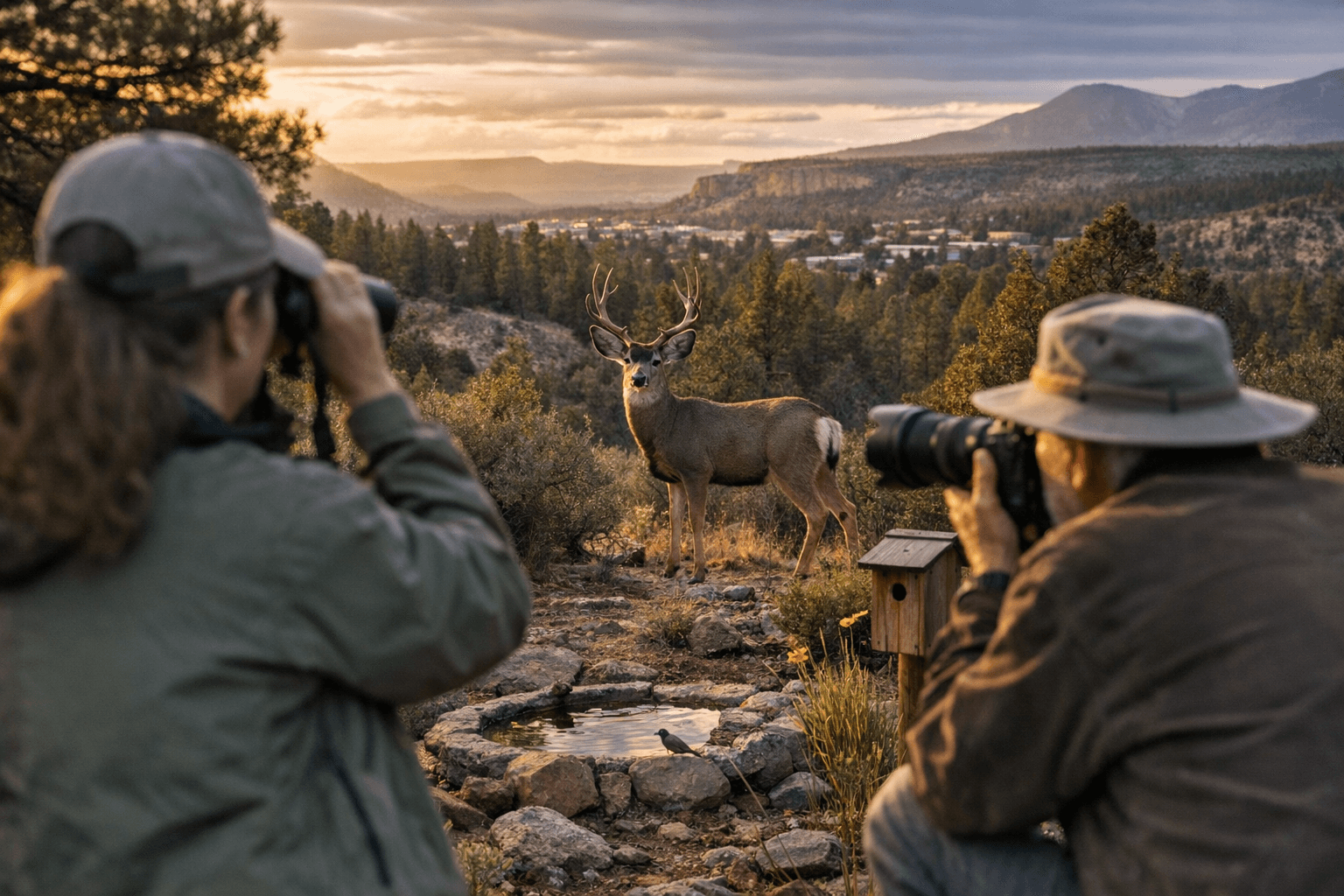
For local residents, the designation is more than symbolic. Community certification creates a framework for neighborhood-level habitat improvements that can be replicated on private property and in institutional landscapes such as schools and parks. Homeowners who certify their yards contribute to contiguous habitat patches that benefit pollinators and other native species; they also gain access to technical resources and best-practice guidelines through the National Wildlife Federation and the Pajarito Environmental Education Center. Officials and civic groups can use the certification as a basis for aligning landscaping policies and public outreach with biodiversity and conservation goals.
The certification effort has relied on community science and education programs to document outcomes and broaden participation. School-based projects and volunteer-led native plantings have both strengthened habitat connectivity on the plateau and created hands-on learning opportunities. That active civic engagement has implications for local governance: sustained volunteer capacity and documented habitat benefits can influence county planning decisions, school district landscape policies, and priorities for conservation funding.
Residents interested in taking part can pursue individual yard certification or join PEEC programs that organize native plant workshops, volunteer planting days and community science initiatives. PEEC also offers membership options that support its ongoing programs and expand opportunities to volunteer and access educational resources. For more information on certification criteria, how to certify a yard, and available workshops and membership, residents should consult the National Wildlife Federation and PEEC websites.
The community’s 11-year certification highlights a continuing local commitment to habitat stewardship and provides a practical path for residents and institutions to advance biodiversity and conservation goals across the Pajarito Plateau.
This article was produced by Prism’s automated news system from verified source data, official records, and press releases, then run through automated quality and moderation checks before publishing. The system is built and supervised by the people who set the standards it runs under. Read our full AI policy.
Did this article answer your question?